Who Is Ibrahim Traore? Know About Burkina Faso’s President, Beauty Pageant Ban And HAKILI Mousso Science Competition
Burkina Faso has suspended beauty pageants and introduced HAKILI Mousso, a science competition for young women. Learn about President Ibrahim Traore, his leadership and these initiatives.
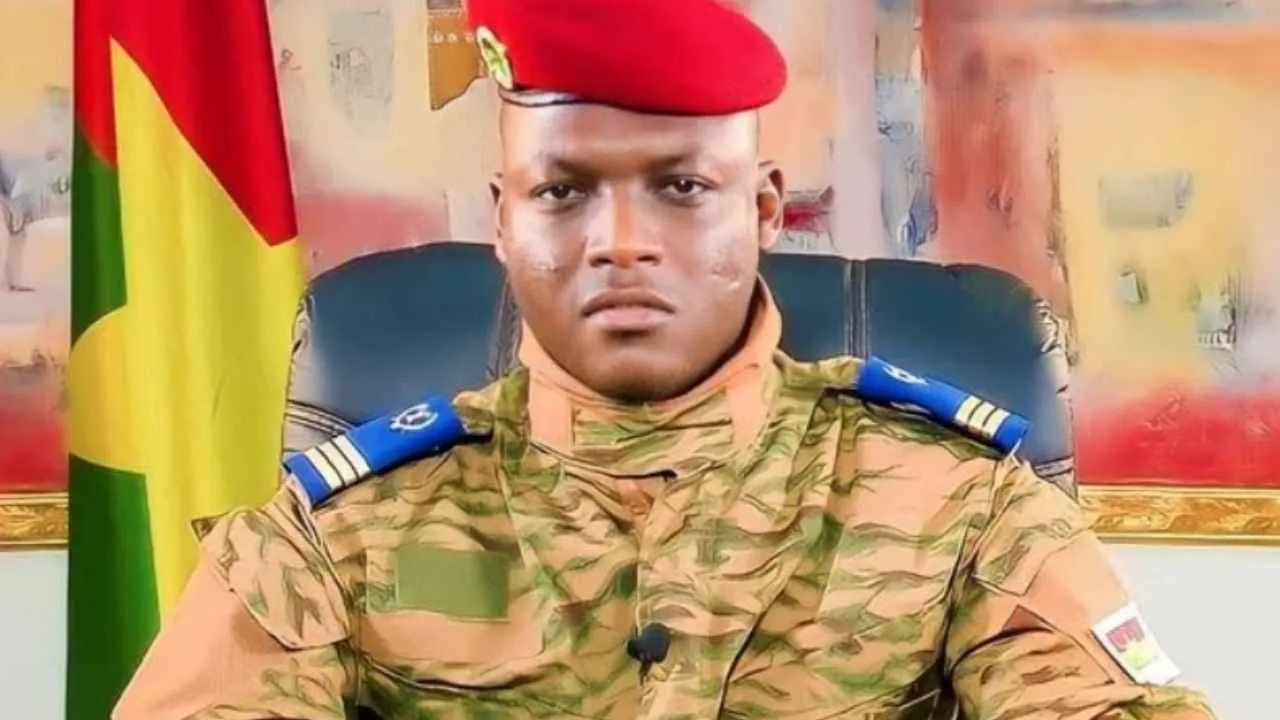
A unique incident from Burkina Faso has attracted widespread attention for suspending beauty competitions nationwide. It also introduced HAKILI Mousso, a science competition for young women.
Burkina Faso, a landlocked country in West Africa whose name means “Land of Incorruptible People”, has caught global attention with this step. So, beauty pageants are out, while science takes centre stage.
Although this big move has sparked global debate over the mindset, it has definitely put President Ibrahim Traore in the spotlight, raising questions about culture, education and women’s choices.
The competition brought together 84 young women to test their knowledge of mathematics, physics and chemistry, with top performers receiving prizes and scholarships.
But can promoting science also leave room for personal choice?
Who Is Ibrahim Traore?
So, from studying rocks to leading a nation, Captain Ibrahim Traore’s journey took an unusual turn. Traore was born on March 14, 1988, and after growing up, he studied geology at the University of Ouagadougou before joining Burkina Faso’s military in 2009.
After that, in September 2022, he led a coup that removed then-interim president Paul-Henri Sandaogo Damiba and brought him to power.
Ever since then, Traore has promoted national sovereignty, economic independence and greater control over domestic resources.
His leadership remains controversial even now, with continuing security challenges and criticism over restrictions on political freedoms shaping discussions about his rule.
Ibrahim Traore’s Key Reforms and Initiatives in Burkina Faso
| Sector | Major Reforms and Initiatives |
| National Development | Introduced the reported 2026–2030 Relance Plan, a $64 billion development framework focused on national self-reliance. |
| Gold and Natural Resources | Pursued greater state control over gold mining and domestic mineral processing. Reports also describe the launch of Raffinor-BF, a national gold refinery. |
| Fiscal Policy | Promoted domestic resource mobilisation and a reduced reliance on foreign financing. Claims about debt repayments and salary changes require independent verification. |
| Industrialisation | Supported local tomato processing and cotton textile production to encourage domestic manufacturing. |
| Air Transport | Reportedly supported Air Burkina’s revival, including plans involving aircraft and lower domestic fares. |
| Energy | Promoted solar power and expanded electricity-generation capacity, with a stated long-term target of more than 2,500 megawatts by 2030. |
| Agriculture | Distributed agricultural equipment, including tractors, tillers and motorised pumps, to support farmers and mechanisation. |
| Food Security | Promoted improved seeds, fertilisers and higher agricultural output to strengthen domestic food production. |
| Education and Women in Science | Launched HAKILI Mousso, a science competition for young women, while suspending beauty pageants nationwide. |
| Healthcare | Reportedly expanded free healthcare initiatives for pregnant women and children under five, along with free dialysis services. |
| Language Policy | Changed French’s status from the official language to a working language, reflecting a broader emphasis on national identity. |
| Legal and Cultural Reforms | Reportedly replaced colonial-era court dress with traditional Burkinabè attire and renamed some public spaces. |
Why Has Burkina Faso Suspended Beauty Pageants?
- A nationwide suspension: In June 2026, Burkina Faso suspended beauty competitions while authorities worked on new rules for organising such events.
- Protecting cultural values: Officials said the move aims to safeguard the country’s cultural identity, social values and human dignity.
- Beauty versus choice: The decision has sparked debate over whether beauty contests should be regulated to protect cultural values or whether such restrictions limit women’s freedom to participate.
What happens next? The impact will depend on the new rules. The key question is whether Burkina Faso can promote its cultural values while allowing women to make their own choices.
What Is HAKILI Mousso?
The HAKILI Mousso is a national science competition launched in Burkina Faso in 2026. For the first time, it brought together 84 young women who tested their knowledge. These women were experts in mathematics, physics and chemistry.
The competition aimed to recognise their scientific abilities, with top performers receiving prizes and scholarships to support their education.
Can These Initiatives Create Lasting Change?
After Burkina Faso has created a debate-like atmosphere for everyone to think about it. HAKILI Mousso has provided young women with an opportunity to demonstrate their knowledge of mathematics, physics and chemistry.
Furthermore, the scholarships and prizes can support the winners’ education and encourage. This is not it; it will also encourage further study in science-related fields. However, long-term outcomes will depend on continued access to quality education, academic guidance and career opportunities.
On the other hand, the suspension of beauty pageants has raised questions about cultural regulations and individual choices. Burkina Faso’s approach brings education, cultural identity and women’s participation into the discussion.

Aishwarya Samant is a journalist with over 4 years of experience navigating the fast-paced corporate media landscape. She specializes in decoding business news, world economy, personal finance, and stock market trends, often adding a subtle touch of political perspective to keep things interesting.
Having worked with reputed organizations like ZEE, TV9, News24, and NewsX, she is no stranger to the newsroom hustle and the demands of real-time storytelling. Her writing style is fast-paced, engaging, and crafted to connect seamlessly with diverse audiences across platforms. She approaches every story from the reader’s point of view, breaking down complex topics into clear, relatable narratives backed by solid facts and credible sources. While she’s confident in expressing strong viewpoints, she ensures balance with insights. Sharp, fact-driven content that informs, engages, and keeps readers coming back for more.