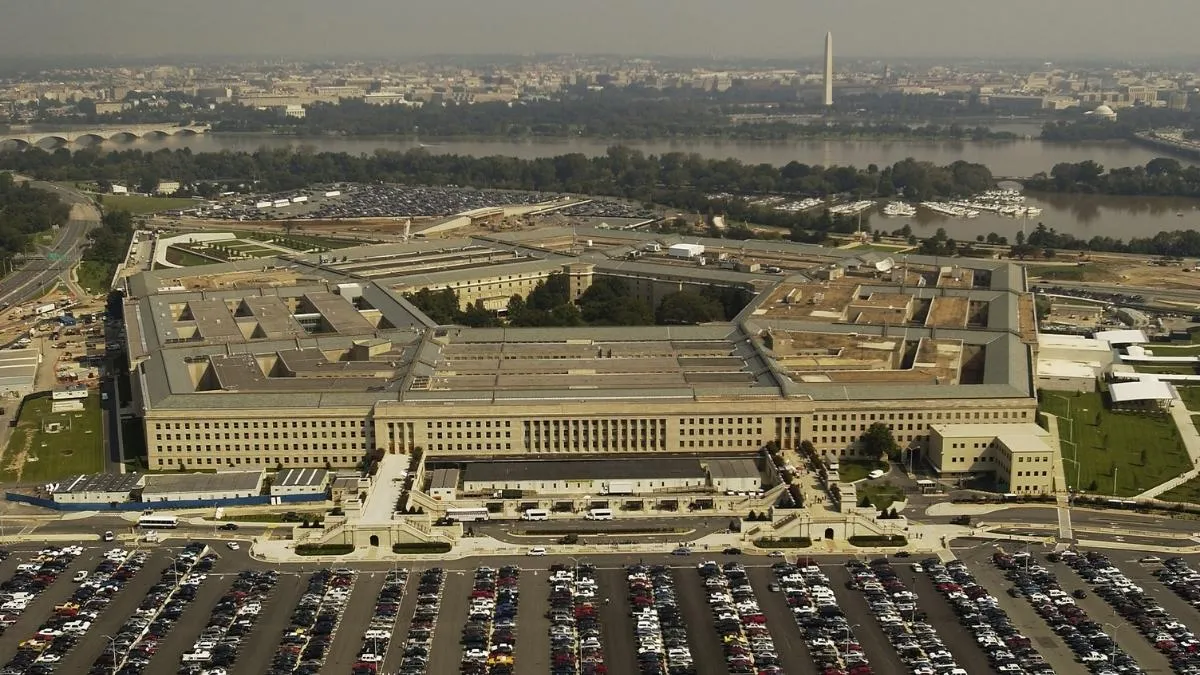
What are the New Pentagon Press Rules 2025? In 2025, the Pentagon enacted new press rules that changed how journalists cover the U.S. military. According to the Pentagon Press Association, approximately 100 reporters hold Pentagon passes annually. The new policy, a detailed 21-page document, restricts physical access inside the Pentagon and limits communication with military personnel.
Over 30 major news organizations rejected the new policy, with many journalists relinquishing Pentagon press credentials in protest. These rules come amid heightened focus on national security, with the U.S. defense budget nearing $1 trillion, underscoring the significance of transparent military reporting. Read on to understand the New Pentagon Press Rules 2025, how it affects the Journalists and what the earlier pentagon reporting policies.
What are the New Pentagon Press Rules 2025?
The 2025 Pentagon press rules set strict controls on reporters’ ability to access information and Pentagon areas, aiming to protect national security while sparking concerns about transparency. Key points include:
-
Journalists must acknowledge the 21-page policy outlining what information is off-limits.
-
Unauthorized solicitation and publication of classified or specific unclassified data are forbidden.
-
Reporters can lose credentials or be labeled security risks for violations.
-
Physical access within the Pentagon is significantly curtailed, reducing unscheduled interactions.
-
U.S. Military personnel need approval before sharing any information with the press.
| Feature | Earlier Rules | 2025 Rules |
| Policy Length | Brief | Detailed 21-page document |
| Access to Pentagon | Broad physical access | Strictly limited |
| Interaction with Personnel | Less restricted | Must gain approval |
| Reporting Limits | Focus on classified info only | Includes specific unclassified info |
| Penalties | Minimal | Credential loss, legal risks |
These rules mark a significant tightening compared to prior, less restrictive policies, altering Pentagon media dynamics.
How are Journalists Affected by the New Pentagon Rules?
Journalists face operational challenges under the new rules, affecting military news coverage:
-
More than 30 prominent news outlets, including Reuters and The New York Times, rejected the policy.
-
Approximately 40 to 50 journalists surrendered their Pentagon passes, vacating press workspaces.
-
Reporting risks include credential loss and potential legal consequences for unauthorized information.
-
Access limitations hinder independent newsgathering inside the Pentagon.
-
Journalists remain committed to military coverage, emphasizing public accountability despite restrictions.
Earlier Pentagon Reporting Rules Policy
Previously, Pentagon reporting rules were brief and less restrictive, allowing greater journalist freedom within press areas:
-
Journalists had broader physical access to Pentagon spaces.
-
Interactions with military personnel were less regulated.
-
Fewer reporting limitations existed regarding unclassified information.
-
The policy focused primarily on safeguarding classified data without extensive procedural controls.
-
These older guidelines supported more spontaneous and comprehensive military coverage.
Read Other U.S. Trending News and Stories here:
Diwali in US 2025: Which 3 States Now Recognize Diwali as a Holiday?
Difference between Fall and Autumn: What Do Americans Prefer?
Conclusion
The New Pentagon Press Rules 2025 significantly restrict journalists’ access and reporting capabilities within the Pentagon. These changes trigger media backlash and debates over press freedom versus national security. While the rules intend to safeguard sensitive information, they raise important concerns about government transparency and the public’s right to understand military affairs. Journalists and news outlets continue covering the Pentagon despite reduced access, emphasizing the importance of accountability.


-Check-Key-Rules!-1764676398567.jpg)

Comments
All Comments (0)
Join the conversation