

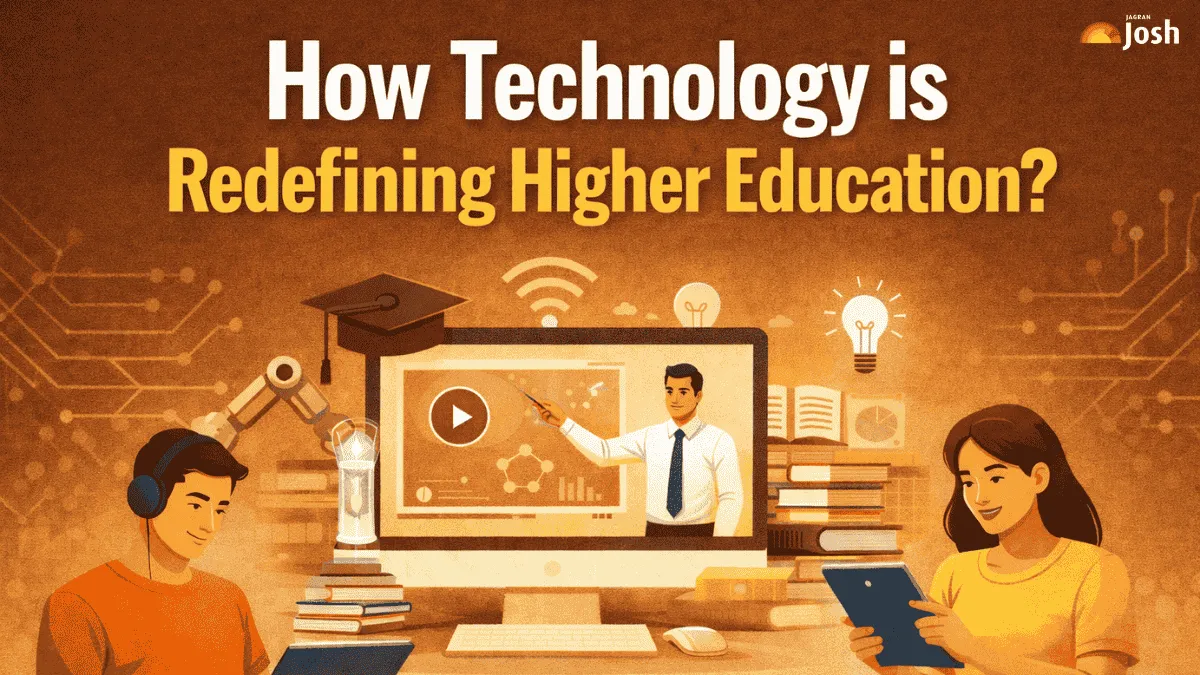
Higher education is changing fast. In the past, going to college meant sitting in a large room, listening to a teacher, and taking notes from a blackboard. Today, technology is making learning more exciting, personal, and easy to reach for everyone.
Also check: What Are the Best Cognitive Skills for a Sharper Memory?

1. Learning That Fits Each Student
In the past, every student in a class had to learn at the same speed. Now, Artificial Intelligence (AI) helps create a "personal tutor" for everyone.
- Smart Programs: If a student finds a math problem hard, the computer gives them extra practice and easier explanations. If they find it easy, the computer moves them to the next level.
- Your Own Pace: Students can pause videos, re-read digital books, and take quizzes whenever they feel ready.
2. "Being There" Without Traveling
New tools like Virtual Reality (VR) allow students to experience things that used to be impossible or too expensive.
- Virtual Field Trips: History students can explore ancient Rome as if they are really there. Science students can go inside a tiny human cell to see exactly how it works.
- Safe Practice: Medical students can practice surgeries on "digital patients" many times before they ever touch a real person. This makes learning much safer and more effective.
3. Classrooms Without Borders
Technology has broken down the walls of the university. You no longer have to live in a specific city to attend a good college.
- Hybrid Learning: Many colleges now offer a mix. Students can go to campus some days and join online from home on others. This helps people who have jobs or family responsibilities.
- Global Teams: A student in Delhi can work on a group project with a student in London or Tokyo using video calls and shared digital documents.
4. Skills Over Just Degrees
Technology is also changing what people learn. Because the world changes so fast, short courses called Micro-credentials are becoming popular.
- Instead of waiting four years for a degree, students can take a 3-month online course to learn a specific skill, like data coding or digital design.
- These certificates are often created with big companies, so they help students get jobs faster.
Key Differences
| Old Technology | New Technology |
| One speed for everyone | Learning that adapts to you |
| Only learning from books | Learning through 3D experiences (VR) |
| Must be in the classroom | Can learn from anywhere in the world |
| Only long degrees | Short, skill-focused certificates |
5. Helpful Robots and Data
Universities are using "Big Data" to help students succeed.
- Early Warning: Smart systems can spot when a student has low grades or misses classes. This lets the college offer help early so the student can succeed instead of failing.
- Quick Answers: AI chatbots can answer common questions about queries at any time, so students never have to wait.
Conclusion
Technology does not take the place of teachers. Instead, it gives them better ways to teach and gives students more ways to learn. Now, college is not just about getting a piece of paper, but about learning how to fix real-world problems with the best tools.
Also check: How Skill Based Careers are Challenging Degree Based Jobs?