

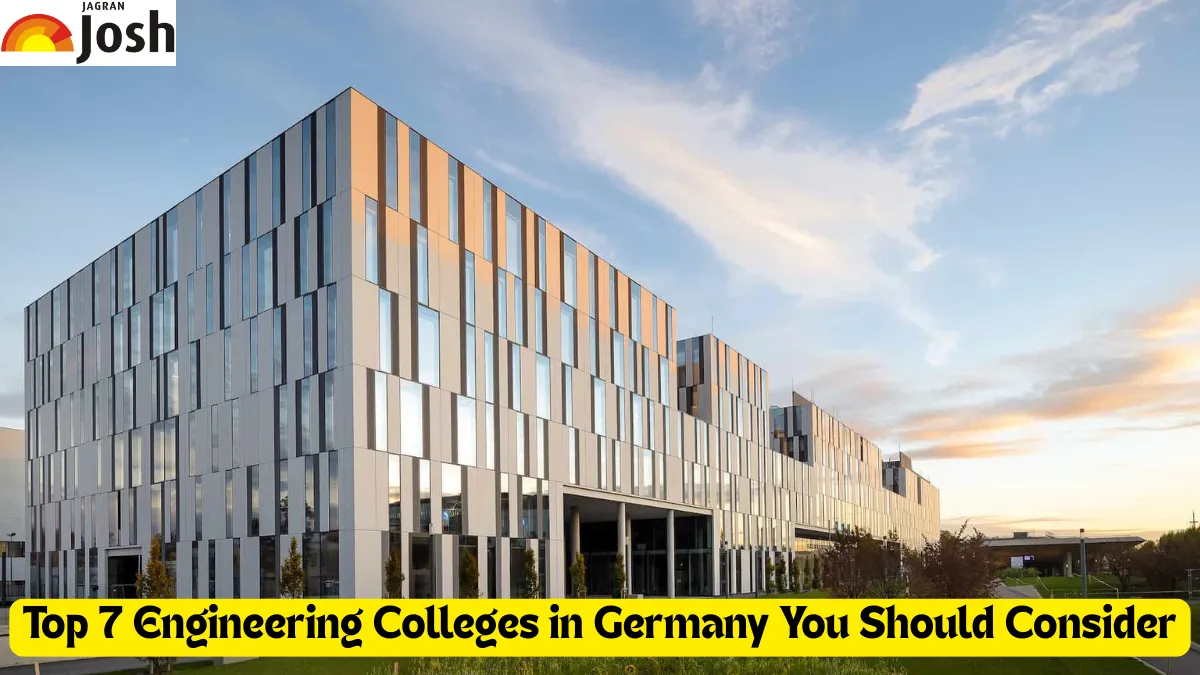
Engineering Colleges Germany: The TU9 alliance, which consists of the nine most prominent technical universities in the nation, is a major factor in Germany's status as a global engineering powerhouse. World-class research facilities, almost free tuition at most state universities, and direct connections to major corporations like Siemens, Bosch, and BMW are all provided by these institutions.
The Technical University of Munich (TUM) is still the clear leader according to the 2026 QS and THE World University Rankings. It is ranked #22 globally by QS and #27 by THE, making it the top university in the EU.
The Karlsruhe Institute of Technology (KIT) and RWTH Aachen University, both of which rank in the top 100 engineering schools worldwide, are not far behind. While RWTH Aachen is celebrated as Germany’s "Engineering Powerhouse" with a world rank of #35 in Technology, KIT has shown a strong upward trajectory, climbing to #48 in the QS Europe Rankings.
The Technical University of Berlin, which ranks in the top 50 for engineering courses, and TUD Dresden University of Technology, a pioneer in microelectronics, are two more crucial factors for 2026. The University of Stuttgart, renowned for its superior automobiles, and the Technical University of Darmstadt, a leader in cybersecurity and electrical engineering, complete the top seven.
International applicants must prepare their language scores (IELTS/TestDaF) and APS certifications in advance for admission to these extremely competitive universities. Germany is a top destination for aspiring engineers because of their unparalleled Return on Investment (ROI), which combines cheap semester payments (around €300) with beginning wages that frequently surpass €60,000.
List Of Top 7 Engineering Colleges in Germany
Germany is a pioneer in engineering education worldwide, providing a special blend of prestigious universities and incredibly affordable tuition. The TU9, an association of Germany's nine most prominent technical universities, is home to the majority of the country's best engineering schools. Based on industry repute and global rankings, these are the top 7 engineering colleges for the 2026 academic year.
| University | QS World Rank (2026) | THE World Rank (2026) | Fees (Non-EU Students) | Key Specializations |
| Technical University of Munich (TUM) | #22 | #27 | €2,000 – €6,000 | Robotics, AI, Aerospace |
| Karlsruhe Institute of Technology (KIT) | #98 | #166 | €1,500 | Energy, Sustainability, CS |
| RWTH Aachen University | #105 | #92 | Tuition-Free | Automotive, Mechanical |
| Technical University of Berlin (TU Berlin) | #145 | #160 | Tuition-Free | Space Tech, Civil Systems |
| TU Dresden (TUD) | #218 | #174 | Tuition-Free | Microelectronics, Nano-tech |
| Technical University of Darmstadt | #253 | #251-300 | Tuition-Free | Cybersecurity, Power Eng. |
| University of Stuttgart | #310 | #251-300 | €1,500 | Automotive, Aerospace |
Strategic Considerations for 2026
Selecting a prestigious engineering school in Germany for the 2026–2027 academic year requires knowing the unique academic and regional advantages of each school. Here are six important considerations to help you choose your choice, ranging from tuition-free instruction to direct industry connections:
-
Outstanding Return on Investment: While tuition is still free at the majority of public colleges, students must pay a Semester Contribution (€250–€350) to cover administrative expenses and receive a regional public transportation pass for daily travel.
-
Elite Research Funding: As "Universities of Excellence," institutions such as TUM, KIT, and TU Dresden are granted special federal funding that guarantees students access to the most cutting-edge labs in Europe.
-
Automotive Powerhouses: Selecting the University of Stuttgart gives students unparalleled access to international headquarters such as Mercedes-Benz and Porsche, as well as upscale internship opportunities and direct recruitment routes into the luxury automotive industry.
-
Bavarian Innovation Hub: TU Munich (TUM), located in the heart of Munich's "Silicon Gravel," provides enormous exposure to Siemens, BMW, and a thriving AI startup ecosystem, making it the perfect place for those interested in software and robotics.
-
Semiconductor Global Leader: TU Dresden is the best option if you want to focus on the chip manufacturing sector. It is located in the center of "Silicon Saxony," which is Europe's largest cluster for microelectronics and nanotechnology.
-
Strict Language Requirements: Bachelor's degrees normally need good German fluency (Level C1 via TestDaF or DSH), which is crucial for both academics and local industrial integration, even though Master's programs are increasingly taught in English.
Related Searches:
-
Which Institute Is Best For Marine Engineering In The World?
-
Which Government Engineering Colleges in Maharashtra Have High Placements?
To stay updated on current trends, join the Jagran Josh Telegram Community!