

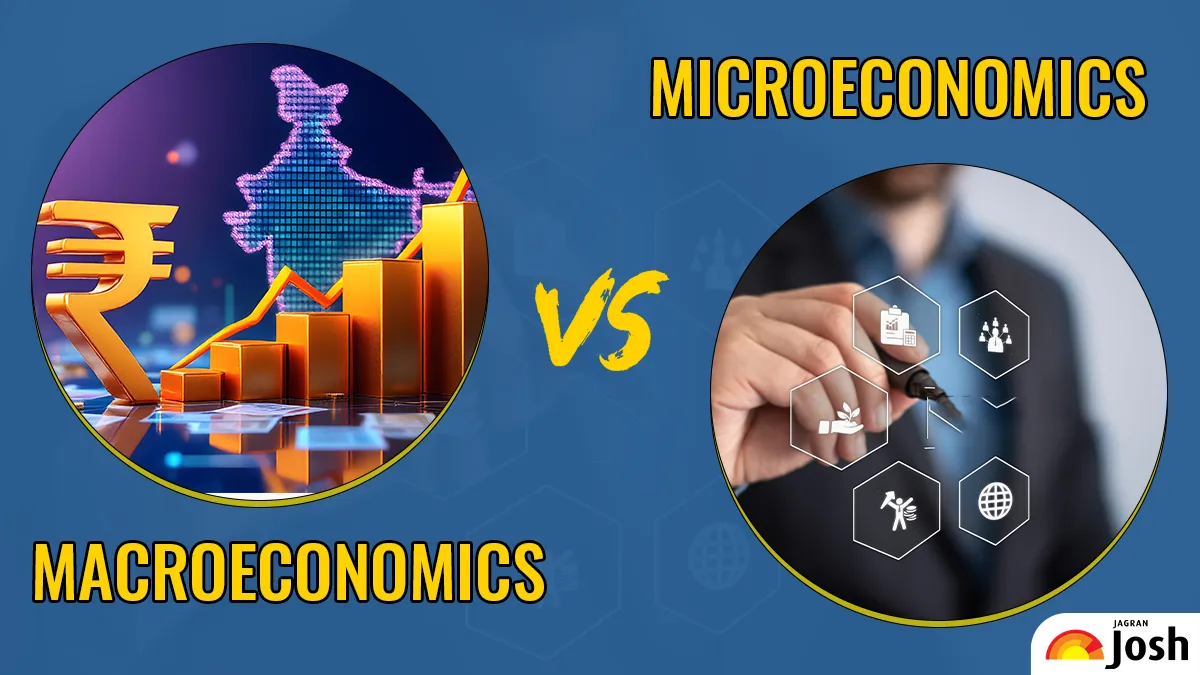
Economics is the study of how people make choices when things are limited. It's a huge field, but it can be easily broken down into two main areas. Think of it like looking at a city: you can look at the individual buildings, or you can look at the whole city map.
Also check: MBA Entrepreneurship vs Business Analytics: Which One Should You Choose?
Microeconomics
Microeconomics (the prefix "micro" means small) looks at the individual pieces of the economy. It's all about specific choices made by single players.
Who is studying Microeconomics?
-
Individuals: Why you chose to buy one brand of coffee over another.
-
Households: How a family decides whether to rent an apartment or buy a house.
-
Businesses/Firms: How one company (like a local bakery) decides how much bread to bake and what price to charge.
-
Specific Markets: The supply and demand for a single product, like smartphones or used cars.
What are the key questions in Microeconomics?
-
What determines the price of a single good?
-
How does a new tax affect one industry?
-
Should a company hire more workers?
-
How do people respond to changes in specific prices?
To understand how these individual choices affect the supply and demand for goods and services, and how resources are allocated in specific markets.
Macroeconomics
Macroeconomics (the prefix "macro" means large) looks at the economy as a whole. It’s the study of the entire forest, not just one tree.
Who is studying Macroeconomics?
-
The Nation: The total output and spending across an entire country.
-
Governments: How national policies affect the entire economy.
-
International Trade: The flow of goods and money between different countries.
What are the key questions in Macroeconomics?
-
What is the national unemployment rate?
-
How fast is the entire economy growing (measured by GDP)?
-
What causes inflation (when all prices rise)?
-
How do government policies (like setting interest rates) affect the country?
To understand the bigger trends and forces that affect millions of people and the stability of the entire economy.
The Difference Between
The easiest way to remember the difference is the scale of study:

Also check: Management vs Leadership: The Key Differences
Conclusion: Microeconomics and Macroeconomics work together. Think of them like two parts of one puzzle. All the small, individual choices (Micro) create the big total picture (Macro) for the entire country.