

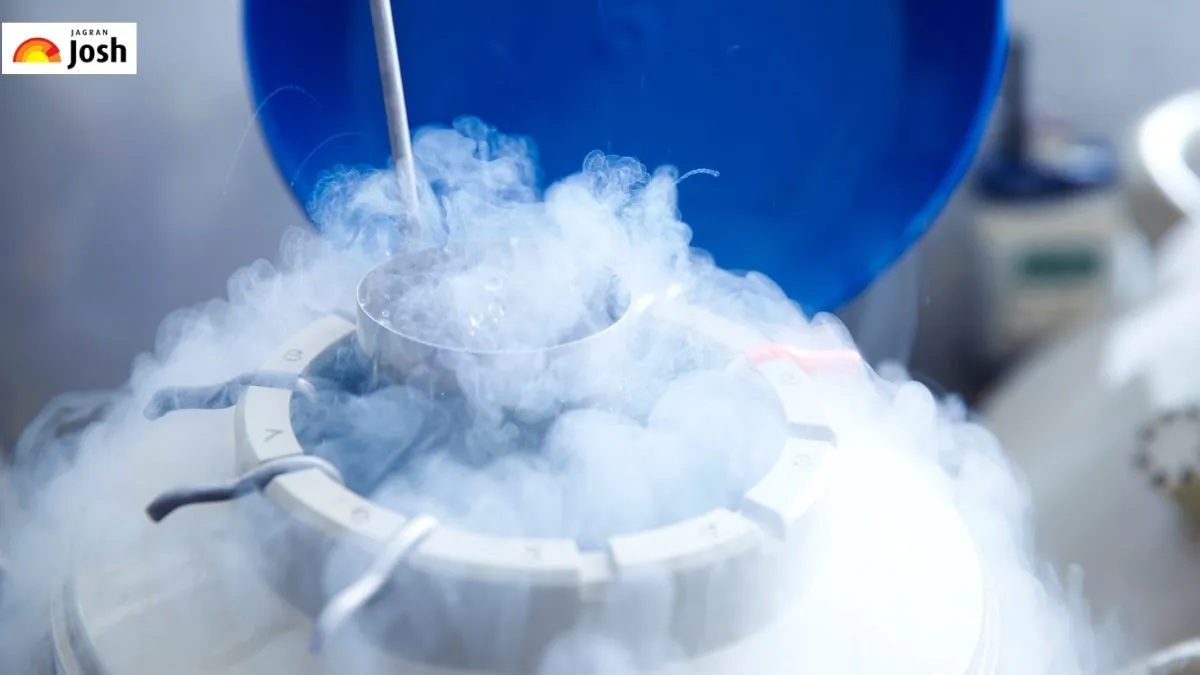
Certain engineering branches deal with different types of specialities, as civil engineering focuses on infrastructure, computer engineering focuses on computation, and mechanical engineering focuses on machinery. They are frequently identifiable.
But did you know there is a lesser-known engineering branch which is characterised by extreme operating conditions or temperature instead of an industry? This engineering branch is also known as the Deep Cold Engineering branch, as it deals with extremely low temperatures. This branch majorly focuses on the design, operation, and control of systems that operate at extremely low temperatures, usually below -150°C (123 Kelvin).
The engineering branch, which is known as Deep Cold Engineering, is Cryogenic Engineering.
The term cryogenic originates from the Greek words ‘very cold’ and ‘to produce’. This engineering branch includes the liquefaction of gases that are normally permanent at atmospheric conditions (such as hydrogen, helium, nitrogen, and oxygen).
What is Cryogenic Engineering?
To study the behaviour of materials and gases, including the liquefaction of gases like:-
-
Nitrogen
-
Helium
-
Hydrogen
-
Oxygen
And their application in fields like rocket propulsion, food preservation, medical imaging (MRI), superconductivity, and natural gas processing. Cryogenic engineering is a specialised engineering field that focuses on creating and using extremely low temperatures (usually below -150°C or 123K). These temperatures cause matter to behave in ways that defy accepted technical wisdom, like:-
-
Gases change into liquids that may power rockets or sustain life,
-
Electrical Resistance drastically decreases
-
Metals become brittle.
Given below are some of the key principles of the deep cold engineering, i.e., Cryogenic Engineering:-
|

Why is Cryogenic Engineering like a Hidden Discipline?
Cryogenic engineering is like a hidden discipline because the work in this specialisation mostly includes highly technical and niche applications that function behind the scenes of daily life, which are frequently performed in enclosed laboratories or industrial facilities.
Early in college or just after completing class 12th, the majority of students learn about mechanical, aerospace, computer science or civil engineering disciplines. However, cryogenic engineering comes into light much later, typically during research exposure or postgraduate courses. This happens because most colleges and institutes do not offer a stand-alone undergraduate degree. Given below are some of the reasons why cryogenic engineering feels like a hidden discipline:-
-
Extreme and specialised conditions
-
Extreme technical expertise is required
-
The Hidden profession nature
-
Pays attention to Niche sectors
-
Technology that is proprietary and protected
-
Facilities and Safety Procedures
Cryogenic engineering is also known as the Deep Cold Engineering, because it functions at the very centre of contemporary innovation, far from normal temperatures.
Related Searches:-