

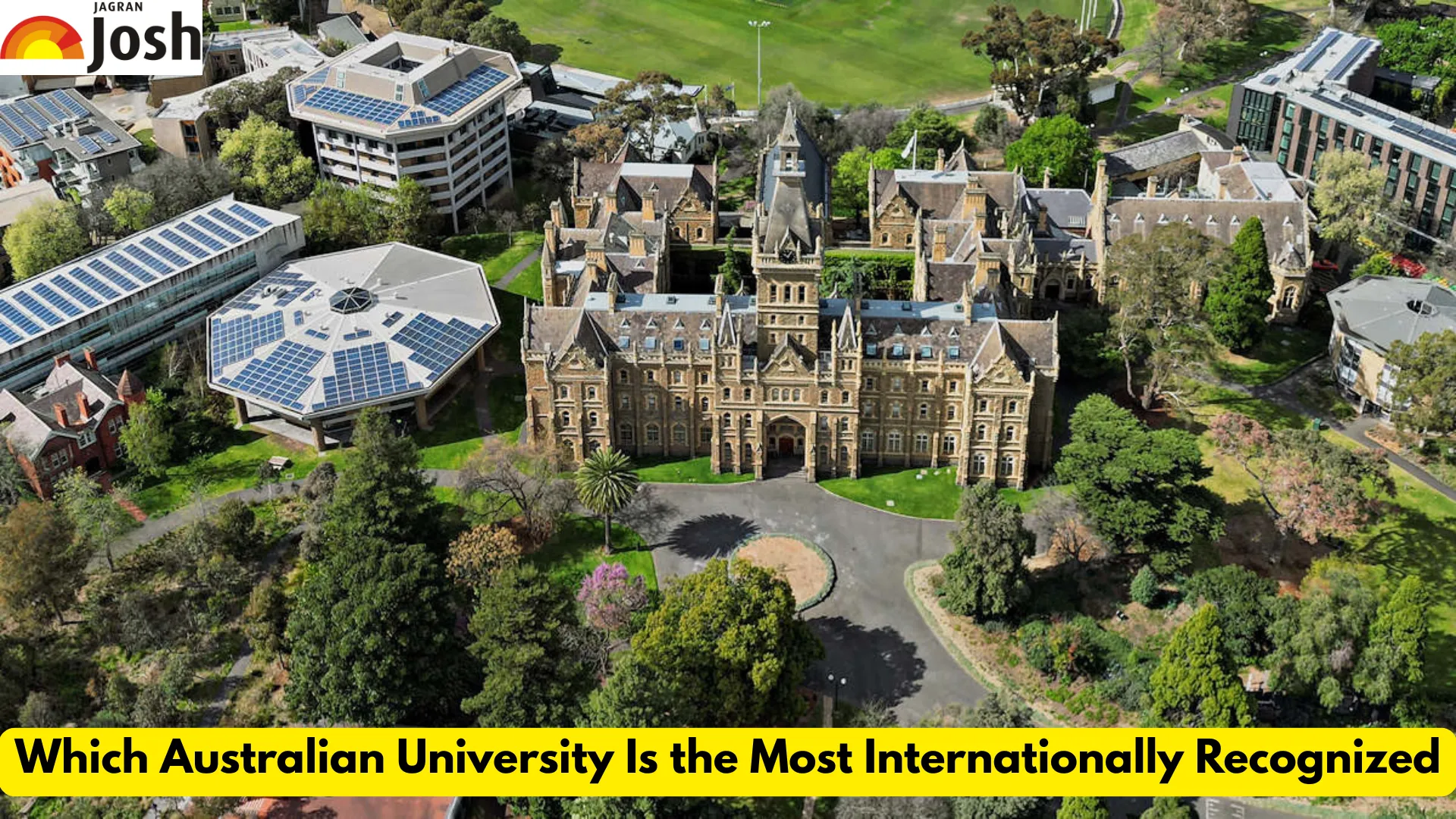
University of Melbourne: The University of Melbourne continuously maintains its status as Australia's most internationally renowned university, a reputation cemented by its regular top ranking in esteemed international rankings like Times Higher Education (THE) and QS. Its outstanding employer and academic reputation, which draws people and collaborations from all over the world, is another factor contributing to its worldwide renown, in addition to research productivity.
As a founding member of the Group of Eight (Go8), a coalition of Australia's top research-intensive universities, the University of Melbourne shares international attention with other well-known Go8 members. Among these is the University of Sydney, which is renowned for its extensive curricula and lively downtown campus; the University of New South Wales (UNSW), particularly strong in engineering and technology; and the Australian National University (ANU), which maintains a premier focus on national policy and scientific research.
The combined effectiveness of these establishments guarantees Australia's continued dominance in the highest levels of international higher education, establishing them as important locations for international students and research cooperation. Their ongoing success demonstrates the caliber and rigor of Australian academic research as well as their dedication to generating highly qualified graduates who are in high demand worldwide.
Key Indicators of International Recognition
-
Global Ranking Performance: Regularly ranking in the top tiers of significant international league tables, such as the THE World University Rankings and the QS World University Rankings.
-
Academic Reputation Score: A high score that indicates good perceived quality of research and teaching, obtained from surveys of thousands of academics worldwide.
-
Employer Reputation Score: A measure of how highly employers nationally and internationally value and seek out the university's graduates.
-
International academic Ratio: A noteworthy percentage of non-native academic members in comparison to domestic personnel, indicating achievement in drawing in talent from around the world.
-
International Student Enrollment: A sizable and varied student body from many nations, demonstrating the university's accessibility and popularity on a worldwide scale.
-
Research Collaboration Index: Strong international collaborations are indicated by the Research Collaboration Index, which measures the quantity and significance of articles co-authored with scholars from foreign universities.
Courses Offered By University of Melbourne
The "Melbourne Model," which stresses broad undergraduate degrees followed by specialized graduate studies, governs how the University of Melbourne functions. Before focusing in a particular subject, this framework gives students flexibility and a wide range of expertise. The University of Melbourne's primary study fields and courses are summarized in the following table:
| Study Level | Core Study Areas/Faculties | Example Undergraduate Degrees (Bachelors) | Example Graduate Degrees (Masters/Doctorates) |
| Undergraduate | Science & Health | * Bachelor of Science (BSc) | Master of Science, Master of Data Science, Doctor of Medicine (MD) |
| Undergraduate | Arts, Humanities & Social Sciences | * Bachelor of Arts (BA) | Master of Arts, Master of International Relations, Master of Psychology |
| Undergraduate | Business & Economics | * Bachelor of Commerce (BCom) | Master of Management, Master of Finance, Master of Business Administration (MBA) |
| Undergraduate | Engineering & Built Environment | * Bachelor of Design (BDes) | Master of Engineering (Civil, Chemical, Mechanical, etc.), Master of Architecture |
| Undergraduate | Music, Visual & Performing Arts | * Bachelor of Music (BMus) | Master of Music, Master of Fine Arts |
| Undergraduate | Biomedicine | * Bachelor of Biomedicine (BBiomed) | Master of Biomedical Science, Doctor of Dental Science (DDS) |
| Professional | Law | N/A (Undergraduate major possible in B.A./B.Com) | Juris Doctor (JD), Master of Laws (LLM) |
| Professional | Education | N/A (Undergraduate major possible in B.A./B.Sc) | Master of Teaching, Doctor of Education |
| Professional | Veterinary/Agriculture | * Bachelor of Agriculture | Doctor of Veterinary Medicine (DVM), Master of Agricultural Sciences |
Key Features of the Melbourne Model:
-
Breadth and Depth: Since undergraduate degrees are usually three years long, students can choose one or two majors from a wide range of courses, postponing professional specialization until graduate school.
-
Graduate Pathways: A number of undergraduate programs, such as the Bachelor of Science or Commerce, can lead to highly esteemed professional graduate degrees, such as the JD, MD, or specialized Master of Engineering.
Please Check:
-
Top IITs in QS Asia Rankings 2026 - Indian Engineering Institutes Ranking
-
Guide to FMS Delhi Application: Course Fees and Other Details
Also Read:
Top IIT Colleges That Offer Data Science Courses to Learn Online in 2025
Best Free AI Courses for Beginners in 2025
Best Pharmacy Colleges in India 2025 After 12th Offering High Job Placement
To stay updated on current trends, join the Jagran Josh Telegram Community!