

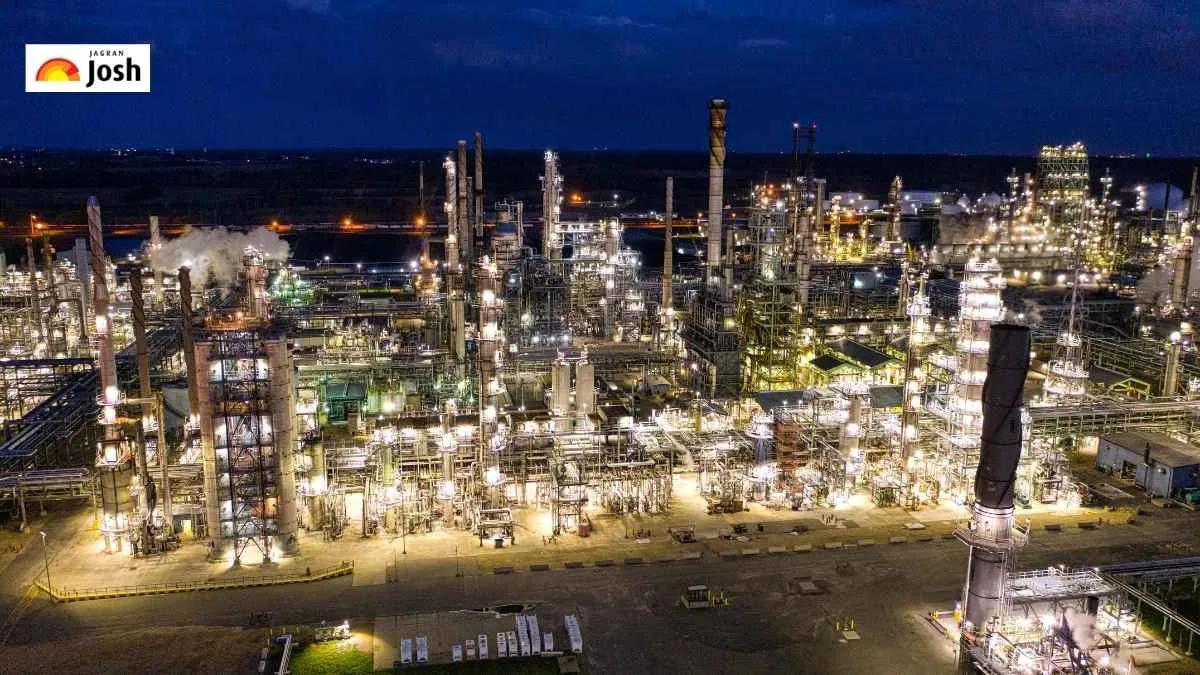
When any individual, be it a student or a working professional, imagines factories, a picture of electrical systems being managed by electrical engineers or machinery being created by mechanical engineers is formed. But factories are a complex system, which includes people, money, time, materials and decisions, rather than merely a collection of equipment.
This is where industrial engineering comes into play. This engineering branch views the whole plant as one connected system rather than concentrating on a single machine or part. This engineering branch also focuses on how factories and production systems operate as a whole, from raw materials flow to workers' productivity, quality assurance, cost reduction, etc. For this reason, it is commonly referred to as Factory Engineering.
What is Industrial Engineering?
Factory Engineering is a branch of engineering that is concerned with planning, optimising the entire process of creating things, and controlling, from machinery to system efficiency. It is principally manufacturing engineering or production engineering, which is frequently paired with Industrial Engineering.
These disciplines, which are closely associated with mechanical engineering, guarantee effective resource utilisation, superior quality, seamless factory operations and economical operations. By combining people, information, equipment, materials, and energy, industrial engineering (IE) aims to reduce waste (time, money, and resources) and increase productivity, quality, and efficiency in complex systems, organisations and processes.

Given below is the core focus of industrial engineering and the key disciplines which are involved in this branch:-
| Core Focus of Industrial Engineering | Key Disciplines of Industrial Engineering |
| Efficiency:- Efficiency in this branch refers to finding the optimum method to use resources. | Quality Engineering |
| Productivity:- Simplifying procedures to produce more with less input. | Operations Research and Analytics |
| Quality Assurance:- This term in this branch of engineering enhances the dependability and consistency of goods and services. | Manufacturing and Production Systems |
| Waste reduction:- This term in this branch of engineering refers to terms of time, energy, resources, and effort. | Ergonomics and Human Factors |
What are the Career Opportunities Available after Industrial Engineering?
Those students who graduate in the discipline of Industrial Engineering (IE), which is also called Factory Engineering, have a wide variety of career opportunities available in many different fields. Industrial engineers are invaluable experts in actual industrial settings because they possess a distinctive combination of administrative and technical skills.
An industrial engineer is a highly sought-after professional who drives efficiency, sustainability, and affordability in any organisation. Given below is a list of some of the career opportunities available once the student graduates from industrial engineering:-
| Industrial Engineer | Process Improvement Specialist or Engineer |
| Operations Research Analyst | Supply Chain Analyst or Engineer |
| Manufacturing or Production Engineering | Systems Engineer |
Because it controls how factories operate as whole systems, industrial engineering is known as Factory Engineering. Industrial engineers make sure factories run efficiently, competitively, and sustainably by combining engineering and management, efficiency and quality.
Related Searches:-