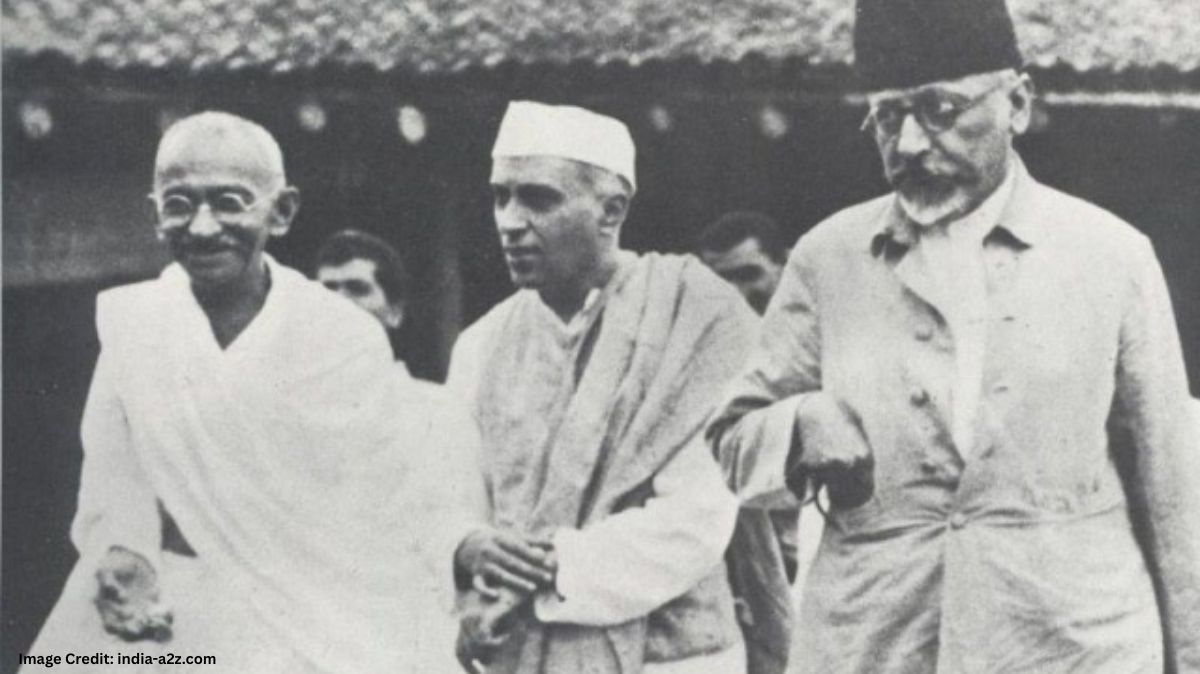
National Education Day is observed in India every year on November 11 to mark the birth anniversary of Maulana Abul Kalam Azad, the country’s first Education Minister. The day recognises his contribution to India’s education system and highlights the importance of providing quality education to all.
The occasion is dedicated to remembering Azad’s role in strengthening educational institutions and promoting scientific learning, higher education and literacy across the country.
National Education Day 2026: History and Background
The Ministry of Human Resource Development, now known as the Ministry of Education, announced on September 11, 2008, that November 11 would be observed as National Education Day every year. The first celebration took place on November 11, 2008.
The decision was taken to recognise Maulana Azad’s contribution to India’s education system and remember his efforts to make education accessible to people across the country. Since then, the day has been observed annually to highlight the role of education in national development.
Who Was Maulana Abul Kalam Azad?
Maulana Abul Kalam Azad was born on November 11, 1888. He was a freedom fighter, scholar, journalist and educationist who played an important role in India’s independence movement.
After Independence, he became the country’s first Education Minister and served from 1947 to 1958. During his tenure, he worked towards expanding educational opportunities, strengthening higher education and promoting scientific and technical learning.
He believed that education should be available to everyone, irrespective of their social or economic background. He also supported women’s education and emphasised the importance of modern science and knowledge in building a progressive nation.
Maulana Azad’s Contribution to India’s Education System
Maulana Azad played an important role in developing India’s higher education and research infrastructure. Some of the major institutions and organisations associated with his tenure and educational vision include:
- University Grants Commission (UGC): He supported the development of a strong higher education framework in the country.
- Indian Institutes of Technology (IITs): The first IIT, IIT Kharagpur, was established in 1951 during his tenure.
- All India Council for Technical Education (AICTE): He supported the development of technical education in India.
- Cultural institutions: He also contributed to the development of institutions such as the Sahitya Akademi, Sangeet Natak Akademi and Lalit Kala Akademi.
In recognition of his contribution to the country, Maulana Azad was posthumously awarded the Bharat Ratna in 1992.
Why Is National Education Day Important?
National Education Day highlights the importance of education in individual growth and the development of society. It also encourages schools, colleges and universities to focus on improving learning opportunities and making education more inclusive.
The occasion serves as a reminder of the need to strengthen school education, promote literacy, support girls’ education and provide students with access to quality learning facilities.
Educational institutions mark the day through activities such as seminars, debates, essay-writing competitions, discussions and awareness programmes. These activities help students understand the importance of education and learn about the contributions of leaders who helped shape India’s educational system.
National Education Day 2026 will once again honour Maulana Azad’s legacy and highlight the importance of equal educational opportunities for every student in the country.
ALSO READ| CLAT 2027 Mock Test Link Active at consortiumofnlus.ac.in; Check Direct Link, How to Attempt
ALSO READ| UP NEET 2026 Stray Vacancy Round: DGME Released 115 MBBS & BDS Seats Matrix, Check Merit List