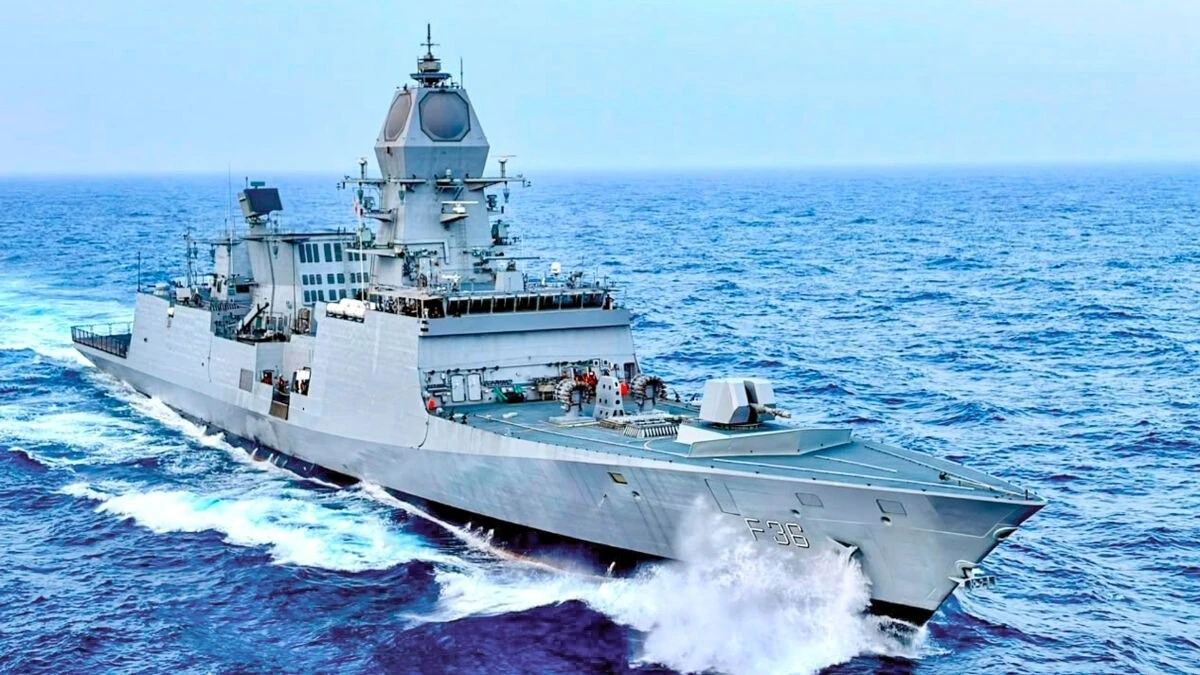
A naval collision between a Pakistan Navy vessel and an Indian Navy warship in the North Arabian Sea on September 15, has unleashed a fresh diplomatic exchange between India and Pakistan. India has lodged a powerful protest, alleging that the Pakistani vessel approached its warship at high speed and manoeuvred unsafely in international waters. Pakistan, however, has disputed India’s allegations. According to top Indian government sources quoted by various media reports, the Pakistani ship allegedly shadowed the Indian warship, ignored warnings and conducted a high-speed crossing directly in front of its bow.
What happened between the two naval vessels?
According to India's Ministry of External Affairs (MEA), PNS Hunain approached an Indian Navy warship that was conducting a routine surveillance mission in the North Arabian Sea. Indian sources said the Pakistani vessel was moving at high speed and manoeuvred in an unsafe manner, causing a minor collision.
The incident reportedly unfolded around 120 nautical miles from the Gulf of Oman, placing it outside the 12-nautical-mile territorial sea of a coastal state. The Indian vessel did not suffer massive damage and continued its operational mission. Reports said PNS Hunain later headed towards a Pakistani harbour after bearing damage.
The Indian warship in picture was a Kolkata-class destroyer.
What is the 1991 agreement?
India said the Pakistani vessel's involvement was in violation of Article 10 of the 1991 Agreement on Advance Notice on Military Exercises, Manoeuvres and Troops Movements.
The agreement requires naval vessels and submarines of the two countries to maintain a minimum separation of three nautical miles while operating in international waters, with the goal of preventing collisions of military movements.
It was inked to forge a mechanism for India and Pakistan to inform each other about military exercise or troop movements “in order to prevent any crisis situation arising due to misreading of the other side’s intentions.”
The agreement mentions a framework for the land, naval and air forces of both countries, specifying that while major military exercises close to each other’s territories should be avoided, if they are to take place, they should follow certain regulations.
How did India respond?
On September 16, the MEA summoned Pakistan's Chargé d'Affaires in New Delhi and showcased a strong protest, describing the conduct of Pakistani naval units as "unacceptable and unprofessional".
Meanwhile, Pakistan expressed a different account, alleging that the Indian vessel's manoeuvring was provocative and dangerous. The competing accounts mean that the precise sequence of manoeuvres leading to the collision remains disputed.
Pakistan’s foreign ministry also regarded it had formally regarded the charge d'affaires of the Indian High Commission in Islamabad to convey disapproval over “highly provocative and unacceptable action” by an Indian navy vessel.