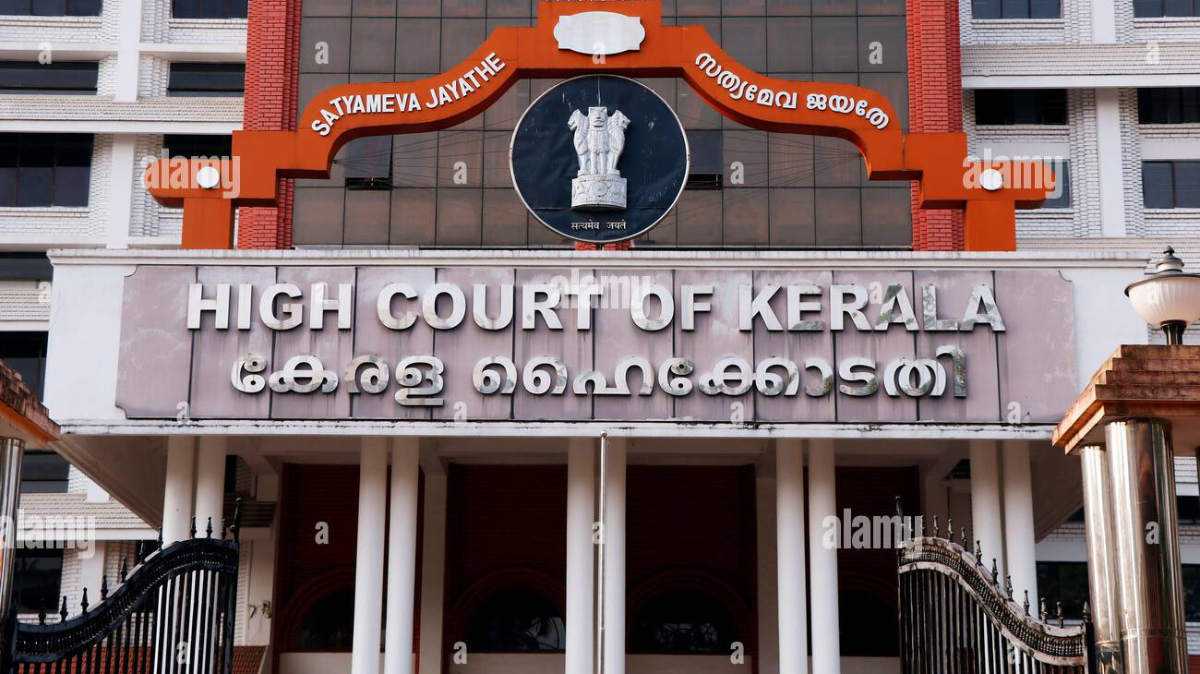
Several postgraduate medical doctors have been left without government postings despite being required to complete a one-year compulsory service bond. Hearing a petition filed by the affected PG doctors, the Kerala High Court observed that keeping trained doctors idle for months amounted to a “national waste.”
The Kerala High Court has directed the State government to take a decision within one month on whether additional Senior Resident posts should be created to accommodate the doctors or whether those unable to secure postings should be released from the compulsory service bond.
“If this situation is permitted to continue, naturally for the subsequent years also it will result in the post-graduate students sitting idle for months together without being given any posting, without having any stipend nor being able to work outside the Government service. I am of the view that this is a national waste since the post- graduate students are sitting idle without discharging any function, without providing any service to the public in Government or in a private sector,” the Court said.”
How Were Students Left Without Postings?
The petition was filed by postgraduate doctors from the Doctor of Medicine (MD) 2021 and 2022 batches. The Court was informed that their courses were completed around the same period following disruptions caused by the COVID-19 pandemic, after which they were required to fulfil the mandatory one-year government service.
However, several doctors were not assigned Senior Resident postings despite the bond requirement. The Court noted that there was a shortage of available Senior Resident vacancies, leaving doctors without the stipend attached to the post. Their original certificates were also being withheld until they completed the compulsory service.
Nearly 1,000 PG Doctors Against 600 Vacancies
The State government informed the Court that nearly 1,000 postgraduate doctors were being considered for compulsory service, while only around 600 Senior Resident vacancies were available.
The Directorate of Medical Education had subsequently submitted a proposal seeking the creation of additional supernumerary Senior Resident posts to address the shortage. The proposal was pending before the government.
The Court also considered the doctors’ challenge to the validity of the one-year compulsory service bond. Justice Viju Abraham rejected the challenge, relying on an earlier Kerala High Court Division Bench judgment in Dr Ayisha Beegam v State of Kerala, which upheld the requirement for postgraduate students to serve the State for one year.
However, the Court clarified that the bond period should not be calculated solely from the date on which a doctor receives a government posting.
Referring to the prospectus for the 2022-23 postgraduate admissions, the Court noted that Senior Residency was to be counted from the date of publication of the examination results, subject to successful completion of the course. It therefore held that the one-year bond period would be calculated from the result publication date, irrespective of when the doctor was actually posted.
The Court further noted that some doctors had remained without postings for almost eight months. During this period, they were not receiving the Senior Resident stipend and could not take up work elsewhere because their certificates would be released only after completion of the bond.
“Even when I uphold the condition that the post-graduate students who are studying in Government Medical Colleges are bound to execute a bond and are bound to serve the Government service as Senior Resident for a period of one year, this Court cannot ignore the situation that the post-graduate doctors, are forced to sit idle without doing any service either to the Government or in the public sector, which both cater to the interests of the general public. This cannot go unnoticed by the Government,” said Justice Abraham.
The Court directed the State government to take a decision on the proposal for additional supernumerary Senior Resident posts within one month of receiving a copy of the judgment.
It said the government must either create additional posts and accommodate the doctors so they can complete their bonded service or release them from the bond. The petitions were accordingly disposed of.