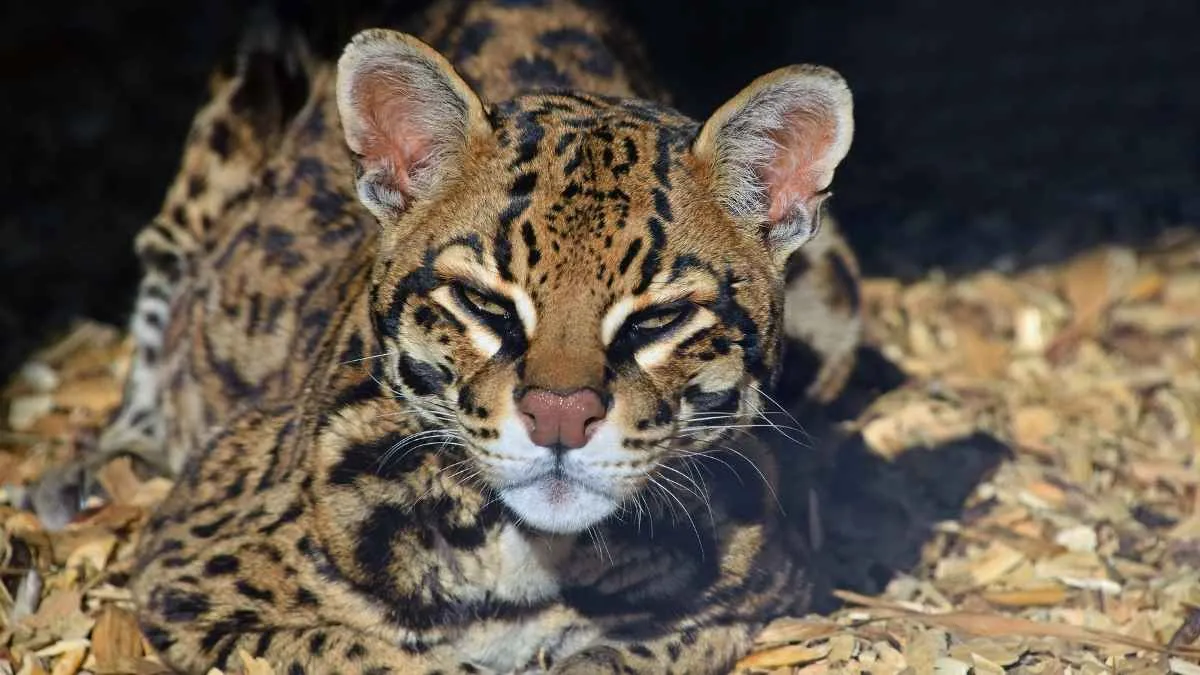
Leopardus tilcayo has been recognized as a newly discovered wild cat species by biologists from Bolivia's misty mountains. This scientific identification was featured in the journal Current Biology and has been celebrated as an important step in wildlife biology. This is because scientists have not made any official recognition of any new wild cat species in the past 100 years.
Conservation groups such as the IUCN Cat Specialist Group and educational platforms specify that there are 41 species of wild cats around the entire world.
"Describing a new cat species after more than 100 years shows how much we still have to learn about the biodiversity around us," noted study co-author Paola Nogales-Ascarrunz.
How Many Species of Wild Cat Exist in the World Today?
There are 41 distinct species of wild cats roaming the planet if we exclude the domestic cat (Felis catus) breeds.
Genomic studies divide all 41 species into eight evolutionary lineages that diverged from a common ancestor in Asia roughly 10 million years ago.
|
Lineage
|
Species Count
|
Key Representative Cat Species
|
Primary Global Habitats
|
|
Panthera Lineage
|
7
|
Lion,
Tiger,
Jaguar,
Leopards
|
Africa,
Asia,
Americas
|
|
Bay Cat Lineage
|
3
|
Asian Golden Cat,
Marbled Cat
|
Southeast Asia
|
|
Caracal Lineage
|
3
|
Caracal,
Serval,
African Golden Cat
|
Africa,
Middle East
|
|
Ocelot Lineage
|
8
|
Ocelot,
Margay,
Leopardus tilcayo
|
Central and South America
|
|
Lynx Lineage
|
4
|
Eurasian Lynx,
Bobcat
|
North America,
Europe,
Asia
|
|
Puma Lineage
|
3
|
Cougar,
Cheetah,
Jaguarundi
|
Americas,
Sub-Saharan Africa
|
|
Leopard Cat Lineage
|
6
|
Pallas's Cat,
Fishing Cat
|
Asia
|
|
Domestic Cat Lineage
|
7
|
Sand Cat,
Black-Footed Cat,
Wildcats
|
Africa,
Eurasia
|
What to Know about a New Wild Cat Species Discovery?
The history of discovering Leopardus tilcayo started a little earlier when someone who lived nearby rescued an orphaned kitten near Arapata, Bolivia. Assuming that it was an ordinary cat, he brought it home and was feeding with common food – rice and eggs.
Then in 2017, this cat was transferred to the Senda Verde Wildlife Sanctuary where biologists understood that there was something odd.
This cat was very small compared to a domestic one – it weighed no more than 4.4 pounds and had big open spots and exceptionally long whiskers due to its mountainous and arboreal habitat.
It was the genetic research of geneticist Jonas Lescroart that proved the separation of this cat from other tiger cats around 1.4 million years ago. Even though it was unknown to science before, this elusive cat is familiar to the natives of Bolivia as Tilcayo.
Where to Find the Wild Cat Species?
You can find the above-mentioned group of cat breeds in the following countries or regions around the world.
1. Big Cats (Panthera Group)
-
Tiger (Panthera tigris): Asia, mainly in India and eastern Russia.
Lion (Panthera leo): Sub-Saharan Africa and India's Gir Forest.
Jaguar (Panthera onca): Central and South America, mostly in the Amazon and Pantanal.
Leopard (Panthera pardus): Africa, the Middle East, and Asia.
Snow Leopard (Panthera uncia): High mountains of Central Asia and the Himalayas.
Clouded Leopard (Neofelis nebulosa): Dense forests in Southeast Asia and China.
Sunda Clouded Leopard (Neofelis diardi): Only on the islands of Borneo and Sumatra.
2. Neotropical Small Cats (Ocelot Group)
-
Cloud Forest Tiger Cat (Leopardus tilcayo): High cloud forests in Bolivia (The Newly Identified Species).
-
Ocelot (Leopardus pardalis): Brush and forests from Texas down to South America.
-
Margay (Leopardus wiedii): Tree-dwelling hunter in rainforests from Mexico to Argentina.
-
Northern Tiger Cat (Leopardus tigrinus): Central and northern South American mountains.
-
Southern Tiger Cat (Leopardus guttulus): Forests in Brazil, Argentina, and Paraguay.
-
Andean Mountain Cat (Leopardus jacobita): High, rocky areas of the Andes mountains.
-
Geoffroy's Cat (Leopardus geoffroyi): Scrublands and plains in southern South America.
-
Kodkod / Guiña (Leopardus guigna): Forests in southern Chile and Argentina.
3. Lynxes and Bobcats (Lynx Group)
-
Eurasian Lynx (Lynx lynx): Northern forests across Europe and Siberia.
-
Iberian Lynx (Lynx pardinus): Scrublands in Spain and Portugal.
-
Canada Lynx (Lynx canadensis): Northern forests in Canada and Alaska.
-
Bobcat (Lynx rufus): Across North America, from Canada to Mexico.
4. Puma Group
-
Puma / Cougar (Puma concolor): Wide range from Canada's Yukon all the way to southern Chile.
-
Cheetah (Acinonyx jubatus): Open grasslands in Africa and a tiny population in Iran.
-
Jaguarundi (Herpailurus yagouaroundi): Lowland forests and bushes from Mexico to Argentina.
5. Caracal Group
-
Caracal (Caracal caracal): Dry regions and savannas in Africa and Southwest Asia.
-
Serval (Leptailurus serval): Grasslands and wetlands across Sub-Saharan Africa.
-
African Golden Cat (Caracal aurata): Central African rainforests.
6. Leopard Cat Group
-
Mainland Leopard Cat (Prionailurus bengalensis): Forests and fields across South and East Asia.
-
Sunda Leopard Cat (Prionailurus javanensis): Islands of Indonesia and the Philippines.
-
Fishing Cat (Prionailurus viverrinus): Swamps and wetlands in South and Southeast Asia.
-
Flat-Headed Cat (Prionailurus planiceps): Lowland river woods in Sumatra, Borneo, and Malaysia.
-
Rusty-Spotted Cat (Prionailurus rubiginosus): Forests and scrub in India, Sri Lanka, and Nepal.
-
Pallas's Cat / Manul (Otocolobus manul): Cold, rocky grasslands of Central Asia.
7. Bay Cat Group
-
Bornean Bay Cat (Catopuma badia): Rare feline found only in Borneo's thick forests.
-
Asian Golden Cat (Catopuma temminckii): Tropical forests in Southeast Asia.
-
Marbled Cat (Pardofelis marmorata): Tree-rich forests from the Himalayas to Southeast Asia.
8. Wild Relatives of House Cats
-
European Wildcat (Felis silvestris): Forests across Western and Eastern Europe.
-
Afro-Asiatic Wildcat (Felis lybica): Deserts and plains across Africa and the Middle East.
-
Sand Cat (Felis margarita): Harsh deserts in North Africa, Arabia, and Central Asia.
-
Black-Footed Cat (Felis nigripes): Dry grasslands in South Africa and Namibia.
-
Jungle Cat (Felis chaus): Swamps and river valleys from Egypt to Southeast Asia.
-
Chinese Mountain Cat (Felis bieti): High grassland plains of the Tibetan Plateau.
By knowing where these 41 cat species are found, we can help protect their ecosystems. These include high altitude cats from the Andes Mountains to river-based cats in Southeast Asia, all of which need their habitats protected to ensure their survival.