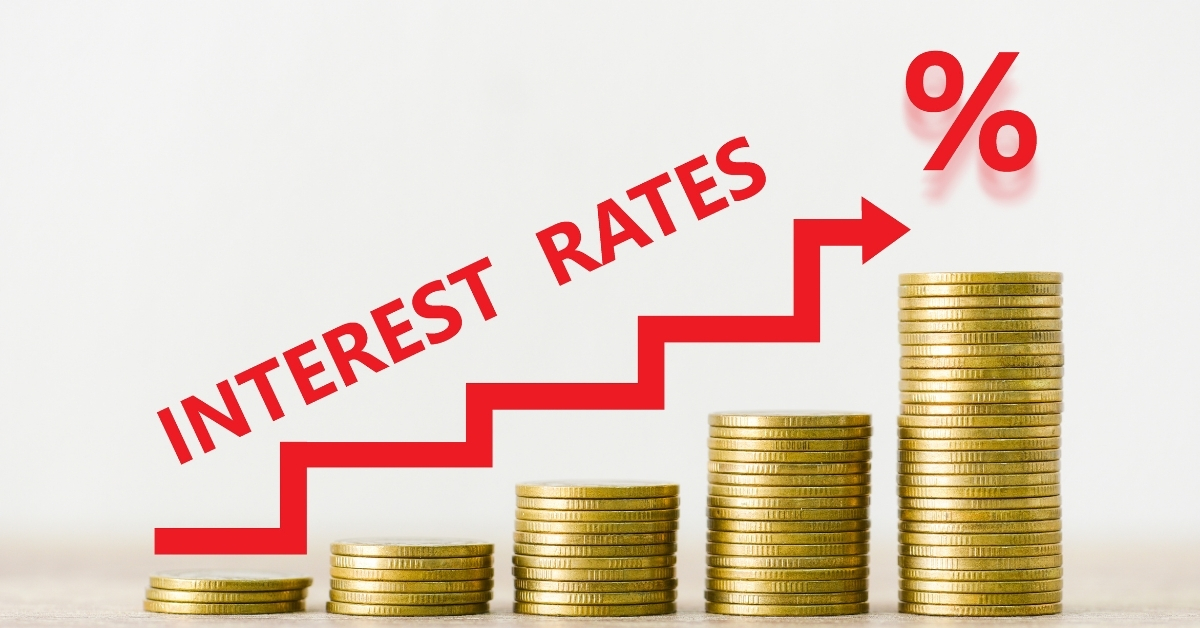
Interest rates are among the most important indicators of economic growth because they influence borrowing costs, inflation, investments and countries economic growth. Every country’s central bank sets a benchmark policy interest rate to manage inflation and maintain financial stability.
In some countries have high interest rates to fight inflation, currency depreciation and economic instability but some countries have low interest rates to encourage growth. In 2026, many countries are facing persistent inflation and financial challenges.
The list of countries with the highest policy interest rates. These rates affect businesses, consumers and foreign investors.
Top 10 Countries with the Highest Interest Rates in 2026
|
S. No
|
Countries
|
Interest Rate
|
|
1
|
Venezuela
|
59.12%
|
|
2
|
Turkey
|
37%
|
|
3
|
Zimbabwe
|
30%
|
|
4
|
Argentina
|
29%
|
|
5
|
Yemen
|
27%
|
|
6
|
Nigeria
|
26.5%
|
|
7
|
Egypt
|
19%
|
|
8
|
Kazakhstan
|
17%
|
|
9
|
Ukraine
|
15.5%
|
|
10
|
Barazil
|
14.25%
|
What is an Interest Rate and why is it important?
A central bank's policy interest rate determines the cost at which commercial banks borrow money. Higher interest rates mean loans are more expensive. Banks increase interest rates to help control inflation and stabilize their economies and protect value of their currencies.
On the other hand, Banks reduce interest rates to encourage borrowing, spending and economic growth.
Why do these countries have high interest rates?
Countries like Zimbabwe, Turkey and Argentina are facing continuous inflation. Central banks promote higher interest rates to keep borrowing costs high. Many factors that contribute to high policy interest rates:
-
Rising inflation that reduces purchasing power.
Weak domestic currencies requiring monetary tightening.
Political and economic instability.
Large fiscal deficits and public debt.
Measures to attract foreign capital and stabilize exchange rates.
Where does India stand?
India’s interest rate is set by the Monetary Policy Committee of the Reserve Bank of India (RBI). RBI compares its interest rate with many emerging economies. India has maintained a balanced interest rate aimed at controlling inflation to support economic growth.
As of 2026, India's Repo Rate stands at 5.250% where Standing Deposit Facility (SDF) is 5.0% and Marginal Standing Facility (MSF) rate is 5.50% which is lower than the countries listed above.
The RBI has adopted a calibrated approach, balancing inflation management with the need to sustain investment, employment, and economic expansion.
India has moderate interest rates reflects many factors such as
-
Stable inflation compared with several emerging economies.
-
Stronger macroeconomic fundamentals.
-
Healthy foreign exchange reserves.
-
Steady GDP growth.
-
A well-regulated banking system like the Reserve Bank of India and the State Bank of India
How do high interest rates affect people?
Higher interest rates have many impacts like Home, vehicle and personal loans becoming more expensive. Businesses face higher borrowing costs. Consumer spending slows down. Savings accounts and fixed deposits may offer higher returns. Inflation gradually comes under control if a country's monetary policy remains effective.