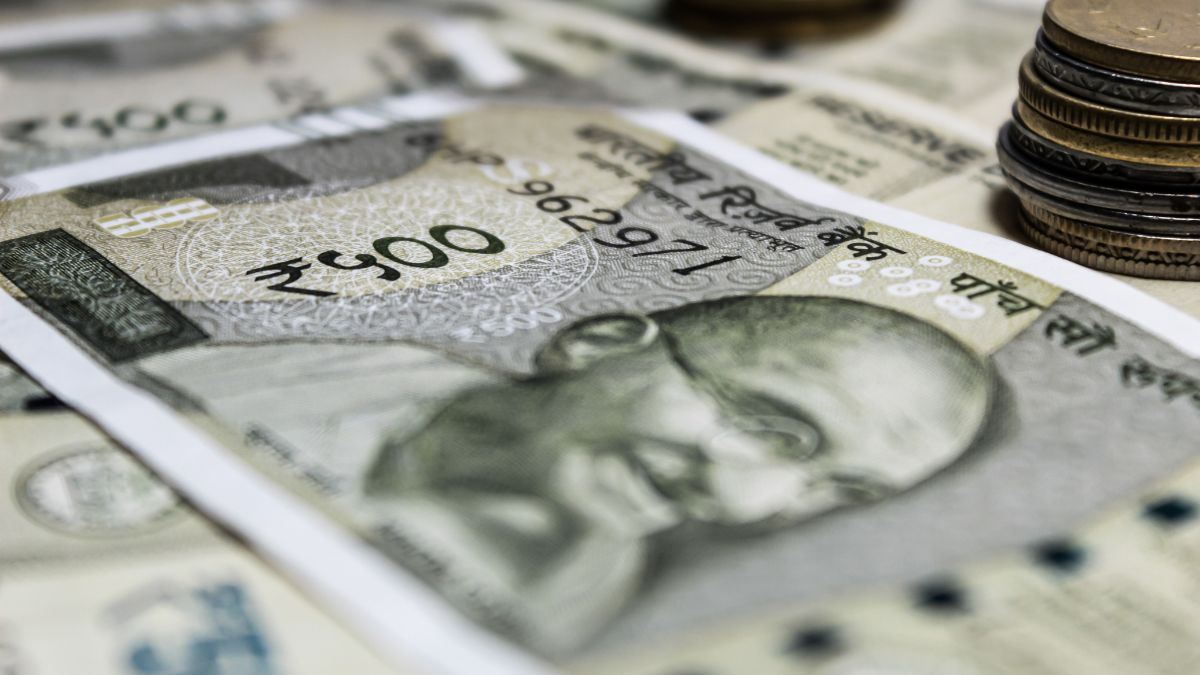
Inflation and deflation are two important economic concepts that can affect the prices of goods and services. While inflation refers to rising prices, deflation means falling prices. The Reserve Bank of India (RBI) uses monetary policy to keep inflation under control, prevent deflation and maintain economic stability.
What Is Inflation?
Inflation is the general increase in the prices of goods and services over time. When inflation rises everyday items become more expensive. The purchasing power of money decreases. People can buy fewer goods with the same amount of money. Moderate inflation is considered healthy for economic growth.
Example
If a litre of milk costs ₹60 today and ₹66 next year, inflation has increased the price by ₹6.
What Is Deflation?
Deflation is the general decline in the prices of goods and services over time. When deflation occurs prices of products fall. Consumers may delay purchases, expecting lower prices. Businesses may earn lower profits. Companies may reduce production and jobs. Prolonged deflation can slow economic growth.
Example
If a television costs ₹30,000 today and ₹27,000 after a few months, it is an example of deflation.
Inflation vs Deflation
| Feature | Inflation | Deflation |
| Meaning | Rise in prices | Fall in prices |
| Value of Money | Decreases | Increases |
| Consumer Spending | May reduce if prices rise too much | Often decreases as people wait for lower prices |
| Business Impact | Higher costs and revenues | Lower sales and profits |
| Economic Impact | High inflation can hurt the economy | Long-term deflation can slow economic growth |
What Is Monetary Policy?
Monetary policy refers to the steps taken by the Reserve Bank of India (RBI) to manage the supply of money and the cost of borrowing in the economy. Its main objectives are control inflation, support economic growth, maintain price stability, ensure adequate liquidity and promote financial stability.
How Does Monetary Policy Control Inflation?
When inflation becomes too high, the RBI adopts a tight monetary policy. The RBI may increase the repo rate, make loans more expensive, reduce money supply in the economy and encourage people to save rather than spend.
How Does Monetary Policy Fight Deflation?
When the economy faces deflation, the RBI follows an expansionary monetary policy. The RBI may refuce the repo rate, make loans cheaper, increase money supply, encourage spending and investment and support businesses and economic activity.
Monetary Policy Tools Used by the RBI
The RBI uses several tools to manage inflation and deflation.
Repo Rate
The interest rate at which the RBI lends money to commercial banks. Higher repo rate helps reduce inflation. Lower repo rate encourages borrowing during slow economic conditions.
Reverse Repo Rate
The rate at which the RBI borrows money from banks. It helps manage liquidity in the banking system.
Cash Reserve Ratio (CRR)
The percentage of deposits banks must keep with the RBI. With a higher CRR reduces money available for lending. A lower CRR increases liquidity.