Are Baking Soda, Cooking Soda, Soda Powder And Baking Powder The Same Or Different?
Ever wondered if baking soda, cooking soda, and soda powder are the same? Here’s the good news — they are! All three are just different names for sodium bicarbonate, the white powder that helps make cakes rise and idlis soft. But don’t confuse it with baking powder, which is a different mix that includes its own acid. Understanding the difference between these ingredients can seriously level up your baking and cooking game.
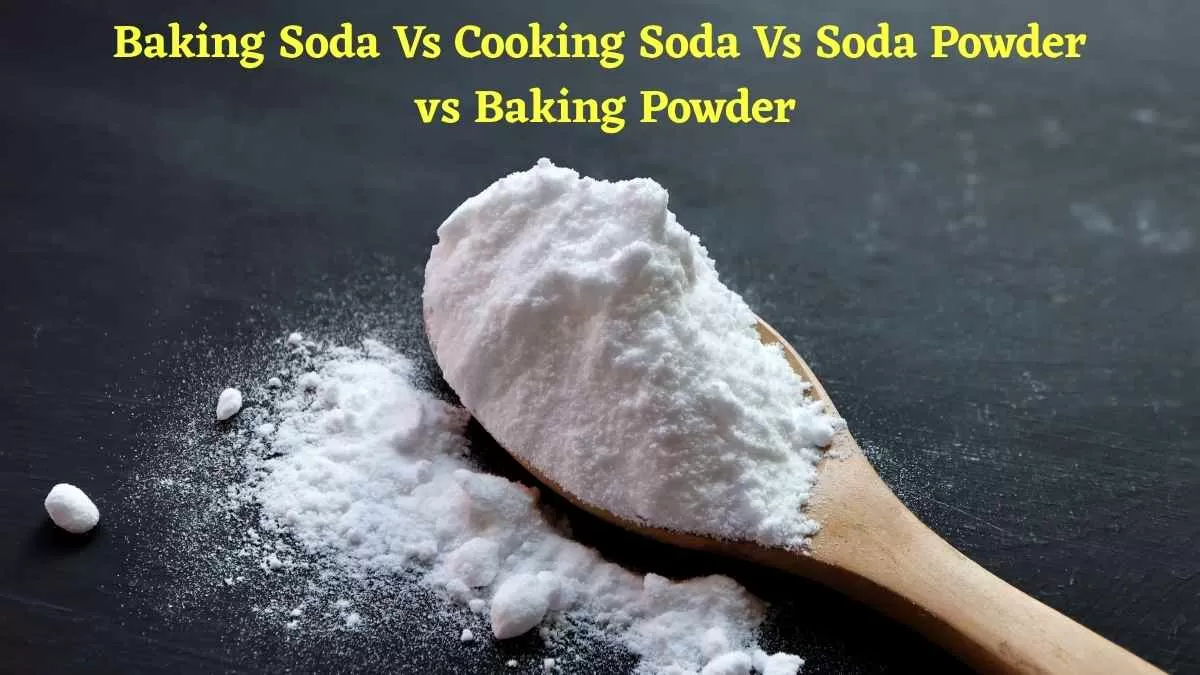
Has there ever been a time when you were baking something and thought, "Wait, is baking soda the same as cooking soda?" You're not alone, so don't worry. When recipes and packaging utilise multiple names, these culinary words can be perplexing. Baking soda, cooking soda, and soda powder are actually all the same thing — just different names for sodium bicarbonate. It’s that magical powder that helps cakes rise and makes idlis soft. But then there’s baking powder, which sounds similar but works a little differently. If you’ve ever mixed them up or wondered when to use what, this guide will make things super clear. No jargon, just simple explanations that actually make sense while you’re cooking.
First Things First – What Is Baking Soda?
Baking soda is that soft white powder you’ve probably seen in your kitchen shelf. Its chemical name is sodium bicarbonate (NaHCO₃) — but don’t let that scare you.
What makes it special? Well, it’s a base, and when it meets something acidic like lemon juice, curd, or vinegar, it reacts. That reaction releases carbon dioxide gas — tiny bubbles that puff up your batter. That’s how your cake or muffin turns soft and fluffy.
Quick tip: Since the reaction starts the moment it touches liquid and acid, your batter needs to hit the oven quickly for the best results.
So... Is Cooking Soda the Same Thing?
Yes, 100% yes.
Cooking soda and baking soda are exactly the same substance — just different names based on where you live.
- In Indian kitchens, we often call it cooking soda.
- In the West, it’s known as baking soda.
- And soda powder? Just another casual term people use.
No matter what the label says, it all points to the same stuff — sodium bicarbonate.
Bottom line:
✅ Baking Soda = Cooking Soda = Soda Powder
Now What About Baking Powder? Is That the Same?
Here’s where things get a little different.
While baking powder also helps your baked goods rise, it’s not just one ingredient. It’s actually a mix of:
- Baking soda
- An acidic salt (like cream of tartar)
- A drying agent (usually starch)
The beauty of baking powder? You don’t need to add any extra acidic ingredients like lemon or curd. The acid is already mixed in — so all you have to do is add water or milk, and it gets to work.
How Does Baking Powder Work?
There are two types you might come across:
- Single-acting baking powder: It starts reacting the moment it touches liquid. You’ll have to bake right away.
- Double-acting baking powder: This one gives you a little more time. It reacts first when mixed, and again when heated in the oven — helping your cake rise evenly and beautifully.
That’s why baking powder is perfect for recipes that don’t include acidic items.
Baking Soda vs Baking Powder: What’s the Difference?
Let’s make it simple:
| Feature | Baking Soda | Baking Powder |
| Needs Acid? | Yes | No |
| When It Reacts | Immediately with acid + moisture | With liquid and again with heat (if double-acting) |
| Taste if Overused | Soapy, unpleasant | Slightly bitter |
| Use With | Recipes using acidic stuff (like lemon, curd) | Neutral recipes (like milk, flour, etc.) |
Where to Use Baking Soda
- To soften rajma or chhole faster while cooking
- In fluffy Indian snacks like dhokla or idli
- For cleaning veggies and fruits (removes pesticide residues)
- To absorb fridge odours
- In kitchen cleaning — great for ovens and tiles
Where to Use Baking Powder
- Cakes, cupcakes, muffins
- Pancakes, waffles, and biscuits
- Pakoras or batters that don’t use acidic ingredients
- For that crispy texture in fried foods
Can You Swap One for the Other?
You can substitute — but it’s a bit tricky.
If you’re out of baking powder, try this DIY mix:
1 tsp baking powder = ¼ tsp baking soda + ½ tsp lemon juice (or vinegar) + ¼ tsp cornstarch
But the other way around? Swapping baking powder in place of baking soda doesn’t always work well — especially if your recipe relies on a strong reaction. So it’s best to stick to what the recipe calls for.
To Wrap It Up – Know What You’re Using
Understanding the difference between baking soda, cooking soda, soda powder, and baking powder might sound like small stuff, but it can totally change the way your recipes turn out.
Once you get the hang of how each one behaves, you’ll find baking (and cooking!) a lot more fun — and your dishes? Even more delicious.
So next time you're in the kitchen, you won’t be guessing — you’ll know exactly what to reach for.

Prabhat Mishra is a Subject Matter Expert and digital journalist with an extensive background in the competitive exam landscape and over 4 years of experience in education, national and international news, and current affairs. Over his tenure with top knowledge platforms like Mentorship India, IAS BABA, IAS SARTHI, and now Jagran Josh, he has a deep understanding of government exams like UPSC and State PCS, including UP and Bihar, as he has already qualified for the UPPCS 2022 Mains and Bihar 68th Mains. With his core expertise in history, polity, geography & current affairs, he specialises in creating well-researched, aspirant-centric content and simplifying complex topics for competitive examinations.


-1790227286672_t.webp)

![[Link Active] RRB NTPC UG CBT 2 Answer Key 2026 LIVE: Download CEN 07/2025 Response Sheet PDF](https://img.jagranjosh.com/images/2026/September/2492026/RRB-NTPC-UG-CBT-2-Answer-Key-2026.jpg)