Which Is the Largest Gulf in the World?
The Gulf of Mexico is the largest gulf in the world. Discover why the Gulf of Mexico is the largest gulf in the world, including its size, location, features, importance and key facts.
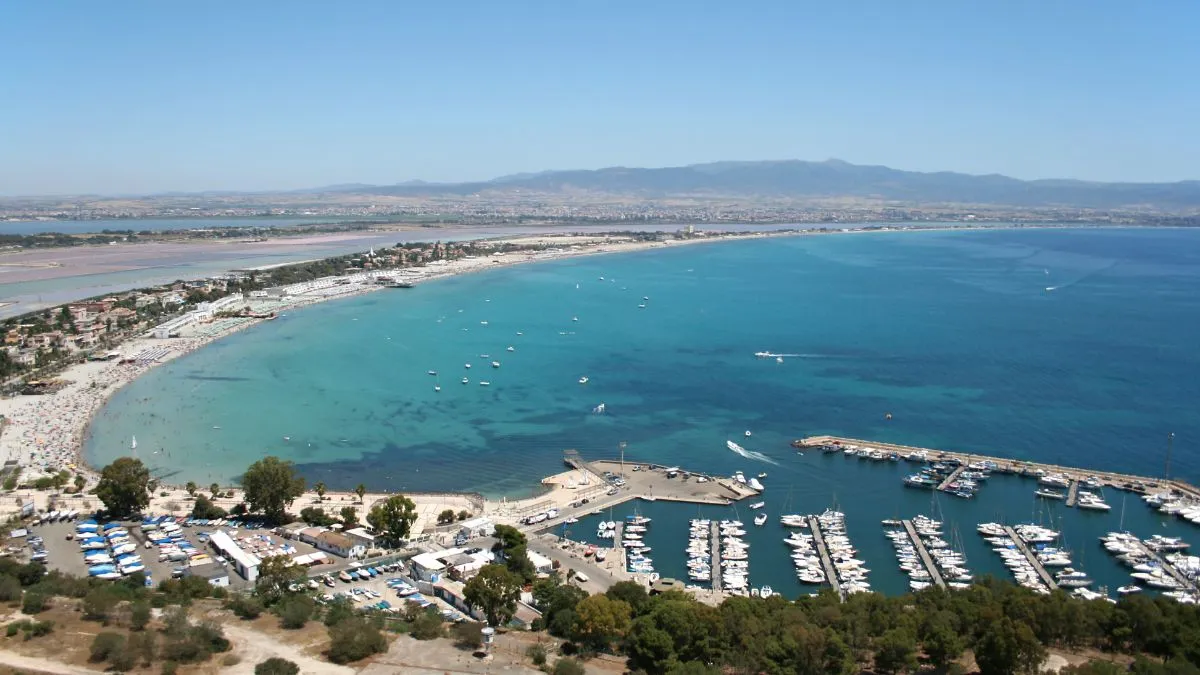
Largest Gulf in the World: Gulfs are large water bodies partially enclosed by land, and they play an important role in trade, climate, marine life, and coastal ecosystems. Some gulfs are known for their size, depth, and global importance, and one of them stands out as the biggest and most significant gulf on Earth.
Which Is the Largest Gulf in the World?
The Gulf of Mexico is the largest gulf in the world because it covers an enormous area of around 1.5 million square kilometres, making it the biggest enclosed body of water bordered by continents. It lies between the United States, Mexico, and Cuba, and its large size, deep central basin, wide coastline, and major economic importance make it the world’s largest gulf.
Location of the Largest Gulf in the World
The Gulf of Mexico is located between North America and the Caribbean, and it borders major regions like Florida, Texas, Louisiana, and eastern Mexico, making it one of the most important coastal zones for trade, tourism, and marine activities.
Size and Depth of the Gulf of Mexico
Covering nearly 1.5 million square kilometres, the gulf contains deep oceanic zones, shallow continental shelves, warm waters, and diverse marine ecosystems, making it the largest gulf globally in both spread and water volume.
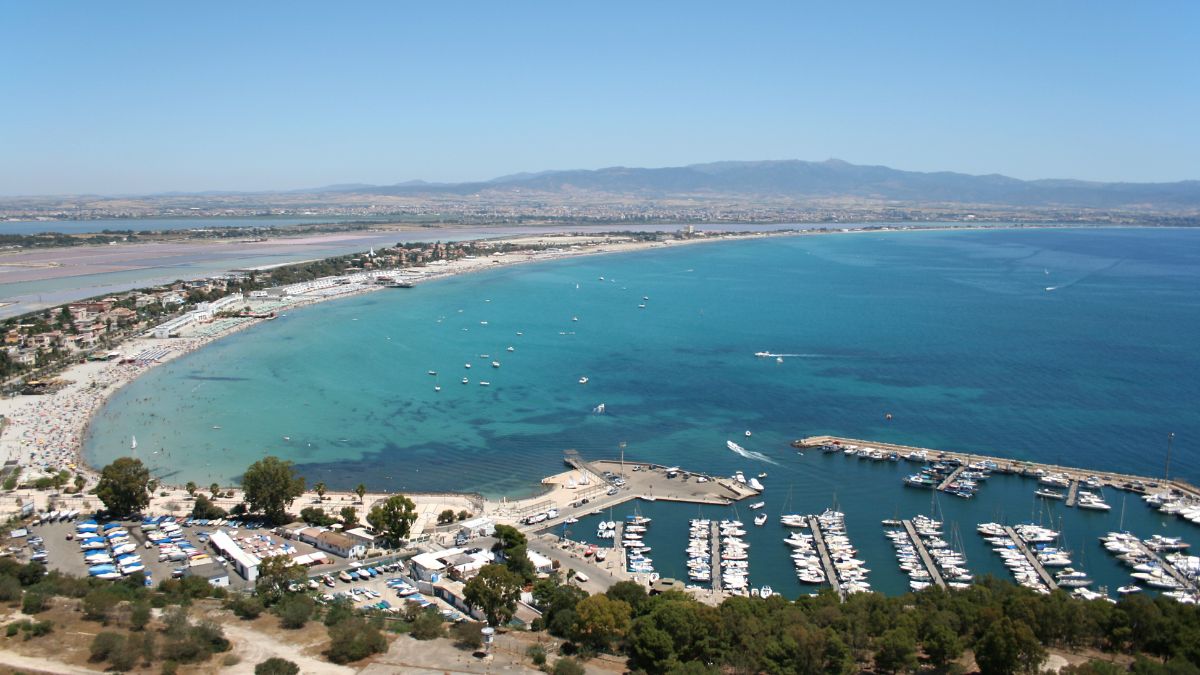
Why the Gulf of Mexico Is Important
It is a major region for fishing, international shipping, oil and gas reserves, coral ecosystems, and coastal tourism, and its waters support millions of people living along its borders in all three surrounding countries.
Geographical Features of the Gulf
The gulf contains deep central basins, coral reefs, warm ocean currents, long coastlines, and nutrient-rich waters, and these features create strong biodiversity, economic opportunities, and climate influence.
Countries Surrounding the Largest Gulf
The United States, Mexico, and Cuba surround the Gulf of Mexico, and all three countries depend on it for trade routes, fishing grounds, coastal development, weather patterns, and marine resources.
Interesting Facts About the Largest Gulf in the World
Home to the World’s Loop Current
The Loop Current is a warm and powerful ocean flow that moves through the gulf, and it affects hurricane formation, marine life movement, and ocean temperatures.
One of the World’s Richest Fishing Zones
The gulf is known for shrimp, tuna, snapper, oysters, and many other species, and fishing along its coasts is a huge economic activity for surrounding regions.
Huge Oil and Natural Gas Reserves
The Gulf of Mexico contains many offshore oil platforms, and it is one of the world’s major regions for petroleum and natural gas production.
Formed Millions of Years Ago
The gulf was created by ancient tectonic activity, and over millions of years it developed into a large marine basin connected to the Atlantic Ocean.
Important Route for International Shipping
The Gulf of Mexico links major ports in the United States and Mexico with global trade networks, making it one of the busiest shipping regions in North America.
Read more: Which is the Oldest Rainforest on Earth?
The Gulf of Mexico is the largest gulf in the world because of its massive area, deep basin, wide shoreline, and strong ecological and economic importance.Keep reading for more topics like this.

Jasreet Kaur is a journalist with over 3 years of experience in digital media and news content creation. She specializes in covering Trending News, including major National and International developments, with a focus on delivering accurate, engaging, and reader-friendly stories. Prior to this, she worked with Zee News as a Content Writer, where she gained extensive experience in news reporting and content strategy. Driven by curiosity, credibility, and a passion for impactful journalism, Jasreet aims to contribute to informed public discourse while supporting positive growth in organizations, society, and the world.


-1789976812962_t.webp)