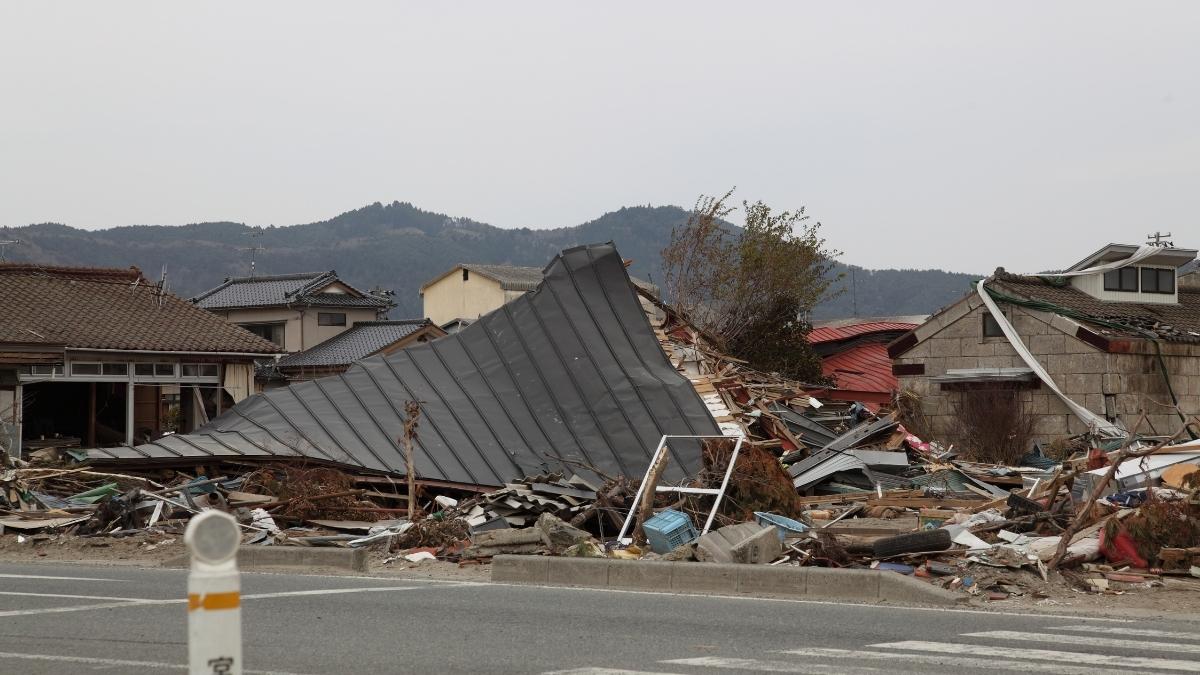
Reports from the Japan Meteorological Agency shows that Japan major earthquakes make up nearly 20 percent of all worst quakes in the world that measured magnitude 6.0 or higher.
Japan has experienced a magnitude 7.1 tremor in Kumamoto on July 28 2026 and people are looking back at the country's major earthquake warnings over past few years.
Earthquakes in Japan is a recurring natural phenomenon because of its geography. Over the last 15 years seven deadly seismic activity have changed how cities build structures and how emergency workers respond when the ground moves.
15 Year Timeline of Major Earthquakes in Japan
There has been around 8 deadly earthquakes in Japan since 2011 that have let emergency teams and city planners to work harder when compared to other countries of the world.
|
Date
|
Location of Earthquake in Japan
|
Magnitude
|
Main Damage and Impact
|
|
March 11, 2011
|
Tohoku Region
|
9.0
|
Great East Japan earthquake and tsunami, Fukushima plant damage.
|
|
April 16, 2016
|
Kumamoto
|
7.3
|
Severe ground cracks, landslides, and 270+ deaths.
|
|
June 18, 2018
|
Osaka
|
6.1
|
Trains stopped and factories shut down temporarily.
|
|
Sept 6, 2018
|
Hokkaido
|
6.7
|
Large landslides and a island wide blackout.
|
|
March 16, 2022
|
Off Fukushima
|
7.4
|
Strong coastal shaking that derailed a bullet train.
|
|
Jan 1, 2024
|
Noto Peninsula
|
7.6
|
Ground lifted up along the coast, 300+ deaths.
|
|
July 28, 2026
|
Kumamoto
|
7.1
|
Heavy shaking that damaged roads and cut power lines.
|
Why Japan Experiences So Many Major Earthquakes
Japan sits directly on the Pacific Ring of Fire. Four large tectonic plates which are the Pacific, Philippine Sea, Eurasian, and North American plates meet at the Pacific Ring of Fire.
These heavy plates constantly slide against and grind past one another underneath the islands. And when offshore plates suddenly slip under the ocean floor they displace huge amounts of seawater.
The displacement send fast tsunamis toward the shore. On land shallow fault lines snap under accumulated stress and cause strong earthquake tremors that cracks roads and damages structures.
How Japan Earthquake and Tsunami Warnings Protect People
Japan updates its building rules after big earthquakes to reduce damage. Modern high rise buildings sit on thick rubber pads that absorb ground shaking so the floors above stay still.
-
Rubber Base Pads: Placed under foundations to absorb side-to-side shaking.
Early Warning Alerts: There are phone systems that sound an alarm seconds before the strongest earthquake starts.
Seawalls: Concrete walls built along coasts to block rising water.
Early earthquake warning sensors pick up fast moving initial seismic waves and send phone alerts instantly. This gives people a few seconds to take cover while automatically stopping high speed trains to prevent accidents.
The clean up teams are working in Kumamoto today to get over the aftershock of a 7.1 magnitude tremor in 2026. This 15 year history shows why preparing for the next tremor matters. Japan's strict building rules and fast warning systems give other earthquake prone countries a simple idea to protect lives.