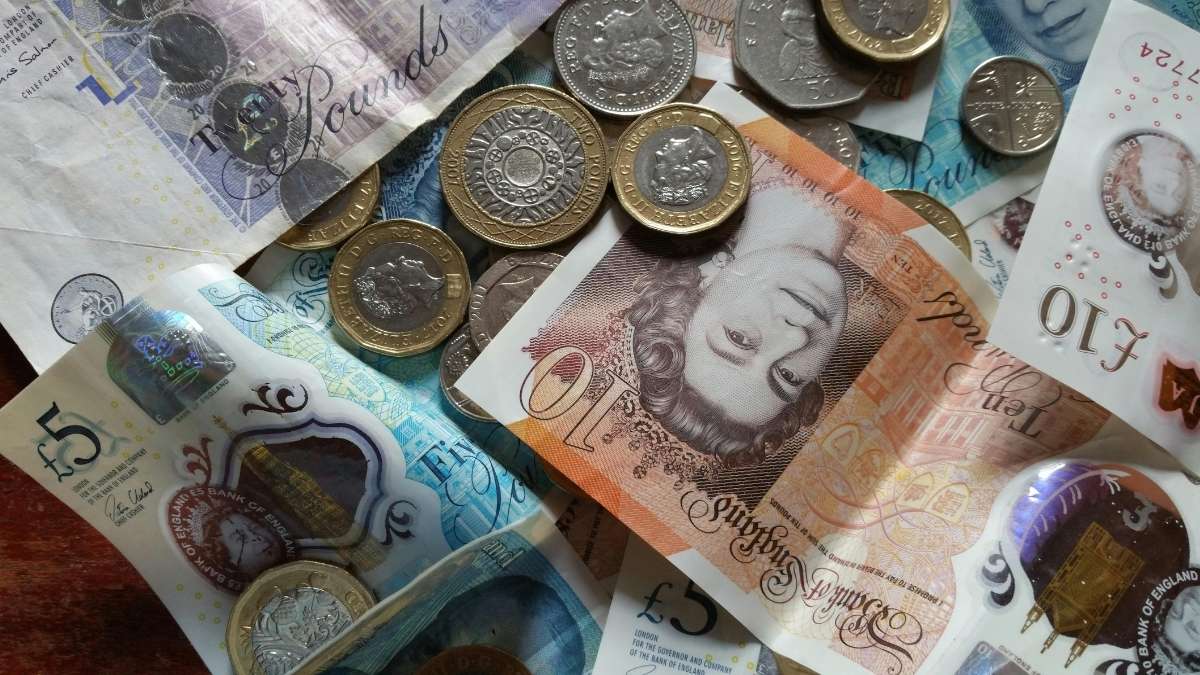
The search for the oldest currencies still in use shows just how long some money systems can last. Records from the Bank of England hint that the British pound sterling is the oldest currency in the world and is still used today. The history of British pound goes back over 1200 years to simple Anglo Saxon silver coins.
Money changes constantly with inflation and new technology but some specific national currencies have managed to stay in everyday use. This article is about those oldest active currencies and their history of origin as an important subject matter in economics.
What was the First Currency in the World?
It is important to see where minted money came from before looking at the surviving currencies.
Historians at the British Museum note that the Lydian Stater was created around 600 BC in what is now Turkey. It was the first ever official currency in the world.
The Lydian Stater coins were made from electrum. Electrum is a natural mix of gold and silver.
These stamped coins were used as a standard value for daily trade.
But the Lydian Stater, the first currency in records is no longer in circulation today. Yet its existence marked the transition from barter trade to modern coinage systems.
Lydian Silver Stater (Photo Credit: World History Encyclopedia)
Top 10 Oldest Currencies Still in Use Today
Ancient coins now belong in museum displays. But the following currencies managed to stay in production century after century.
These oldest currencies survived world wars, banking collapses, and major political shifts without losing their status as official national legal tender.
| Rank | Oldest Currency in Circulation | Issuing Country or Territory | Year Introduced |
| 1 | British Pound Sterling (GBP) | United Kingdom | c. 775 AD |
| 2 | Serbian Dinar (RSD) | Serbia | 1214 |
| 3 | Russian Ruble (RUB) | Russia | c. 1298 |
| 4 | US Dollar (USD) | United States | 1792 |
| 5 | Haitian Gourde (HTG) | Haiti | 1813 |
| 6 | Falkland Islands Pound (FKP) | Falkland Islands | 1833 |
| 7 | Dominican Peso (DOP) | Dominican Republic | 1844 |
| 8 | Swiss Franc (CHF) | Switzerland | 1850 |
| 9 | Canadian Dollar (CAD) | Canada | 1871 |
| 10 | Japanese Yen (JPY) | Japan | 1871 |
(Data sourced from central bank history pages and public records).
Key Facts about Oldest Currency in the World
- British Pound Sterling (GBP): It was first minted under King Offa of Mercia as silver pennies and grew into one of the world's most traded currencies.
- Serbian Dinar and Russian Ruble: Both Dinar and Ruble started during the Middle Ages under old monarchies and survived centuries of changing borders.
- US Dollar: The US currency was set up by the Coinage Act of 1792 and today it is the main currency used for international business.
Where does Indian Rupee Rank among Oldest Currencies?
The Indian Rupee (INR) holds a unique place in monetary history. If we trace back to the silver Rupiya issued by Sher Shah Suri in 1540 AD then the rupee would rank #4 in the world right behind the Russian Ruble. It would also be older than the US Dollar.
But official currency rankings usually measure modern and continuous history of a legal tender. So Indian Rupee counted from the British East India Company's Coinage Act of 1835 will be ranked at #7 globally. And it will fall just outside the top 10 list if we cosider the ranking from Indian Independence since 1947.
Why Some Ancient Currencies Lasted So Long?
Monetary durability depends quite heavily on institutional trust and legal stability. And the British pound survived transitions from silver standards to gold. It also withstood the establishment of central banking in 1694 and post war floating exchange rates.
The US dollar in a similar way expanded its global influence through international trade agreements and central bank backing.
Currency survival requires continuous structural adaptation. Countries that preserved their historical currency names often updated their banking systems. They redenominated notes during major economic shifts. And today digital payment integration and central bank innovations ensure these historic legal tenders remain as functional in modern commerce as they were in the past.