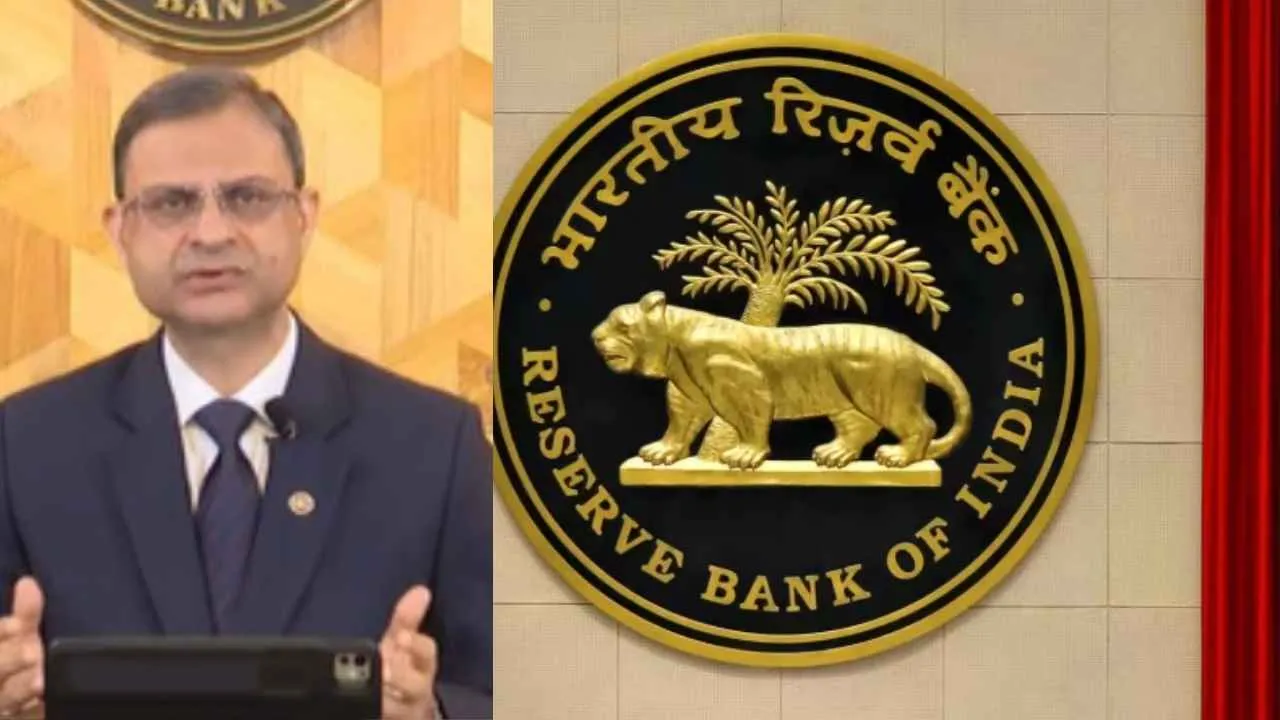
RBI MPC Meeting October 2026: The Reserve Bank of India is set to hold its next MPC meeting on Monday, 5 October. The meeting is scheduled for three days, from October 5 to October 7, 2026.
The RBI Governor Sanjay Malhotra is scheduled to announce the decision on Wednesday after a rigorous discussion with the whole team. The decision will be live on October 7, 10:00 AM, and a formal press release will follow after that.
The whole domestic Indian trader community is watching the move closely, as any change in the repo rate will also affect borrowers, investors, savers and businesses.
Currently, the repo rate is 5.25%. RBI has maintained it through four consecutive policy reviews in 2026.
With the escalating geopolitical tension, inflation pressure, elevated crude oil prices and dollar-rupee movement, the whole market is assessing whether the central bank could finally change its stance or not.
The assumptions are based on three situations: hike, unchanged or decline. Any move will gradually affect the stock market, businesses and investors. Let's decode the situation one by one.
Situation 1: What Happens If RBI Hikes Repo Rate?
The first situation that is assumed is if the RBI hikes the repo rate after this meeting. If the RBI raises the repo rate by 25 basis points, the percentage rises to 5.50%, and the borrowing cost could increase.
A rate hike is generally used to control inflation by making borrowing more expensive. The move can affect borrowers, savers, stock markets and bond investors in different ways.
Impact of a Repo Rate Hike
-
Loans & EMIs: Floating-rate home, car and personal loans could become more expensive, increasing EMIs or extending the loan tenure.
Fixed Deposits: Banks may increase FD and other deposit rates to attract more funds, benefiting savers.
Stock Market: Higher borrowing costs could put short-term pressure on stock prices by affecting corporate profitability and investment.
Bond Market: Existing bond prices generally fall when market interest rates rise.
Situation 2: What Happens If RBI Keeps Repo Rate Unchanged?
The second most likely situation that could arrive is if the repo rate is unchanged. The RBI has not changed the repo rate for its four consecutive meetings since past. Even in the last meeting, the repo rate did not change and stayed unchanged at 5.25%. Borrowers, savers and investors may see stability in the short term.
The impact will also depend on banks’ lending and deposit rates, as well as the RBI’s comments on inflation, economic growth and future policy.
Impact of an Unchanged Repo Rate
-
Loans & EMIs: Floating-rate borrowers are unlikely to see an immediate change in their loan costs solely due to the MPC decision.
-
Fixed Deposits: FD rates may remain broadly stable, although individual banks can change rates based on their funding requirements.
-
Businesses & Investors: An unchanged rate can provide greater certainty for businesses and investors.
-
Stock Market: Markets may react to the RBI’s commentary and its assessment of inflation, growth and future monetary policy.
Situation 3: What Happens If RBI Cuts Repo Rate?
The most unlikely and unhinged scenario would be if the repo rate is cut. If the RBI cuts the repo rate, it would signal monetary easing and could reduce borrowing costs over time.
This will benefit the borrowers and businesses, while savers may face lower returns on new fixed deposits. On the other hand, the stock and bond markets could also respond positively to lower interest rates.
Impact of a Repo Rate Cut
-
Loans & EMIs: Home-loan borrowers could benefit from lower EMIs or a shorter loan tenure, depending on how lenders adjust rates.
-
Fixed Deposits: Banks may reduce FD rates, making new deposits less attractive for savers. Existing FDs generally continue at their booked rates.
-
Businesses & Consumers: Lower borrowing costs can encourage businesses and consumers to borrow, spend and invest.
-
Stock Market: Lower interest rates can support equities by reducing borrowing costs and potentially improving corporate earnings.
-
Bond Market: Existing bond prices generally rise when market yields decline.
When Was The Last Time RBI Changed The Repo Rate?
The RBI last changed the repo rate on December 5, 2025, when it cut the rate from 5.50% to 5.25%. Since then, the rate has remained unchanged.
|
Date
|
Repo Rate
|
Change
|
|
February 7, 2025
|
6.25%
|
Cut by 25 bps
|
|
April 9, 2025
|
6.00%
|
Cut by 25 bps
|
|
June 6, 2025
|
5.50%
|
Cut by 50 bps
|
|
December 5, 2025
|
5.25%
|
Cut by 25 bps - Last Change
|
|
2026
|
5.25%
|
No change through four policy reviews
|
What Should Everyone Watch From The RBI MPC Meeting?
The October 2026 RBI MPC meeting could be an important one for borrowers, savers and investors, especially after the repo rate stayed at 5.25% through the policy reviews held so far this year.
The repo-rate decision is only one piece of the puzzle. Market participants should also watch the RBI’s commentary on inflation, economic growth, liquidity, crude oil prices and global financial conditions. Whether the central bank hikes, holds or cuts the rate, the decision could influence loan costs, FD returns, bond yields and market sentiment. The Governor’s statement may offer the clearest clues about where interest rates are headed next.