RBI MPC Meeting 2026 Sees Repo Rate Hike: Check Impact on Different Sectors, New GDP, Inflation Forecast
Economists expect the RBI to potentially revise its FY27 inflation forecast upward from its earlier 5% projection. Some economists also expect an upward revision to the FY27 growth predict from 6.7%, after stronger-than-expected first-quarter GDP growth.
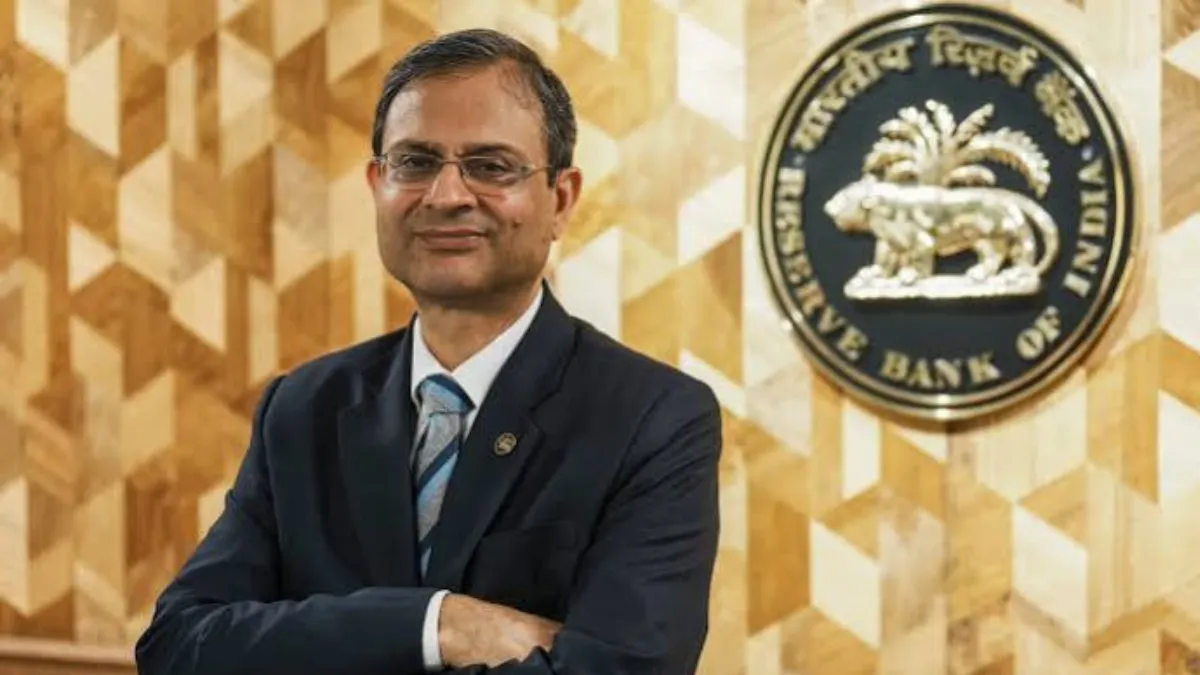
The Reserve Bank of India (RBI) raised the benchmark repo rate by 25 basis points to 5.50% on October 7, marking its first rate hike in nearly four years. The six-member Monetary Policy Committee (MPC) unanimously backed the decision and shifted its policy stance from “neutral” to “calibrated tightening.”
The Reserve Bank of India’s six-member Monetary Policy Committee (MPC) will meet from October 5 to 7, with Governor Sanjay Malhotra slated to announce the policy decision on October 7. The central bank’s repo-rate call comes amid soaring retail inflation, elevated crude-oil prices, a weaker rupee and powerful domestic economic growth.
Stocks and Sector Affected by RBI Repo Rate Hike
The rate increase is expected to keep banks, non-banking financial companies (NBFCs), real estate and automobile stocks in focus. These sectors are particularly sensitive to changes in borrowing costs and could see increased market volatility following the RBI decision.
For banks, the higher-rate environment could support margins, particularly if lending rates risefaster than deposit costs. Strong credit and deposit growth could also support the financial sector.
In contrast, real estate companies may face pressure as higher home-loan rates increase borrowing costs and potentially affect housing demand. Automobile and consumer durable companies could also be affected as costlier financing may make vehicle and big-ticket purchases less affordable.
Capital goods and infrastructure companies could face indirect pressure if higher interest rates slow private investment and project activity. Investors are also watching inflation, elevated crude oil prices, global bond yields and foreign fund flows, all of which could influence the RBI’s future policy decisions.
The repo rate presently stands at 5.25% after remaining unchanged in the last four policy reviews. The RBI had lowered the rate by a cumulative 125 basis points during 2025.
The Reserve Bank of India's Monetary Policy Committee (MPC) raised the repo rate, while upgrading the FY27 GDP growth forecast to 7.1% and raising headline inflation projection to 5.2%.
GDP Growth Forecast (FY2026-27)
• Revised Estimate: Raised to 7.1% (from 6.7%).
• Driver: Domestic economic activity remains resilient; Q1 growth stood at 7.8%.
• Q2 Projection: Estimated at 7.2%
Which sectors could be affected by Repo Rate hike?
Banking and NBFCs: Higher policy rates can bolster funding costs and consequently increase lending rates. Banks may see enhanced interest income on some loans, but higher borrowing costs can also influence credit demand and asset quality.
Real estate: Housing is highly interest-sensitive. Higher home-loan rates can reduce affordability and affect demand, while developers may see higher financing costs.
Automobiles: Vehicle financing costs could rise, potentially affecting demand, particularly for financed purchases. Especially Autos are an interest-sensitive sector.
Consumer goods: More borrowing costs can limit discretionary consumption and investment, particularly during the festive season.
Infrastructure and capital-intensive industries: Companies relying on debt financing could face higher interest expenses, especially if rate increases continue.
Stock and bond markets: A rate hike can elevate the cost of capital and create short-term volatility in equities. Bond yields may also react to expectations about the future of interest rates.
What happens to borrowers and savers?
For borrowers with floating-rate loans, increase of a repo-rate increase could eventually signify higher EMIs or longer repayment periods, depending on lenders’ pricing and loan structure.
For savers, higher rates can support deposit and fixed-income returns, although the speed of transmission varies across banks and products.

At Jagran Josh, she specialises in writing explainers and analytical stories on international news and current affairs. Over the years, she has developed strong expertise in leveraging digital and multimedia tools, along with SEO best practices, to enhance the speed, reach, and impact of her stories.