Uttarakhand has officially achieved full literacy between 2024 and 2026. It now becomes the sixth state in India to cross the national literacy benchmark under the ULLAS drive. The other five Indian state in the list are Mizoram, Goa, Tripura, Himachal Pradesh, and Sikkim.
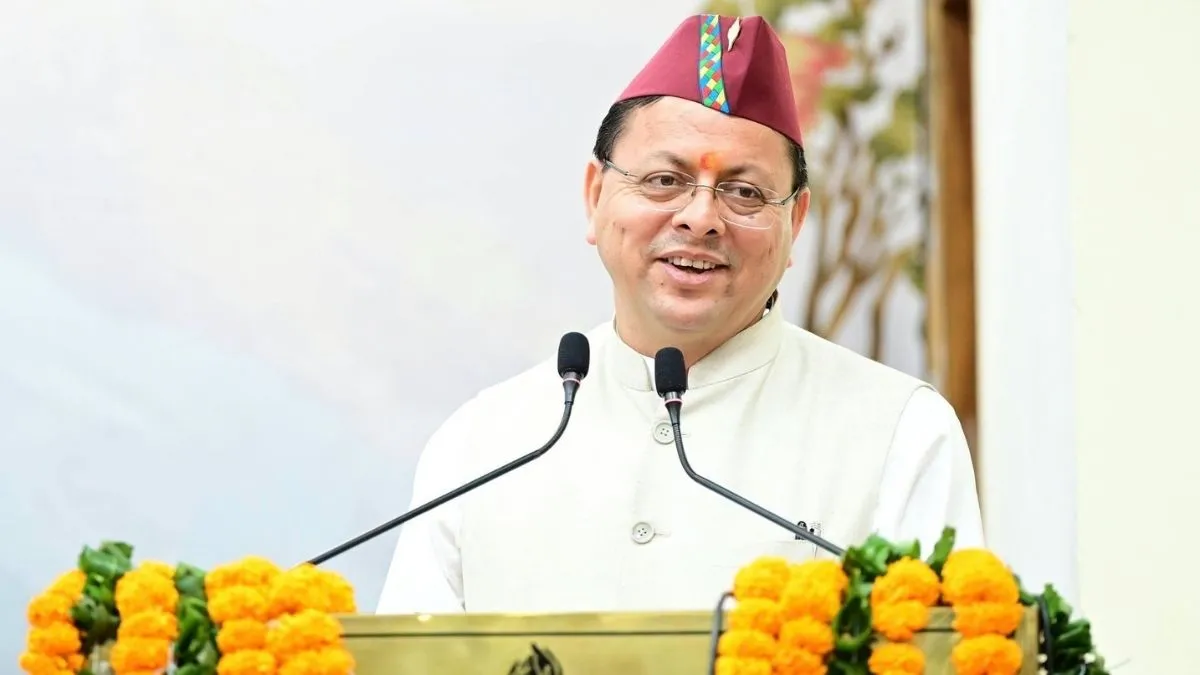
Uttarakhand’s Chief Minister Pushkar Singh Dhami announced the achievement in Dehradun by thanking community volunteers, teachers, and adult learners.
Full literacy is considered to be a status that exceeds the 95% functional literacy rate. On the other hand, the national literacy rate in India has been found to be at 81.1%.
This declaration highlights progress in overcoming tough Himalayan geography to deliver basic schooling across remote mountain villages.
List of Top 6 Fully Literate States in India Under NEP 2020
Uttrakhand became a fullt literate state by following National Education Policy (NEP) 2020 guidelines and the central ULLAS (Understanding of Lifelong Learning for All in Society) initiative.
According to official data from the Ministry of Education Uttarakhand follows five other states that previously passed the national benchmark.
|
Rank
|
Fully Literate State
|
Adult Literacy Rate
|
Declaration Year
|
Key Achievement and Focus Area
|
|
1
|
Sikkim
|
99.82%
|
2026
|
Highest rate via inclusive Himalayan outreach
|
|
2
|
Himachal Pradesh
|
99.30%
|
2025
|
Rapid growth from 7% post-independence rate
|
|
3
|
Mizoram
|
98.20%
|
2025
|
Strong community participation and female education
|
|
4
|
Goa
|
96.00%
|
2025
|
High educational infrastructure investment
|
|
5
|
Tripura
|
95.60%
|
2025
|
Cyber literacy and tribal outreach campaigns
|
|
6
|
Uttarakhand
|
98.70%
|
2026
|
25,000+ volunteers; remote mountain coverage
|
Education Minister Dhan Singh Rawat noted that around 25,000 volunteers ran door to door surveys. The volunteers helps adults register, study, and pass exams administered by the National Institute of Open Schooling.
Expanding Education Infrastructure Across Remote Mountain Districts
Concrete development of the learning environment of the state was necessary to reach out to rural areas through hill terrain:
-
Virtual Classes: Studio facilities have been set up to link over 500 schools in far-off regions to guarantee a similar quality of teaching everywhere.
Facilities: Laboratory facilities exist in about 200 science-high schools and intermediate colleges.
Schemes: Nanda Gaura scheme offers financial assistance to girl students while Chief Minister Balashray Yojana offers free education to orphan children.
How India Measures Universal Literacy Progress
India’s operational standard for full literacy evaluates foundational reading, writing, and math abilities alongside essential everyday skills.
-
Basic Literacy: Development of basic literacy skills in reading, writing, and calculation.
-
ULLAS Literacy Assessment Framework and Assessment Process: The volunteers take the learners through the FLNAT test conducted by the NIOS.
-
Functional Proficiency: Inclusion of modern competencies which include digital literacy and financial literacy.
-
Full Literacy Certification: Certification is declared after the State or Union Territory attains a literacy rate of 95%.
-
National Standard: Full literacy is attained by a State or Union Territory after attaining a literacy level of 95%.
-
Standardised Tests: Learners write the FLNAT to get the literacy certification.
-
Future Trends: Future trends in the State include functional digital security and online banking knowledge along with public services.