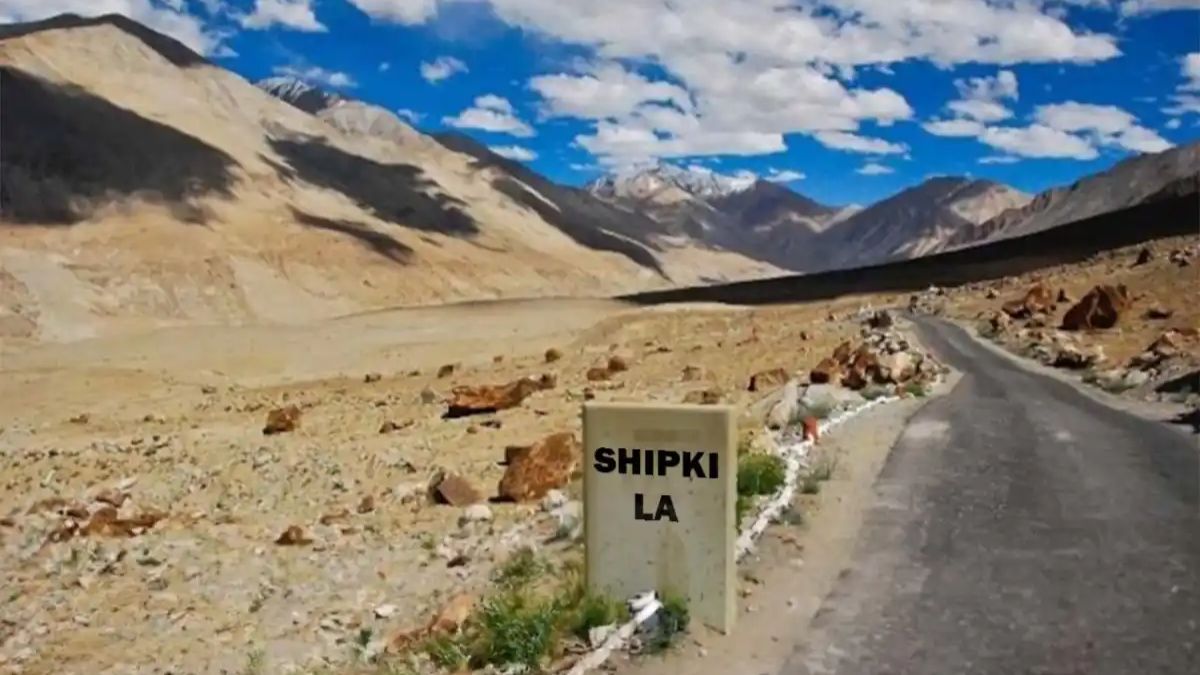
After a gap of around 6 years, India has now reopened the Shipki La trade corridor with China. This route is located in Himachal Pradesh and it is a part of the famous old Silk Route which was once used to connect traders across India, Tibet, and Central Asia.
The trade through this corridor came to a halt in 2020 due to the Covid pandemic and tense border relations between the two countries. Now as there is better coordination between the two nations, the trade has restarted.
Where is Shipki La Located?
Shipki La is a high mountain pass that is located on the India China border. This connects Himachal Pradesh with the Tibet Autonomous Region of China. Here is a brief overview:
|
Particular
|
Details
|
|
State
|
Himachal Pradesh
|
|
District
|
Kinnaur
|
|
Border
|
India and China
|
|
Elevation
|
Around 3,930 metres
|
|
Historical Importance
|
Ancient Silk Route which was used for trading
|
|
Nearby Indian Village
|
Namgia
|
|
Nearby Tibetan Point
|
Jiuba, Tibet
|
What is the History of Shipki La Trade Route?
Here is a brief history of Shipki La trade route:
|
Year
|
Event
|
|
Before 1947
|
Shipki La used to serve as an active trade route between India, Tibet, and Central Asia
|
|
1954
|
India and Tibet signed the Panchsheel Agreement and it listed Shipki La as an official trade and pilgrim route
|
|
1962
|
The trade through this route completely stopped after the India China war
|
|
1992
|
Border trade between the two nations through this route resumed after a gap of 30 years
|
|
2017
|
Trade was briefly halted during the Doklam standoff however it resumed the same year
|
|
2019
|
This was the last full trading season before the shutdown
|
|
2020
|
Trade came to a complete halt due to Covid and increased border tensions
|
|
June 2025
|
Shipki La was opened to Indian tourists
|
|
June 2026
|
Cross border trade officially resumed after a six year gap
|
Why Is Shipki La Part of the Historic Silk Route?
Shipki La has been an important part of the famous Silk route for years. This was used by traders for hundreds of years long before roads and airports existed. There were merchants from India, Tibet, and Central Asia who used this route to carry goods across the mountains.
There were traders from Kinnaur, Spiti, Lahaul, Ladakh, and Punjab who used this route to exchange Indian tea, spices, and farm tools and received Tibetan wool, and salt. This is why Shipki La is seen as an important part of the old Silk Route network.