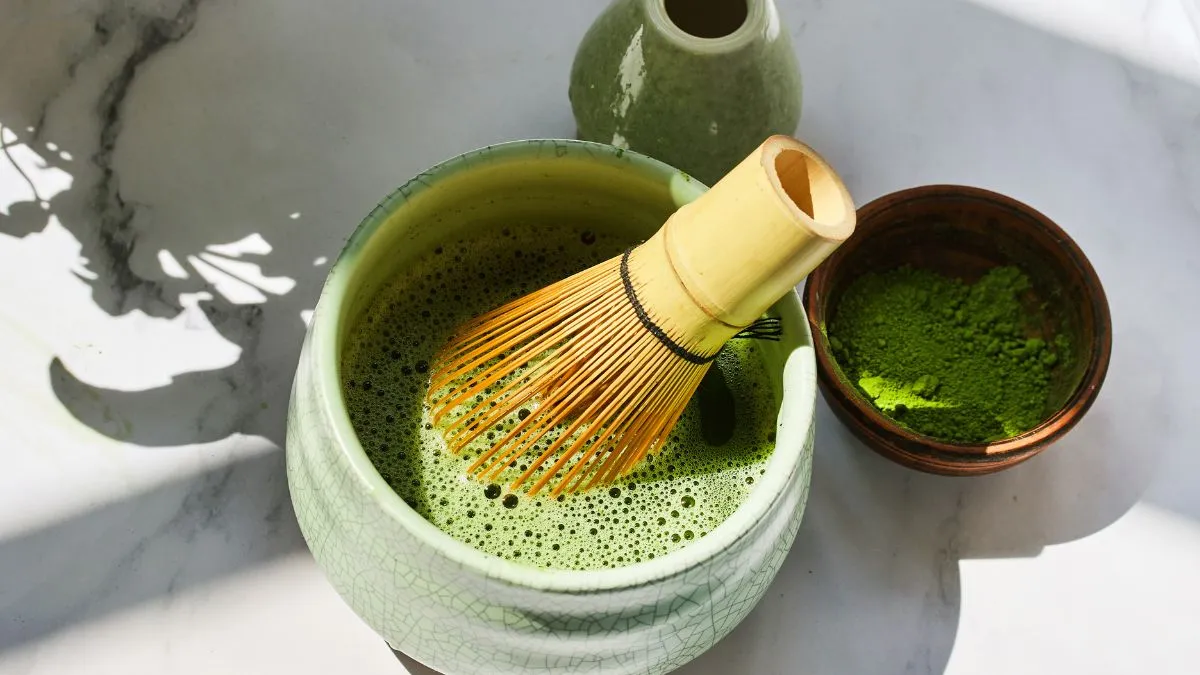
Matcha has become one of the most popular forms of green tea around the world. Matcha is made by grinding specially processed tea leaves called tencha into a fine powder. Japan has several important tea growing regions including Aichi, Kagoshima and Kyoto. Keep reading to know in detail.
Which Country Is the Largest Producer of Matcha?
Japan is the leading country for matcha production. Matcha is a finely ground form of specially processed green tea. Japan has a long history of matcha production and tea culture. Japanese matcha is produced in several tea growing regions.
What Is Matcha?
Matcha is a powdered green tea made from specially cultivated and processed tea leaves. Unlike regular green tea where the leaves are steeped in water and then removed, matcha powder is mixed directly into water. Matcha has a bright green colour. It has a distinctive grassy and umami taste.
What Is Tencha?
Tencha is the main raw material used to make matcha. The tea plants used for tencha are generally shaded before harvesting. Tea plants are shaded before harvesting. Shading changes the colour and flavour of the leaves. The harvested leaves are steamed. The leaves are processed into tencha. Tencha is finally ground into matcha powder.
Which Japanese Prefecture Produces the Most Tencha?
Kagoshima Prefecture recorded the highest tencha production in Japan in 2022. According to Japan’s Ministry of Agriculture, Forestry and Fisheries, Kagoshima produced 1,392 tonnes of tencha in 2022, ranking first in Japan for tencha production that year.
Which Place Is Famous for Matcha in Japan?
Nishio in Aichi Prefecture is one of Japan’s best known matcha producing regions. The region has a long tea growing tradition.
What Is the Difference Between Matcha and Green Tea?
Matcha and green tea come from the same tea plant but their production and consumption methods are different.
| Feature | Matcha | Regular Green Tea |
| Processing | Made from specially processed tencha | Made from processed tea leaves |
| Form | Ground into a fine powder | Usually kept as whole or cut leaves |
| Consumption | Powder is consumed with the water | Leaves are normally removed after brewing |
| Color | Usually has a bright green colour | Colour varies by type |
| Usage | Used in traditional Japanese tea ceremonies | Consumed in many different tea styles |