Key Takeaways
-
The first stock exchange in India was established in the year 1875.
The first stock exchange was under a banyan tree opposite to the Town Hall in Mumbai.
It received official government recognition under a major law passed after independence.
The digital world has transformed how we buy stocks. Today, you can just simply open your devices and buy or sell stocks. But before 1950, stock market investing in India was quite a slow, paper-based process. In the earlier times, there were no online platforms like Groww or Zerodha, no electronic records as well as no market regulator like SEBI.
If we define what a stock market is then it is a place where many companies around the country sell small parts of themselves which are called shares. These shares are available for the public to buy. When people buy these shares, they can become part owners of the company.
Stock markets are quite important for any country’s economy. Almost every country around the world has its own stock market. They help businesses grow, create jobs, and offer common people a chance so that they can invest their savings and earn returns.
India is one such nation that has its own stock market and the interesting fact is that this system started before the country’s independence. Let’s find out which is the first stock exchange in India.
Which is the First Stock Exchange in India?
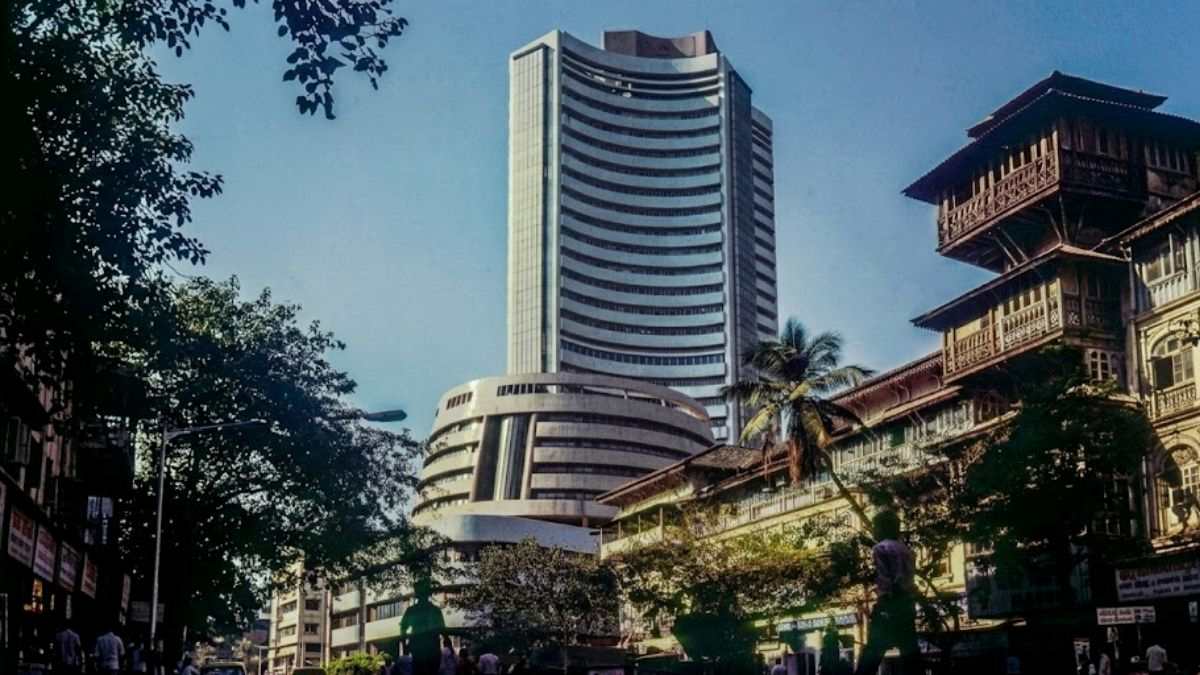
The Bombay Stock Exchange, known as BSE, is the first and oldest stock exchange in India. The story of BSE began in a very unusual place, under a banyan tree. In the 1850s, a small group of people used to gather under banyan trees near the Mumbai Town Hall so that they could trade in cotton.
When was this stock exchange established?
The BSE was established on 9 July 1875. The first name of BSE was “The Native Share and Stock Brokers’ Association.” It wasn’t until the 2000s when the official name was changed to BSE Limited.
By the year 1921, the exchange setup was established on Dalal Street. A very important moment in BSE’s history came after India’s independence. The Securities Contracts (Regulation) Act was passed in 1956 and this act allowed the central government to officially recognise and regulate stock exchanges in the country.
Yes, there were more than one stock exchanges that were established before they were regularised. However, BSE became the first stock exchange in India to get this official recognition from the government.
How does BSE Run?
In the beginning, BSE used to work through a system known as open outcry. In this system, brokers used to stand in a trading ring and used hand signals and loud shouting to buy and sell shares. This is how BSE functioned for more than a century and later the platform went digital.
The change came in the year 1995. BSE shifted from the outcry system to an electronic trading platform titled as BOLT. The full form of BOLT is BSE On-Line Trading. Moreover, BSE also introduced its own index in the year 1986 which today is known as Sensex. As per PIB, it was established with “30 most actively traded stocks of that time.” The pattern still continues today and it monitors the most active stocks.
Practice Questions
1. In which year was the Bombay Stock Exchange formally established?
a) 1856
b) 1875
c) 1901
d) 1956
Answer: b) 1875
2. Under which Act did BSE get permanent recognition from the Government of India?
a) Companies Act, 1956
b) Securities Contracts (Regulation) Act, 1956
c) SEBI Act, 1992
d) RBI Act, 1934
Answer: b) Securities Contracts (Regulation) Act, 1956
3. What is the name of BSE’s flagship stock market index?
a) Nifty
b) Sensex
c) BSE 500
d) Bankex
Answer: b) Sensex