International Coffee Day Quiz: How Much Do You Know About Coffee?
Test your coffee knowledge with this International Coffee Day quiz covering coffee history, origins, production, beans, processing, brewing, consumption and fascinating facts from around the world.
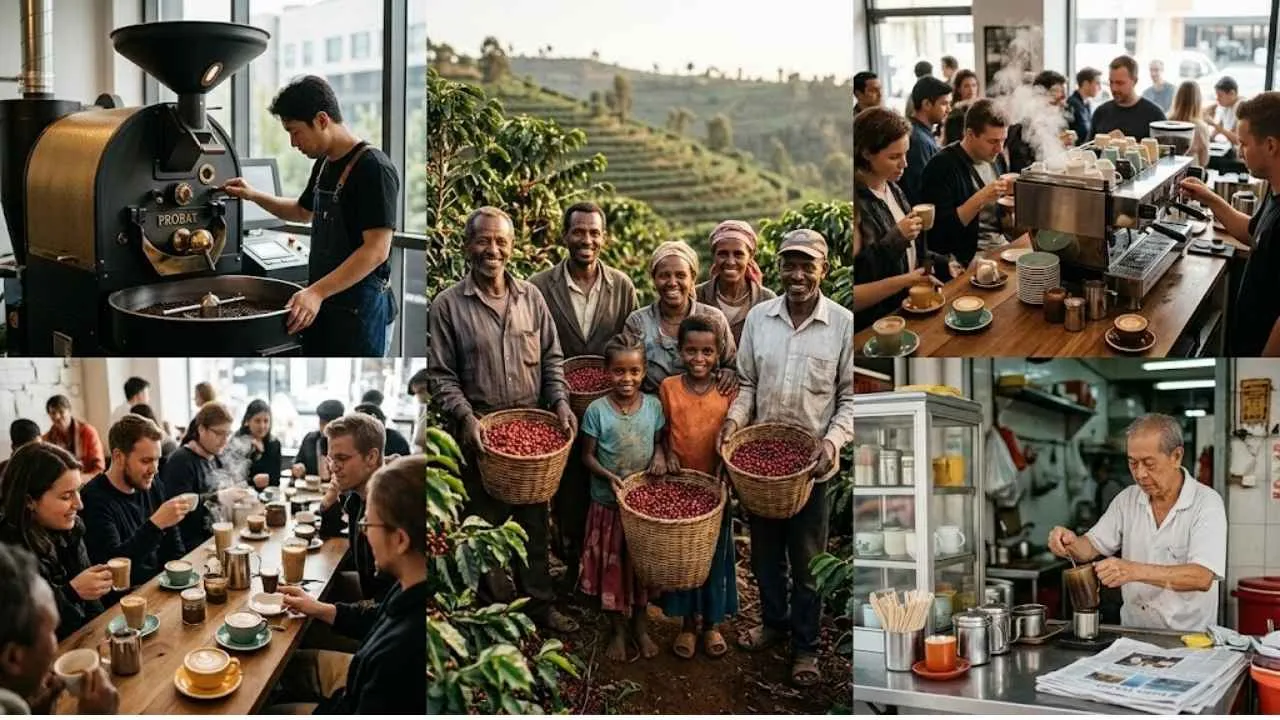
International Coffee Day, celebrated on October 1, is an opportunity to explore the amazing tasteful world of coffee. From its legendary Ethiopian origins and global production to roasting, brewing and processing, coffee has a rich history.
Millions of people, including you and me, begin our day with the popular beverage, hot or cold is a choice. While coffee remains an important agricultural commodity, it supports farmers and communities worldwide.
But how much do you actually know about coffee? This quiz will test your knowledge and give interesting facts about coffee beans, cultivation, consumption, processing, popular beverages and terminology.
Test your knowledge with these questions and discover fascinating facts about the drink enjoyed by people across the globe every day.
Test Your Knowledge On International Coffee Day
Q) On which date is International Coffee Day officially celebrated worldwide each year?
- A) September 29
- B) October 1
- C) November 15
- D) August 12
Answer: B) October 1
Explanation: International Coffee Day is celebrated annually on October 1. The International Coffee Organization officially launched the observance in 2015 during Expo 2015 in Milan, Italy.
Q) Which organisation officially established International Coffee Day?
- A) World Coffee Association
- B) International Coffee Organization (ICO)
- C) Global Fairtrade Federation
- D) Specialty Coffee Alliance
Answer: B) International Coffee Organization (ICO)
Explanation: The International Coffee Organization established International Coffee Day to celebrate coffee globally, highlight its importance and raise awareness about coffee producers and the international coffee industry.
Q) According to popular legend, what was the name of the Ethiopian goat herder associated with the discovery of coffee?
- A) Kaldi
- B) Omar
- C) Baba Budan
- D) Gabriel
Answer: A) Kaldi
Explanation: According to popular folklore, Kaldi was an Ethiopian goat herder who noticed his goats becoming energetic after eating berries from a particular coffee plant.
Q) Which country is the world’s largest producer and exporter of coffee?
- A) Colombia
- B) Ethiopia
- C) Vietnam
- D) Brazil
Answer: D) Brazil
Explanation: Brazil has been the world’s leading coffee producer for more than 150 years, producing roughly one-third of global coffee supplies and cultivating both major commercial species.
Q What are the two main species of coffee cultivated commercially worldwide?
- A) Arabica and Robusta
- B) Liberica and Excelsa
- C) Bourbon and Typica
- D) Geisha and Caturra
Answer: A) Arabica and Robusta
Explanation: Arabica and Robusta account for most commercial coffee production worldwide. Arabica is generally smoother and more aromatic, while Robusta usually contains higher caffeine levels.
Q) Which country has the highest coffee consumption per capita?
- A) United States
- B) Italy
- C) Finland
- D) Ethiopia
Answer: C) Finland
Explanation: Finland consistently ranks among the world’s highest coffee consumers per person. Coffee is deeply integrated into everyday routines and social culture across the country.
Q) What does the term “Coffee Belt” or “Bean Belt” refer to?
- A) A coffee transportation route
- B) The equatorial region suitable for growing coffee
- C) A belt worn by coffee harvesters
- D) A specialised espresso filter
Answer: B) The equatorial region suitable for growing coffee
Explanation: The Coffee Belt is the tropical region around the equator where suitable temperatures, rainfall, altitude and soil conditions create favourable environments for cultivating coffee plants.
Q) Which process removes the outer skin and pulp from fresh coffee cherries before drying the seeds?
- A) Dry or Natural Processing
- B) Wet or Washed Processing
- C) Dark Roasting
- D) Chaffing
Answer: B) Wet or Washed Processing
Explanation: Washed processing removes the fruit pulp mechanically before fermentation and drying. This method generally produces coffee with cleaner, brighter and more distinct flavour characteristics.
Q) What naturally occurring compound in coffee is primarily responsible for its stimulating effects?
- A) Theobromine
- B) Tannin
- C) Caffeine
- D) Polyphenol
Answer: C) Caffeine
Explanation: Caffeine is a natural central nervous system stimulant. It blocks adenosine receptors in the brain, helping reduce drowsiness and temporarily increasing alertness and concentration.
Q) What is the world’s most widely consumed psychoactive substance?
- A) Nicotine
- B) Alcohol
- C) Caffeine
- D) Marijuana
Answer: C) Caffeine
Explanation: Caffeine is widely consumed through coffee, tea, soft drinks and other products. It stimulates the central nervous system and can temporarily improve alertness while reducing feelings of tiredness.
Q) What is the process of removing caffeine from coffee beans called?
- A) Roasting
- B) Grinding
- C) Brewing
- D) Decaffeination
Answer: D) Decaffeination
Explanation: Decaffeination removes most caffeine from coffee beans before brewing. Different methods can use water, solvents or carbon dioxide to extract caffeine while retaining desirable coffee characteristics.
Q) Which type of roast typically has a light brown colour and retains more of the coffee bean’s original flavour?
- A) Dark roast
- B) Medium roast
- C) Light roast
- D) Extra-dark roast
Answer: C) Light roast
Explanation: Light-roasted coffee beans generally have a lighter brown colour and retain more characteristics from their origin, including acidity, aroma and distinctive flavour notes.
Q) Which coffee term refers to the individual characteristics of a coffee’s flavour and aroma?
- A) Intensity
- B) Origin
- C) Tasting notes
- D) Blending
Answer: C) Tasting notes
Explanation: Tasting notes describe identifiable flavours and aromas found in coffee, including characteristics such as chocolate, citrus, berries, nuts, flowers, caramel or spices.
Q) Which coffee brewing method uses high pressure to extract flavour from ground coffee?
- A) Drip brewing
- B) French press
- C) Espresso
- D) Cold brew
Answer: C) Espresso
Explanation: Espresso is made by forcing hot water under pressure through finely ground coffee. This produces a concentrated beverage often topped with a layer called crema.
Q) What is the term for roasted coffee beans releasing carbon dioxide and other gases over time?
- A) Desorption
- B) Degassing
- C) Dispersion
- D) Evaporation
Answer: B) Degassing
Explanation: Degassing occurs after roasting when coffee beans gradually release carbon dioxide and other gases produced during roasting, influencing freshness, flavour and extraction during brewing.
Q) Which coffee-growing country is particularly known for producing high-quality specialty coffee?
- A) Hawaii
- B) Jamaica
- C) Kenya
- D) India
Answer: C) Kenya
Explanation: Kenya is renowned for specialty coffee, particularly beans grown at higher elevations. Kenyan coffees are often recognised for distinctive acidity, fruity flavours and complex aromas.
Q) Which coffee bean defect is associated with beetle infestation?
- A) Quakers
- B) Mold
- C) Broca
- D) Ferment
Answer: C) Broca
Explanation: Broca damage is caused by the coffee berry borer, a small beetle that attacks coffee cherries and seeds, potentially reducing bean quality and harming production.
Q) What is the process used to separate coffee cherries from their outer fruit layer?
- A) Extraction
- B) Pulping
- C) Fermentation
- D) Drying
Answer: B) Pulping
Explanation: Pulping mechanically removes the outer skin and pulp from coffee cherries, exposing the coffee seeds. It is an important step in several coffee-processing methods.

Aishwarya Samant is a journalist with over 4 years of experience navigating the fast-paced corporate media landscape. She specializes in decoding business news, world economy, personal finance, and stock market trends, often adding a subtle touch of political perspective to keep things interesting.
Having worked with reputed organizations like ZEE, TV9, News24, and NewsX, she is no stranger to the newsroom hustle and the demands of real-time storytelling. Her writing style is fast-paced, engaging, and crafted to connect seamlessly with diverse audiences across platforms. She approaches every story from the reader’s point of view, breaking down complex topics into clear, relatable narratives backed by solid facts and credible sources. While she’s confident in expressing strong viewpoints, she ensures balance with insights. Sharp, fact-driven content that informs, engages, and keeps readers coming back for more.