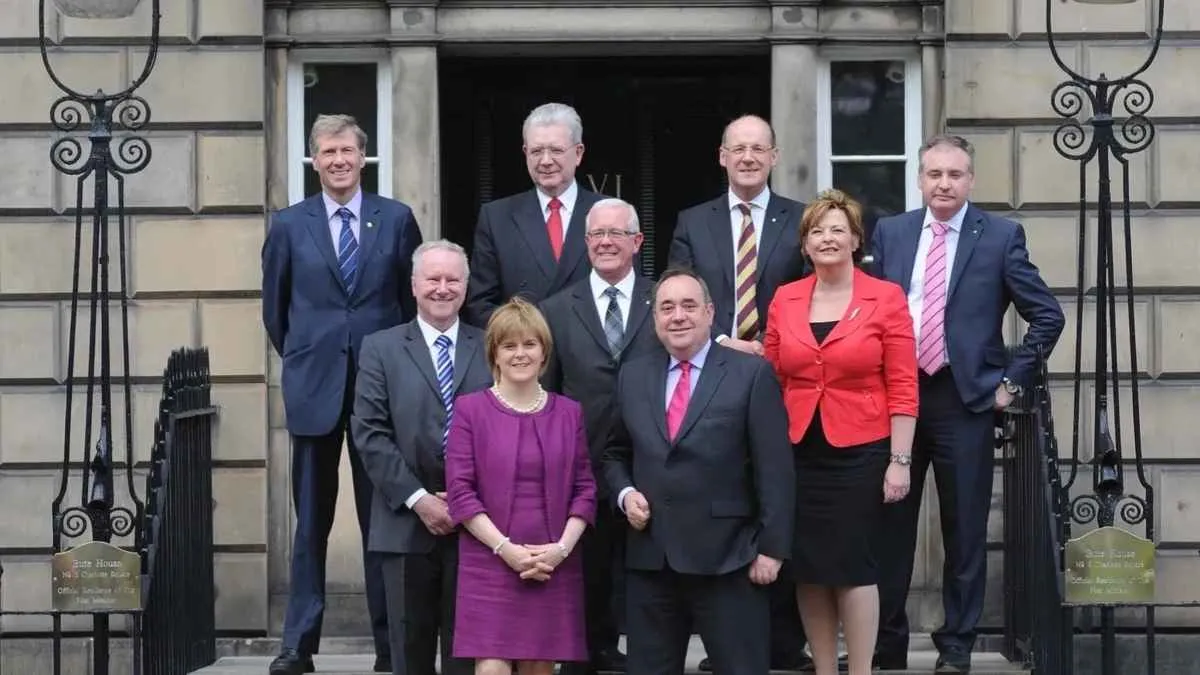
The union between the countries of the UK has been under increasing political pressure lately. Regional representatives from Scotland, Wales, and Northern Ireland gathered in Cardiff on September 14th 2026 in order to sign a Memorandum of Understanding (MoU).
Their joint statement insists that Westminster must not interfere with any local referendums on independence.
Therefore central authorities in London are confronted with the issue of what made the news about the break-up of the UK appear again with pro-independence parties dominating all three regional governments.
Why is the UK Breaking Up?
The fundamental factor that accounts for the political change currently witnessed in the United Kingdom is simply a result of electoral outcomes and ongoing policy disputes.
Below is a list of countries in the UK whose pro-independence leaders have been taking charge of Edinburgh, Cardiff, and Belfast at once.
|
Nation demanding Break-Up
|
Main Regional Driver
|
Stated Goal
|
|
Scotland
|
Opposed Brexit; wants direct ties with Europe
|
Full Independence and Rejoining the EU
|
|
Wales
|
Growing support for Plaid Cymru; local funding issues
|
Expanded powers and/or Independence
|
|
Northern Ireland
|
Post-Brexit trade rules; changing demographics
|
Border poll on Irish Reunification
|
The economic consequences that come with leaving the European Union continue to be one of the main reasons for the independence referendums.
While there was some support for Brexit in England, a majority voted to remain in both Scotland and Northern Ireland.
Brexit Voting result for UK Break-UP (Photo Credit: Al Jazeera)
What are Referendum Demands concerning UK Break-Up?
Scottish First Minister John Swinney, Welsh First Minister Rhun ap Iorwerth, and Northern Ireland First Minister Michelle O'Neill maintain that regional voters deserve a direct say on their future.
Under the 1998 Good Friday Agreement, Northern Ireland already has a legal law for a border poll. But legal power to approve independence referendums for Scotland and Wales still rests entirely with the UK Parliament in London.
UK government officials state that public priority should remain on national economic recovery rather than constitutional debates. Even so, the coordinated agreement among the three devolved nations marks a clear turning point in modern British politics.
What Happens to Countries in the UK If the Union Splits?
The United Kingdom is currently a sovereign nation made up of four constituent countries. And if all three devolved nations leave, only England would remain in the union.
-
The Four Present UK Nations: England, Scotland, Wales, and Northern Ireland form the modern UK.
-
If Scotland and Wales leave: They would establish fully independent sovereign states outside the UK.
-
If Northern Ireland Leaves: It could vote to unify with the Republic of Ireland under a border poll.