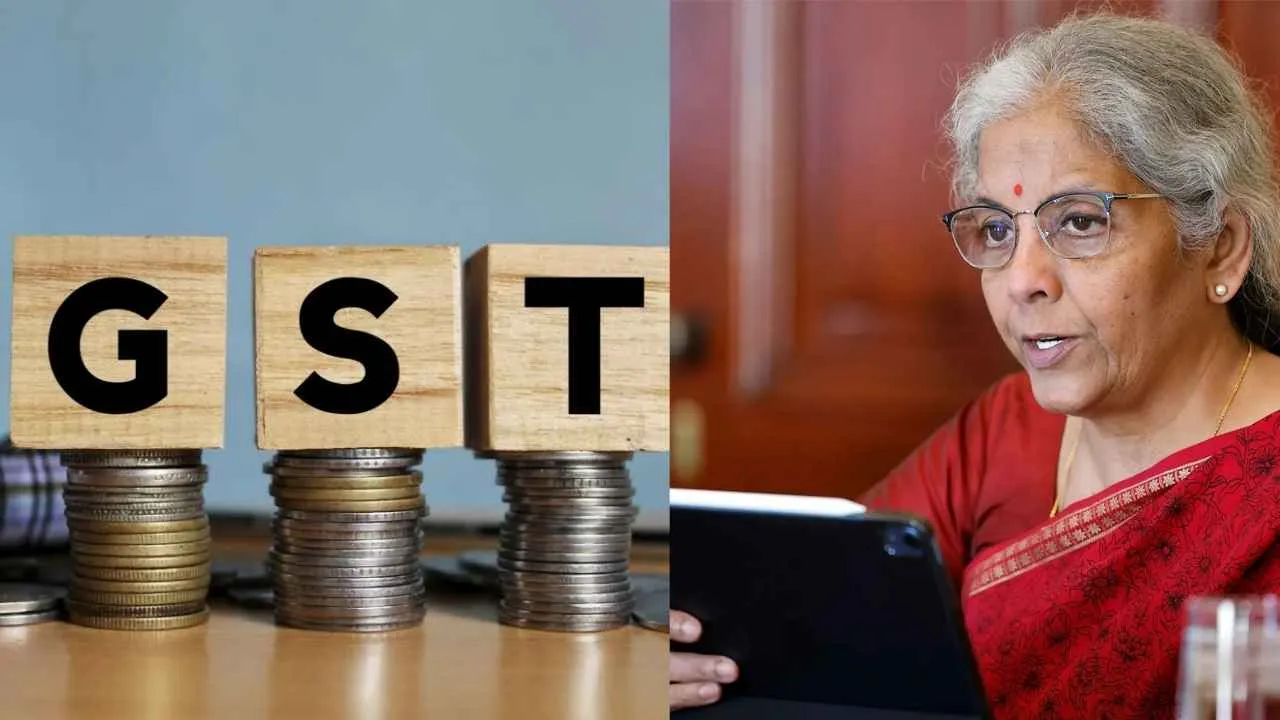
GST Council Meeting Today: major financial event has begun in the nation's capital. The 57th GST Council meeting is underway today, October 8, 2026, at Bharat Mandapam in New Delhi.
This meeting is chaired by Union Finance Minister Nirmala Sitharaman. According to the previous discussions, this meeting is not just about tax rates but is also about making the GST system work smarter.
The proposed “GST 2.0” reforms aim to simplify compliance. The new system also aims to reduce unnecessary litigation and make life easier for businesses, particularly MSMEs and e-commerce sellers.
From changes in arrest and prosecution provisions to simpler Input Tax Credit (ITC) rules and faster export refunds, the Council is looking at practical fixes. In short, GST 2.0 is about fewer complications and more predictable compliance.
Let's look at the key agenda of the GST Council Meeting.
List Of Key Agenda Of GST Council Meeting
Decriminalisation Of GST Offences: The GST Council is looking into the proposal to decriminalise several GST-related offences. One major proposal is to raise the criminal prosecution threshold to ₹5 crore.
If approved, the move could reduce the possibility of criminal proceedings in relatively smaller tax disputes. Also, it will create a more taxpayer-friendly GST compliance framework for businesses and new business owners.
Changes In GST Arrest Powers: This meeting may consider changes to GST arrest provisions under Section 69. The proposal seeks to reduce the scope of standalone arrest powers available to tax officers. Its main aim is to create a more trust-based tax administration system. Also, all this will happen while protecting genuine businesses from excessive regulatory pressure.
Relief For MSMEs And E-commerce Sellers: This time, the GST Council is taking measures to ease compliance for small e-commerce sellers.
One proposal would allow eligible vendors to use e-commerce platform warehouses as registered places of business across states.
This is set to benefit approximately 9.5 lakh small sellers by reducing the need for multiple physical establishments.
Minimum Threshold For Tax Notices: A proposal to introduce a common threshold for tax officers is also on the agenda. Under the proposed framework, tax demand notices may not be issued for amounts below ₹10,000. The measure could reduce administrative workload and help authorities focus on larger and more significant tax disputes.
Simplification Of ITC Claims: The Council is looking at ways to simplify Input Tax Credit (ITC) claims and reduce paperwork for businesses. Proposed changes could include automated invoice matching between buyers and sellers. The objective is to make credit claims smoother, reduce disputes and address working-capital challenges faced by businesses under the current GST framework.
Faster Export Refunds: Improving the export refund process is another important agenda item. The proposed reforms seek to simplify documentation and accelerate the processing of refunds for exporters. Faster refunds could help businesses access their funds sooner, improve cash flow and reduce the working-capital pressure associated with delayed GST refunds.
Predictable GST Rate Changes: The Council will also discuss making GST rate revisions more predictable by limiting major changes to a regular annual cycle, potentially from April 1.