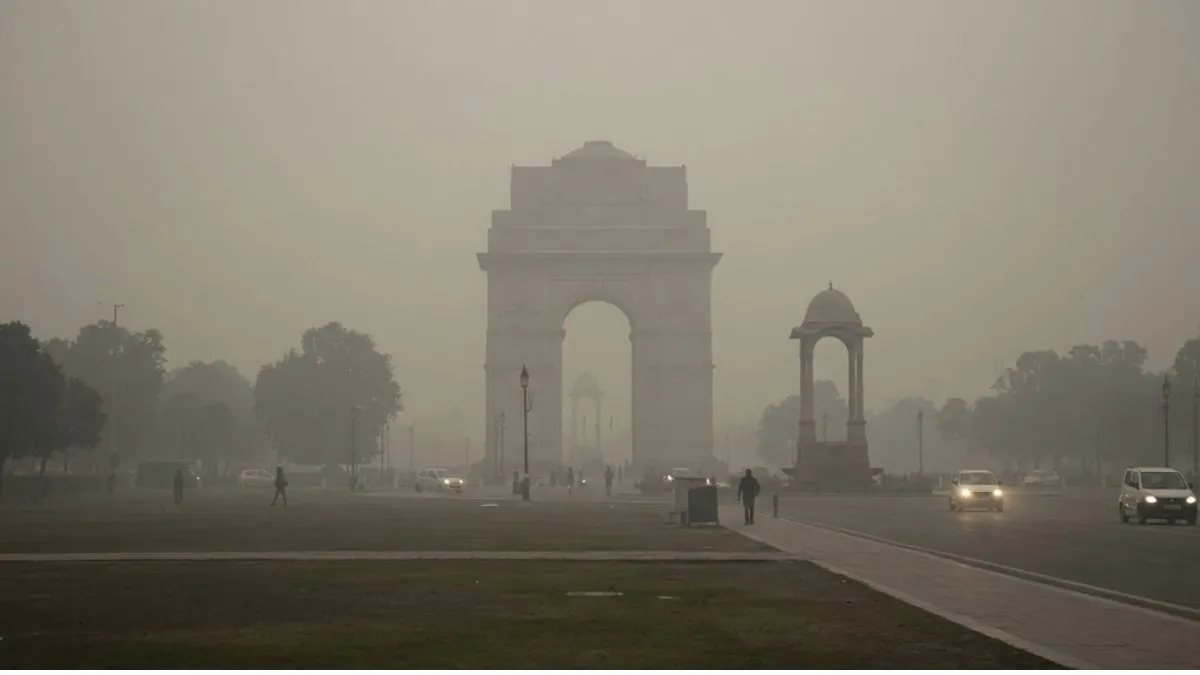
In a concerning turn of events, the national capital Delhi's AQI entered the 'Very Poor' category for the first time this season on Monday morning, November 2, 2026. The 9 am reading, as per the Central Pollution Control Board (CPCB), stood at 312, falling in the Very Poor category.
With Diwali, one of the country's biggest festivals, around the corner, GRAP Stage II can be implemented across Delhi-NCR to tackle rising pollution levels. Meanwhile, with no rainfall forecast in the coming days, air quality in the national capital will remain under close watch.
Let's take a look at the areas of Delhi that recorded the highest and lowest AQI readings and other important details.
Which Delhi Monitoring Stations Recorded High AQI?
As per the monitoring data recorded at 6 am on November 2, 2026, several areas of Delhi reported Very Poor and Severe air quality. Jahangirpuri recorded the highest AQI, while Shadipur and Anand Vihar were among the areas with comparatively lower readings.
Related Stories
Top 5 Highest Recorded AQI Hotspots (Most Polluted)
-
Jahangirpuri: 417 (Severe) - Industrial activity.
Punjabi Bagh: 397 (Very Poor) - Traffic congestion.
Rohini: 396 (Very Poor) - Residential traffic.
Alipur: 377 (Very Poor) - Highway traffic.
Mundka: 376 (Very Poor) - Industrial activity.
Lowest Recorded AQI Areas
-
Shadipur: 208 (Poor) - Commercial traffic.
-
Anand Vihar: 247 (Poor) - Bus terminal.
Will GRAP Stage 2 be Implemented in Delhi NCR?
As per the latest update GRAP Stage 1 has been implemented across Delhi NCR. But with rising AQI levels, the stage can be anticipated soon.
The Grap (Graded Response Action Plan) 2 is implemented when the AQI levels cross 300. In this numerous rules and regulations are enforced across the region.
|
Focus Area
|
Compulsory Activity
|
Primary Goal
|
|
Road Dust
|
Carry out the mechanised cleaning and sprinkling of roads regularly.
|
Control road dust.
|
|
Construction
|
Carry out dust prevention measures at construction sites.
|
Prevent the spread of dust into the atmosphere.
|
|
Traffic
|
Raise the prices for parking to discourage private cars.
|
Lessen private vehicles on the roads.
|
|
Public Transport
|
Boost the operation of CNG and electric bus and metro services wherever possible.
|
Encourage the use of public transportation.
|
|
Office Timing
|
Stagger office hours of government offices and municipalities.
|
Prevent traffic during peak hours.
|
|
Diesel Generators
|
Exercise strict controls on the usage of diesel generators, except where exemptions can be made.
|
Lessen emissions during power generation.
|
|
Waste Burning
|
Maintain the ban on burning garbage and other wastes.
|
Prevent smoke.
|
When Does Each GRAP Stage Apply?
The Graded Response Action Plan (GRAP) has 4 stages.
-
Stage I - Poor (AQI 201–300): Basic pollution control measures are introduced.
-
Stage II - Very Poor (AQI 301-400): Additional restrictions come into place.
-
Stage III - Severe (AQI 401-450): Stricter curbs are imposed.
-
Stage IV - Severe+ (AQI above 450): The strictest measures are introduced to prevent further deterioration in air quality.