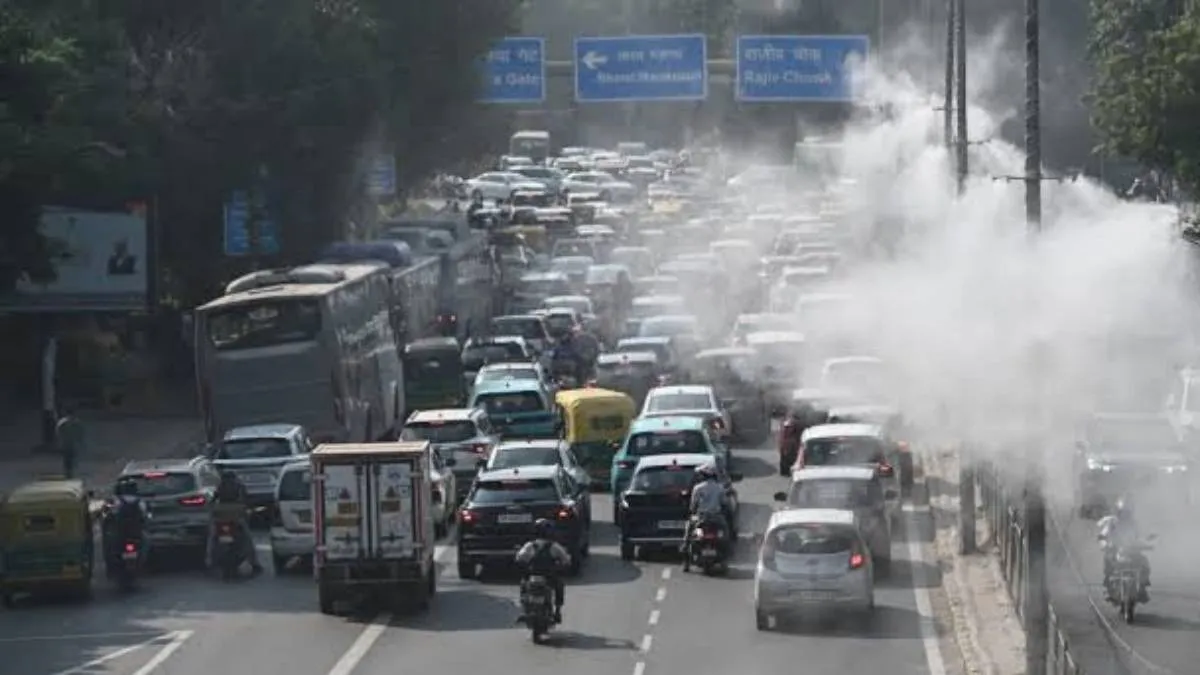
Delhi-NCR is experiencing a sudden drop in air quality days before Diwali, with pollution levels soaring dramatically in just four days, with the average Air Quality Index (AQI) rising from 124 on October 30 to 256 on October 31. It jumped further to 369 on November 1 and 393 on November 2.
After clean air due to October rainfall, the national capital is once again grappling with toxic smog, thus igniting concerns about an initial arrival of the annual winter pollution crisis.
The worsening situation is aggravated by an amalgamation of local emissions, stubble burning in from adjoining states, unfavourable weather state and possibly from agricultural fires in Pakistan.
Even more than Delhi, Ghaziabad's air turned extremely toxic on Tuesday morning, November 3, with the AQI crossing 500 and rising well above Delhi's. Ghaziabad witnessed an AQI of 516 at 8:31 am, its maximum reading in the last 24 hours, according to AQI.in data.
Delhi, meanwhile, was behind with an AQI of 456 at the same time.
Delhi AQI Jumps From 124 to Above 400 in 96 Hours
According to AQI.in data quoted by India Today, Delhi's AQI rose from 124 on October 30 to 256 on October 31 as it accentuated further to 369 on November 1 and 393 on November 2.
By November 3, the levels have reached 400, thus entering the severe pollution category on some monitoring parameters.
The swift degradation has also impacted adjoining Delhi-NCR cities, including Noida, Ghaziabad and other urban centres, which is also witnessing bad air quality and lowered visibility.
Related Stories
Why Is Delhi's Pollution Increasing So Rapidly?
The improvement after October rainfall was temporary. Rain helped wash pollutants out of the atmosphere, while powerful winds dispersed accumulated pollution.
However, dry weather and weakening winds have triggered emissions from vehicles, industries, construction activities, road dust and waste burning to accumulate near the ground.
Reduced temperatures and poor atmospheric ventilation are escalating the situation, especially during nighttime and wee hours.
Pakistan Farm Fires: Are They Adding to Delhi's Pollution?
A sudden rise in stubble-burning occurrences in Pakistan's Punjab has emerged as another pressing area. According to satellite data from NASA's Fire Information for Resource Management System (FIRMS), Pakistan's Punjab recorded 13,241 agricultural fire detections between October 1 and 29, compared with 3,158 in India's Punjab, which signals more than four times the number of identifications.
Northwesterly winds could transfer smoke from agricultural fires across Punjab and Haryana towards Delhi-NCR. However, the definite link of Pakistani farm fires to Delhi's pollution cannot be developed from fire counts alone.
Delhi-NCR Sees GRAP-II Restrictions Before Diwali
With pollution levels degrading, authorities have introduced Stage II measures under the Graded Response Action Plan (GRAP) across NCR. Wich includes moves like increased road cleaning, vehicle bans, no fuel for vehicles without pollution certificates, water sprinkling, anti-smog guns and tighter monitoring of construction activities.
Will Delhi Get Relief Before Diwali?
The next few days remain vital as persisting farm fires, weak winds, dipping temperatures and extra firecracker emissions could escalate pollution levels.
Unless weather conditions improve and local emissions degrade, Delhi-NCR residents may face another harsh spell of hazardous winter air. However, green crackers have been allowed instead of toxic pollutant crackers.