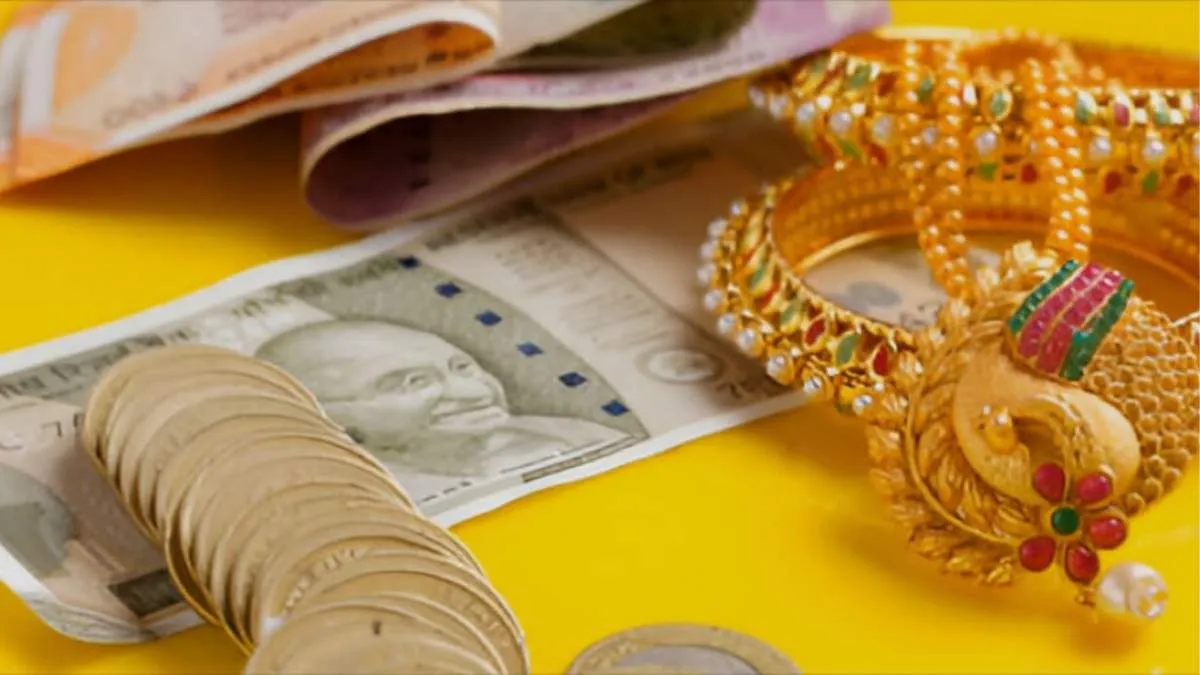
The Indian tax rules do not describe a general upper limit on cash or precious metals, but taxpayers must be able to tell the source of their money and assets, which is especially crucial ahead of Diwali and Dhanteras 2026.
How Much Cash Can You Keep at Home in India Under Income Tax Rules?
There is no legal upper limit on the amount of cash a person can store at home in India. Whether it is ₹1 lakh, ₹10 lakh or more, possession alone is not a crime. The integral condition is that the money must be derived from legal, officially allowed, explainable sources, such as disclosed income, savings, business receipts or recorded gifts.
Under the Income-tax Act, 2025, which was implemented on April 1, 2026, Section 186 limits cash receipts of ₹2 lakh or more from a person in definite circumstances, including a single transaction, a day or an event. Section 185 forbids accepting loans or deposits of ₹20,000 or more in cash.
For businesses, cash expenses over ₹10,000 paid to a person in a day may not be permitted as deductions, depending on applicable exceptions. Banks also report cash deposits of ₹10 lakh or more in savings accounts during a financial year. For present accounts, the reported limit for deposits or withdrawals is ₹50 lakh.
Related Stories
Gold Jewellery: What Are the 500g, 250g and 100g Rules?
The Central Board of Direct Taxes (CBDT), through Instruction No. 1916, offers prescribed jewellery quantities that tax officials commonly should not seize during searches: 500 grams for a married woman, 250 grams for an unmarried woman and 100 grams for a male member.
These are per-person search and seizure guidelines, not legal ownership limits or automatic tax exceptions. There are no statutory restrictions on gold jewellery if its acquisition can be justified through income, inheritance, marriage gifts or other legal sources.
The CBDT's 2016 clarification also stated that officers may focus on family customs and traditions while determining whether to seize jewellery beyond these quantities. Gold coins, bars and bullion should not automatically be treated as jewellery covered under these rules.
How Much Silver Can You Keep at Home?
Unlike gold jewellery, CBDT Instruction No. 1916 does not mention definite weight limits for silver. According to tax experts quoted by The Economic Times, individuals can keep any amount if they can properly justify its source.
In a latest Mumbai ITAT case, the tribunal deliberated upon the family's circumstances and accepted the explanation for silver-mix articles weighing 11.2 kg. However, this decision was based on circumstantial facts and does not create a standard permissible guideline.
Documents You Should Keep during Income Tax Inquiry
To avoid complications during an Income Tax inquiry, keep purchase invoices, bank statements, inheritance documents, gift records, wills and other proofs of ownership. Also collect records of cash withdrawals and disclosed income.
Eventually, the quantity of cash, gold or silver is not a pressing concern. The ability to justify its legitimate source is what counts.