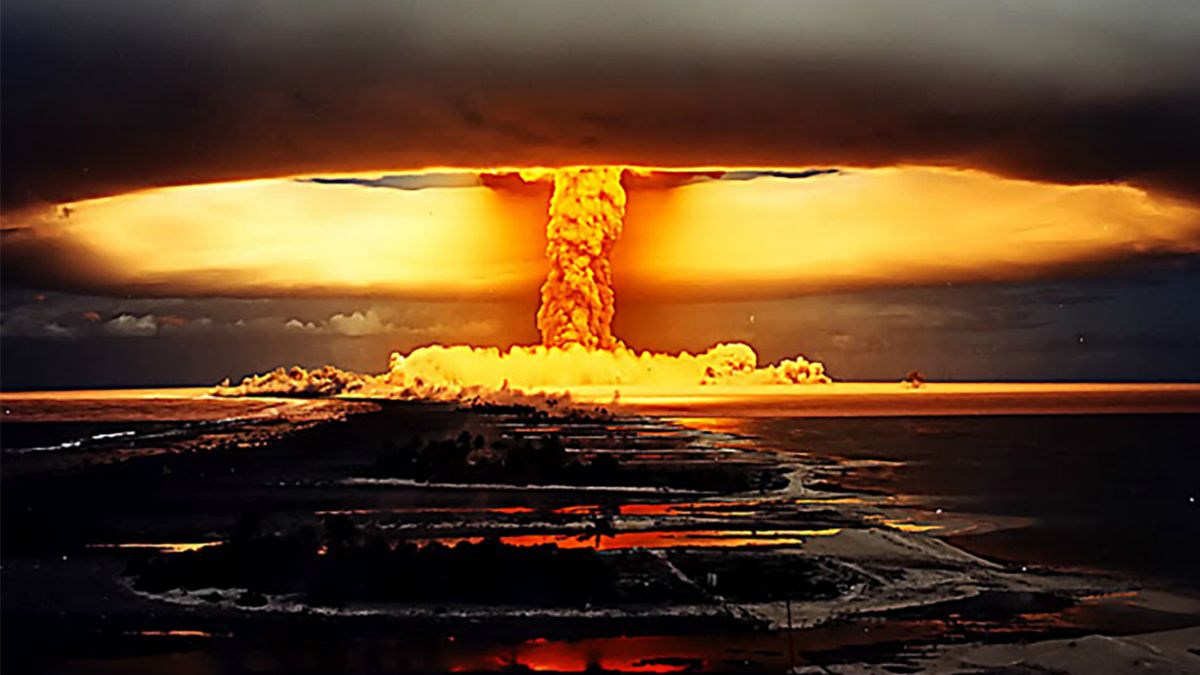
Every year, Hiroshima Day is observed on 6 August to commemorate the atomic bombing of the Japanese city of Hiroshima in 1945.
The day serves as a solemn reminder of the devastating human cost of nuclear weapons and reinforces the global call for peace and nuclear disarmament.
On 6 August and 9 August 1945, two cities in Japan, which are Hiroshima and Nagasaki, were the only places in the world where the atomic bomb was used.
This incident occurred during World War II, and after the atomic bombing of these two Japanese cities of Japan, the scenario of the Second World War was completely changed, and the thinking about nuclear weapons got a new direction worldwide.
Today, the United Nations and many other nations remember these events to spread the message of peace, nuclear disarmament, and preventing such tragedies from happening again.
Hiroshima and Nagasaki at a Glance
|
Fact
|
Hiroshima
|
Nagasaki
|
|
Date of Bombing
|
6 August 1945
|
9 August 1945
|
|
Time
|
8:15 AM
|
11:02 AM
|
|
Country
|
Japan
|
Japan
|
|
Type of Bomb
|
Uranium bomb ("Little Boy")
|
Plutonium bomb ("Fat Man")
|
|
Used in War?
|
Yes
|
Yes
|
|
Historical Importance
|
First atomic bomb used in war
|
Second and last atomic bomb used in war
|
Timeline of Events
|
Date
|
Event
|
|
6 August 1945
|
Atomic bomb dropped on Hiroshima
|
|
9 August 1945
|
Atomic bomb dropped on Nagasaki
|
|
15 August 1945
|
Japan announced its surrender in World War II
|
|
24 January 1946
|
The UN General Assembly adopted its first resolution, calling for the elimination of atomic weapons.
|
7 Facts About the Atomic Bombing of Hiroshima and Nagasaki
1. Hiroshima and Nagasaki are the only two cities where an atomic bomb was used in the world
The atomic bombings of Hiroshima and Nagasaki are the only two cities in the world where nuclear weapons were used.
Due to this massive incident, countries around the world have worked on reducing and preventing the use of nuclear weapons in wars.
|
Did You Know
No nuclear weapons have been used since 1945.
|
2. Explosion of the bomb above the cities
This explosion of the atomic bomb not only hit the ground but also exploded hundreds of meters above the cities.
These explosions released:
-
Extreme heat wave
Powerful blast wave
Also released harmful radiation
3. Hundreds of Thousands of People Lost Their Lives
Thousands of people lost their lives after the explosions and fires. After the explosion, many others lost their lives later due to:
-
Severe burns on their body
-
Due to injuries
-
Radiation-related illness
According to the United Nations, about 200,000 people lost their lives immediately, while many more later died because of radiation exposure.
Impact in Number
|
Impact
|
Hiroshima
|
Nagasaki
|
|
Immediate destruction
|
Very high
|
Very high
|
|
Buildings damaged
|
Most of the city
|
Large parts of the city
|
|
Long-term health effects
|
Radiation-related illnesses
|
Radiation-related illnesses
|
4. Radiation Continued to Affect Survivors
Even after the atomic bombing in Hiroshima and Nagasaki, the radiation effects remain, and there continues to be a release of radiation in both cities.
Many people from Hibakusha, Japan, who survived from this incident, still face many health-related issues, like
-
Cancer
-
Blood disorders
-
Eye diseases
-
Other long-term illnesses
5. This Atomic Bombing Changed World History
After the atomic bombing in Hiroshima and Nagasaki, Japan surrendered in World War II, which brought an end to the Second World War.
This incident is also marked by the beginning of the nuclear age, and many nations started developing nuclear technology and nuclear weapons.
6. United Nations Promotes a World Without Nuclear Weapons
After this incident, the United Nations say that the destruction in Hiroshima and Nagasaki shows why nuclear weapons are very dangerous.
The United Nations also promotes the countries to:
-
Reduce nuclear weapons
-
Prevent their spread, and use
-
Support peaceful talks and get the solution for any conflicts
Because using nuclear weapons, it will direclty effect to human lives and the surrounding biotic environment.
7. Hiroshima and Nagasaki are known as Symbols of Peace
Today, Hiroshima and Nagasaki have been rebuilt, and these both cities of Japan are known as the Symbols of Peace.
Hiroshima and Nagasaki are known to promoting:
-
Peace
-
Education
-
Nuclear disarmament
-
Hope for future generations
Which countries have nuclear weapons?
At present, there are 9 countries in the world that have nuclear weapons, and the list of 9 coutries ar egiven below in the table:
|
Countries
|
No.of Warheads
|
|
Russia
|
5420
|
|
USA
|
5042
|
|
China
|
620
|
|
France
|
370
|
|
United Kingdom
|
225
|
|
India
|
190
|
|
Pakistan
|
170
|
|
Israel
|
90
|
|
North Korea
|
60
|
The atomic bombings on Hiroshima and Nagasaki are still remind the devasting effect of nuclear weapons. So, every year on on 6 August and 9 August, are rembered for this event and helps people understand the importance of peace, international cooperation, and efforts to prevent nuclear war.