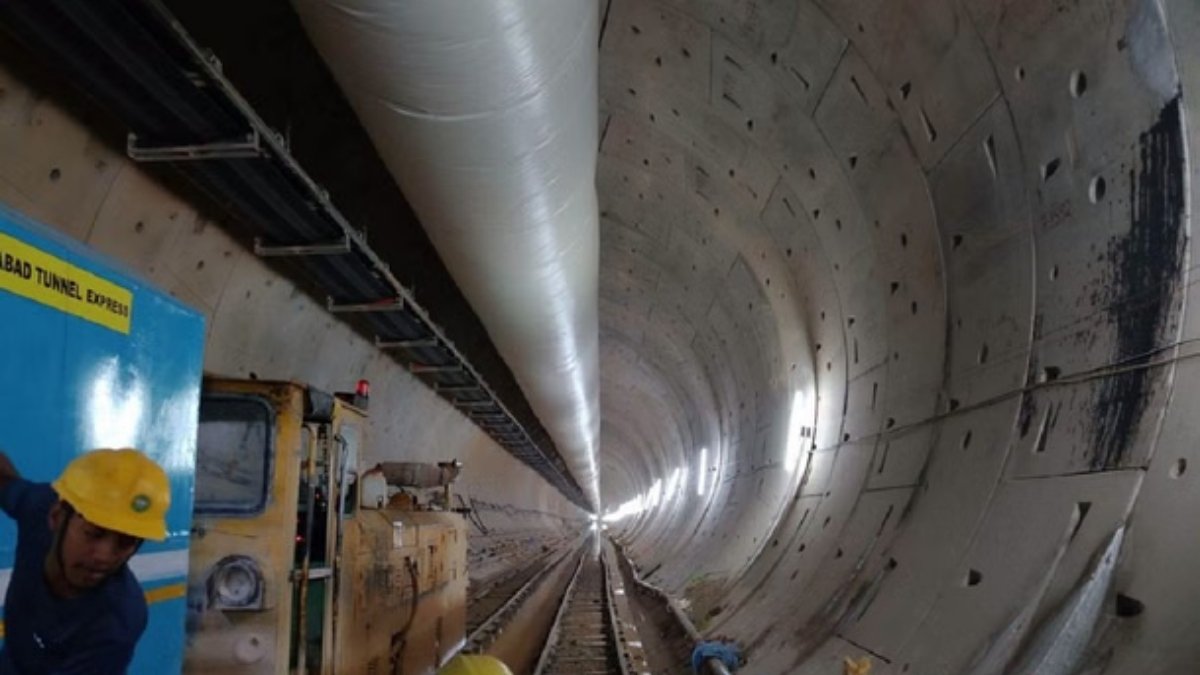
Madhya Pradesh has completed the construction of Sleemanabad water tunnel as India’s longest underground water tunnel after 18 years of work. The 11.9 kilometer irrigation chanel in Katni district links the Narmada River directly to the Son river basin. The water within the underground tunnel moves naturally through gravity without using large pumps.
This irrigation system will carry water from the Bargi reservoir to 2.45 lakh hectares of land as per the official state reports and will help around 1450 villages across six districts that face frequent droughts or water shortage.
Geological Challenges of India’s Longest Underground Water Tunnel Construction
Construction on this underground irrigation channel began back in 2008 under the Bargi Diversion Project. But the Sleemabad water tunnel construction got slowed down due to workers facing difficult underground rock layers.
These were the main challenges that engineers had to face while constructing the tunnel:
- Drilling through solid marble, limestone, and hard dolomite rock.
- Dealing with high pressure underground water leaks.
- Managing empty rock pockets, unstable ground, and natural carbon dioxide gas releases.
How Engineers Solved Tough Underground Problems
Teams used advanced tunnel boring machines (TBMs). They pumped cement grout into loose soil, ran high capacity drainage systems to solve these issues.
The crews at the end completed the digging beneath roads, railway tracks, and towns without damaging anything above. All while working 20 to 40 meteres below ground level.
| Details | Facts about India’s Longest Underground Tunnel Project |
| Project Name | Sleemanabad Tunnel (Bargi Project) |
| Length | 11.9 km |
| Flow System |
100% Gravity Flow
(No electric pumps needed)
|
| Water Path | Bargi Dam (Narmada River) to Son River Basin |
| Districts Helped |
Jabalpur,
Katni,
Satna,
Maihar,
Rewa, and
Panna
|
| Irrigation Area | 2.45 Lakh Hectares (~1,450 villages) |
Better Irrigation for Local Farmers
The primary aim of the Sleemanabad tunnel is to bring reliable water to dry farming areas across the Vindhya region. Water flows downhill naturally in Vindhya region. So the system saves electricity while transferring extra river water to dry fields.
Local experts expect this steady supply to help farmers in districts like Rewa and Satna grow crops multiple times a year.
Key Facts About Sleemabad Water Tunnel Project
- Connects the Narmada and Son river basins through a first man made underground route.
- Unseen underground rock issues and long delays increased total spending to about ₹1,600 crore.
- Relies entirely on continuous natural slope gradients to save electricity every day.
The Sleemanabad tunnel completion marks a major improvement for regional infrastructure and farming. And its reliance on gravity to carry river water across difficult mountain terrain has created a long term water solution for six rural districts of Madhya Pradesh.