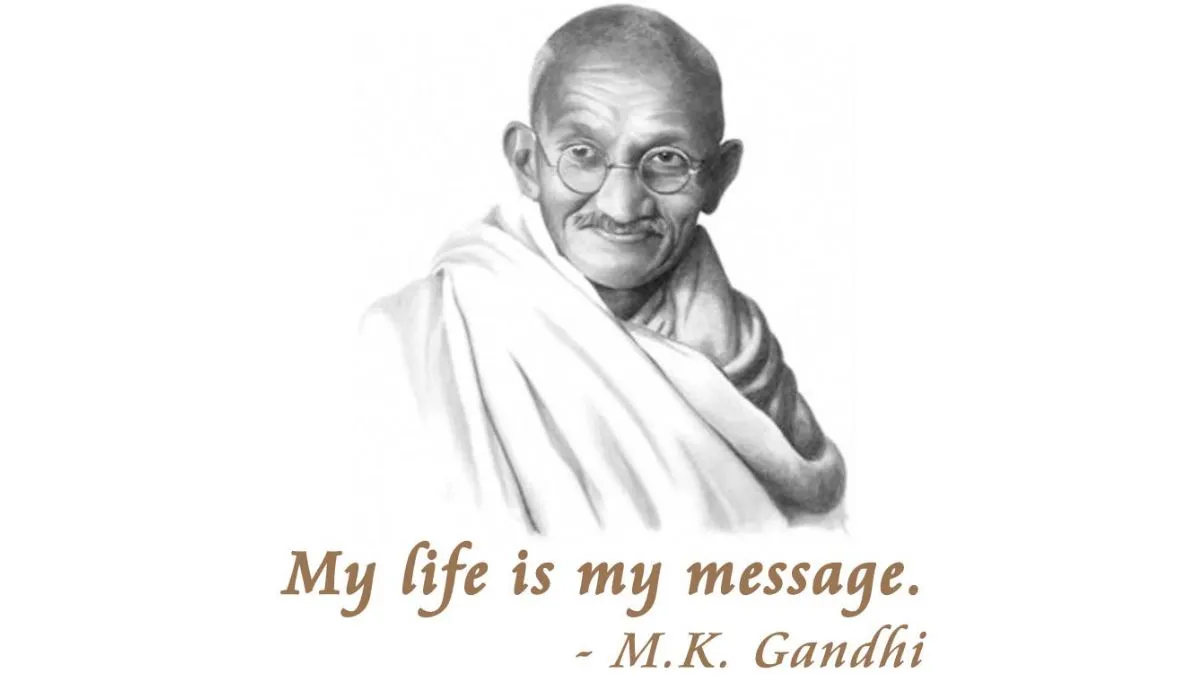
On every 2nd October, the International Day of Non-Violence is celebrated all over the world to honour the birth of Mahatma Gandhi, who was born on 2nd October 1869, in Porbandar, Gujarat, India. His full name is Mohandas Karamchand Gandhi.
He was a great leader and had a philosophy of non-violent resistance. He led major non-violent movements in India, including the Champaran Satyagraha (1917), the Ahmedabad Mill Strike (1918), the Kheda Satyagraha (1918), the Non-Cooperation Movement (1920), the Civil Disobedience Movement (1930) and the Quit India Movement (1942).
He always tries to inspire the people and institutions by disseminating the message of non-violence, strengthening dialogue, and always trying to advance a culture of peace and understanding about India.
So, let’s explore the major non-violent movements led by Mahatma Gandhi (Bapu) in India in detail.
Who Was Mahatma Gandhi?
Mahatma Gandhi, who is also referred to as the “Father of the Nation", was born on 2 October 1869 in Porbandar, Gujarat.
He was also called “Bapu”, and he had great leadership qualities, and he always practised non-violence throughout his entire life.
Before he started major non-violent movements in India, he used Satyagraha inin South Africa, where he fought against unfair treatment of Indians.
Then, he returned to India in 1915, where his political influence grew, and he led many non-violent movements in the struggle for Indian independence.
Gandhi Jayanti Quiz 2026: 50+ GK Questions And Answers on Mahatma Gandhi For Students
What Is Non-Violence?
Non-Violence is called 'Ahimsa', which means you do not hurt people with your physical strength, your words, or your actions or thoughts.
Gandhi Ji always try to inspire the people that if people have to fight with anyone, then they must refuse it by obey, by fasting, by marching peacefully, or by going on strike.
Mahatma Gandhi Biography: Family, Education, History, Movements, and Facts
Major Non-Violent Movements Led by Mahatma Gandhi (Bapu) in India
These are the major non-violent movements led by Mahatma Gandhi (Bapu) in India, given below in the table:
|
S. No.
|
Movement Name
|
Year
|
Location
|
Target
|
|
1
|
Champaran Satyagraha
|
1917
|
Bihar
|
Indigo Farmers
|
|
2
|
Kheda Satyagraha
|
1918
|
Gujarat
|
Tax Relief
|
|
3
|
Ahmedabad Mill Strike
|
1918
|
Gujarat
|
Mill Workers
|
|
4
|
Rowlatt Satyagraha
|
1919
|
Nationwide
|
Unfair Laws
|
|
5
|
Non-Cooperation Movement
|
1920–1922
|
Nationwide
|
Boycott British Goods
|
|
6
|
Civil Disobedience Movement
|
1930–1934
|
Nationwide
|
Salt Tax Protest
|
|
7
|
Individual Satyagraha
|
1940–1941
|
Nationwide (selected individuals)
|
Freedom of Speech
|
|
8
|
Quit India Movement / August Kranti
|
1942
|
Nationwide
|
"Do or Die" through peaceful means
|
Major National Non-Violent Movements (British Era)
1. Champaran Satyagraha (1917)
-
Location: Bihar
-
Context: Gandhi's first active Satyagraha in India. It was organized to protest against the oppressive Tinkathia system, which forced indigo farmers to cultivate indigo on a portion of their land at unremunerative prices.
2. Kheda Satyagraha (1918)
-
Location: Gujarat
-
Context: A campaign organized by Gandhi and Vallabhbhai Patel to support peasants whose crops failed due to drought and plague, demanding a remission of land revenue taxes from the British administration.
3. Ahmedabad Mill Strike (1918)
-
Location: Gujarat
-
Context: A peaceful hunger strike and labor movement led by Gandhi involving cotton mill workers demanding a fair wage hike and resolution of the "Plague Bonus" dispute.
4. Rowlatt Satyagraha (1919)
-
Scope: Nationwide
-
Context: Gandhi's first nationwide mass struggle organized against the repressive Rowlatt Act, which allowed detention of Indians without trial. It involved nationwide hartals (strikes), fasting, and peaceful protests.
5. Non-Cooperation Movement (1920–1922)
-
Scope: Nationwide
-
Context: Launched under the leadership of the Indian National Congress to renounce titles, boycott British goods, government schools, and courts, and adopt Swadeshi. It was abruptly suspended by Gandhi after the violent Chauri Chaura incident.
6. Civil Disobedience Movement (1930–1934)
-
Scope: Nationwide
-
Context: Sparked by the famous Salt March (Dandi March) against the unjust salt tax. Millions of Indians openly flouted colonial laws by making salt, boycotting foreign cloth, and refusing to pay taxes.
7. Individual Satyagraha (1940–1941)
-
Scope: Nationwide (Selected individuals)
-
Context: Initiated by Gandhi to affirm freedom of speech against India's forced participation in World War II without public consent. Leaders offered peaceful individual arrest one by one.
8. Quit India Movement / August Kranti (1942)
-
Scope: Nationwide
-
Context: Though the British brutally suppressed it and parts of it turned violent despite Gandhi's call for "Do or Die" through peaceful means, it marked the final mass mobilisation demanding an immediate end to British rule.
So, these were the major non-violent movements led by Mahatma Gandhi (Bapu) in India, through these non-violent movements, he always try topeople to follow the non-violence rule in their life.