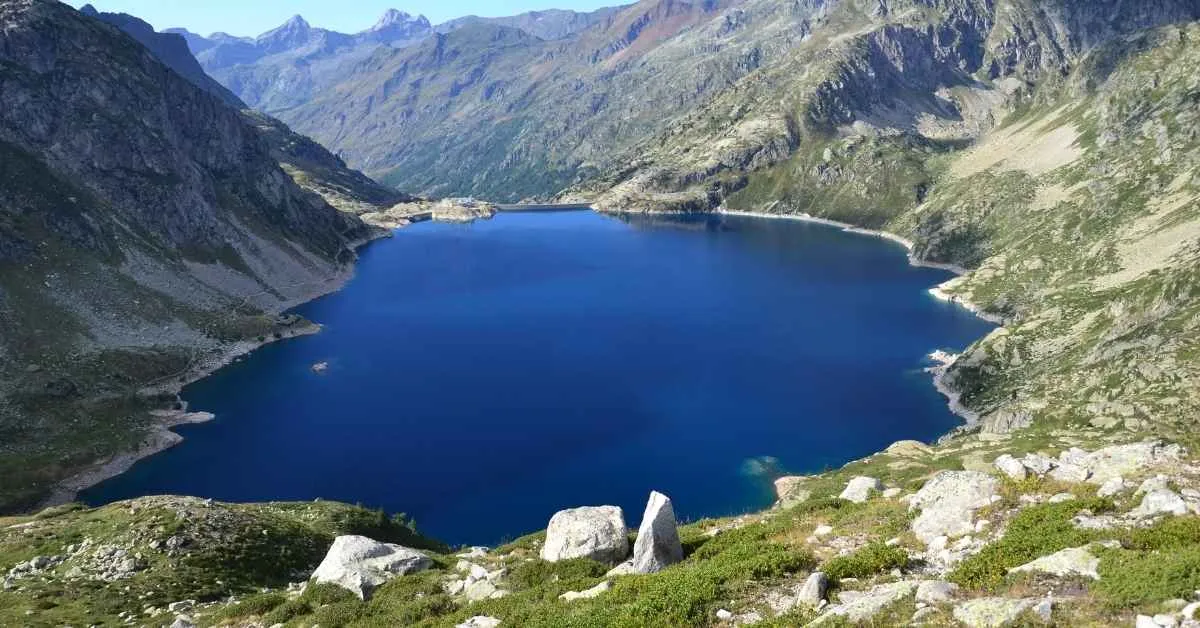
In a historic step towards high altitude ecological restoration, the Union Territory administration of Ladakh has commenced an extensive engineering project aimed at reviving the Tso Kar Lake which has been rapidly diminishing in size. Once covering over 11,000 acres. The famed wetland habitat has come down by 70% to 3,200 acres in just over a decade.
In order to tackle the ecological crisis, the authorities will pipe almost 320 million litres (132 cusecs) of untapped melt water from the high altitude river Rupsho Kharnak daily. The project aims to restore the lake to its original condition while protecting the livelihoods of local people and habitats for migratory birds.
Key Highlights Project and Engineering Features
-
The supply of water: The high ternal stream Rupsho Kharnak Glacier obtained by the engineers at an altitude of 18,045 ft earlier flowed down into the river Indus unused.
Natural filtration system: The water is filtered through three natural depression reservoirs with 270, 24 and 10 acres, so that by natural means sediments are settled and clean water reaches the lake.
Cheap and efficient design: The project depends on the principle of the construction of earthen channels using gravity and makes use of the abandoned infrastructure of 1995 without leaving a carbon footprint.
Geographical Feature of Tso Kar Lake: Ecological and Strategic Features
-
Location and Plateau: Tso Kar meaning "White Lake", is a changeable salt lake located in the Rupshu Valley and Plateau in Changthang area of southern Ladakh state, India, roughly 150-160 km to the south from Leh.
Height and Elevation: It is at a significant high-altitude position of approximately 4,530 meters or 14,860 feet above sea level.
Twin lake system: This lake is connected with Startsapuk Tso, which is a smaller freshwater lake located southwest of Tso Kar.
Origin of name and salt crust: The name of the lake comes from the thick white salt crust deposited along its edges when the water evaporates. This basin was used as a source of salt and traded by Changpa nomads with Tibet in the past.
Ramsar Wetland: Tso Kar Wetland Complex was designated India’s 42nd Ramsar site in November 2020 and is recognized as a wetland of international significance.
Ecological Importance
This region of the world has been designated as one of the key stopover sites on the Central Asian Flyway and a significant breeding place for endangered migratory birds, including especially the black-necked crane (Grus nigricollis) but also the bar-headed goose.
The great crested grebe and the brown-headed gull. It is also home to some other endangered cold desert species like the kiang.
In addition to restoring an important Ramsar wetland and expanding habitats for endangered migratory birds like the black-necked crane. This initiative embodies climate resiliency, cold desert ecological management and sustainable development. It involves securing the grazing lands of local Pashmina herders while ensuring their subsistence.