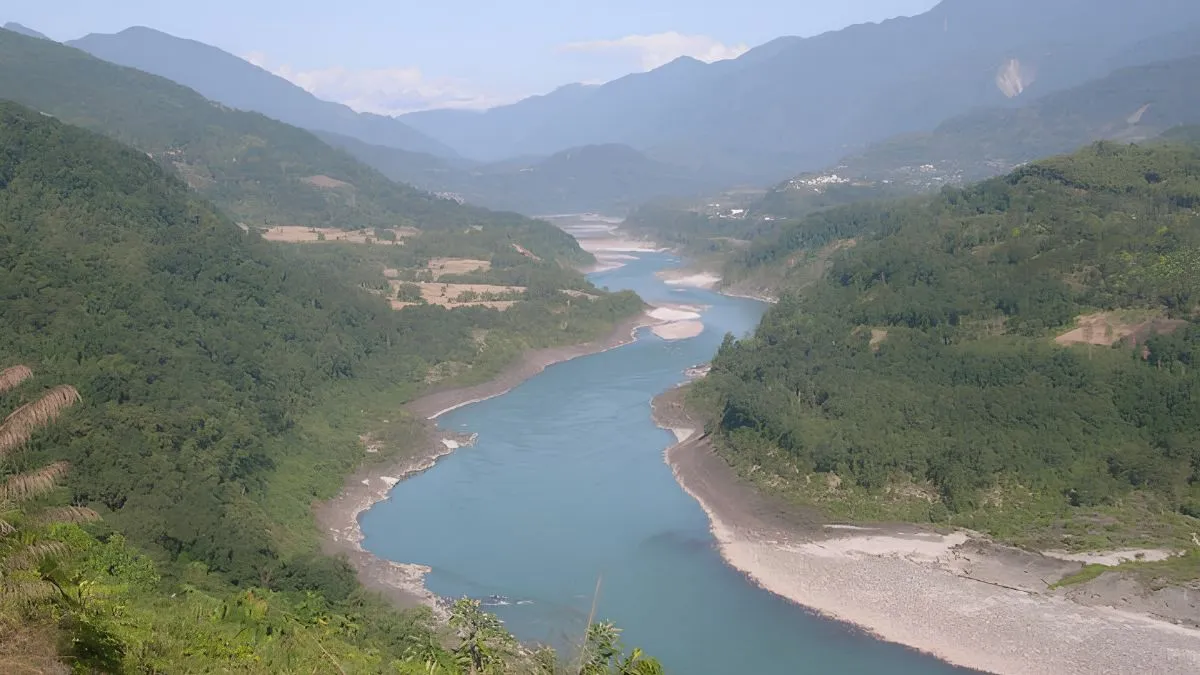
India is home to hundreds of rivers. One such river is the Siang River, which is situated in Arunachal Pradesh. The river has been in the spotlight recently because of the proposed Siang Upper Multipurpose Project (SUMP) project on it. It is also a key tributary to Brahmaputra river.
The Siang River holds significant geographical and economic importance in the region because of its location and potential uses in agriculture, hydropower generation and other activities. Let us explore the key details about this river, including its origin, location, length and importance.
Siang River: Origin and Course
The Siang River originates from the Tibetan Plateau, where it is called Yarlung Tsangpo River. The Siang flows eastward and enters India at the vicinity of Arunachal Pradesh.
After coming into the state, it flows for about 230 km southward to reach Pasighat. It then flows down further to join the Dibang and Lohit Rivers in order to form Brahmaputra River.
Related Stories
Key Details About Siang River
|
Particulars
|
Details
|
|
River Name
|
Siang River
|
|
Origin
|
Tibet
|
|
Original Name
|
Yarlung Tsangpo
|
|
Indian State
|
Arunachal Pradesh
|
|
Length in Arunachal Pradesh
|
Approximately 230 km
|
|
Major Rivers Joining It
|
Dibang and Lohit
|
|
River System
|
Brahmaputra River System
|
Where does the Siang River start from?
The Siang River originates from the Tibetan Plateau, which is known as the Yarlung Tsangpo. The river starts flowing towards the east side of Tibet and after that enters into India via Arunachal Pradesh.
Through Which States Does the Siang River Flow?
The Siang River starts from Tibet and flows eastwards before entering India near Arunachal Pradesh. It then travels approximately 230 km through the state before reaching Pasighat. From there, it flows downstream towards Assam, where it joins the Dibang and Lohit rivers to form the Brahmaputra.
River Course: Tibet - Arunachal Pradesh - Assam (where it becomes the Brahmaputra)
Why is the Siang River Important?
1. Agriculture
The Siang River holds crucial importance for agricultural farming in the region as its water resources support irrigation in nearby areas. The river and its surrounding fertile regions also support vegetation and various agricultural activities.
2. Hydropower Generation
The River has potential for electricity generation due to the steep slopes in the region. This could help meet the energy requirements of Arunachal Pradesh and other parts of the region.
3. Water Resources
Siang River serves as an important source of water for people living along its course. Its water resources support domestic needs, agricultural activities and other requirements, making it a crucial natural resource for the region.
4. Biodiversity
The Siang River is also home to various aquatic and terrestrial life. The river and its surrounding areas support different species of plants and animals, making it an important part of the region's natural ecosystem.
5. Brahmaputra River Basin
It is one of the major headstreams of the Brahmaputra River. It joins the Dibang and Lohit rivers in Assam to form the Brahmaputra, making it an important part of the river system.
Also READ: Which River Flows Through the Valley of Flowers?
What is River Sand Mining? What Has the Supreme Court Recommended to Stop It?