UPI MDR Charges: All UPI users do not have to pay a separate transaction fee even after the new Merchant Discount Rate framework.
These charges are for certain payments that are above 2,000 rupees, and this framework is set to be implemented from October 15, 2026.
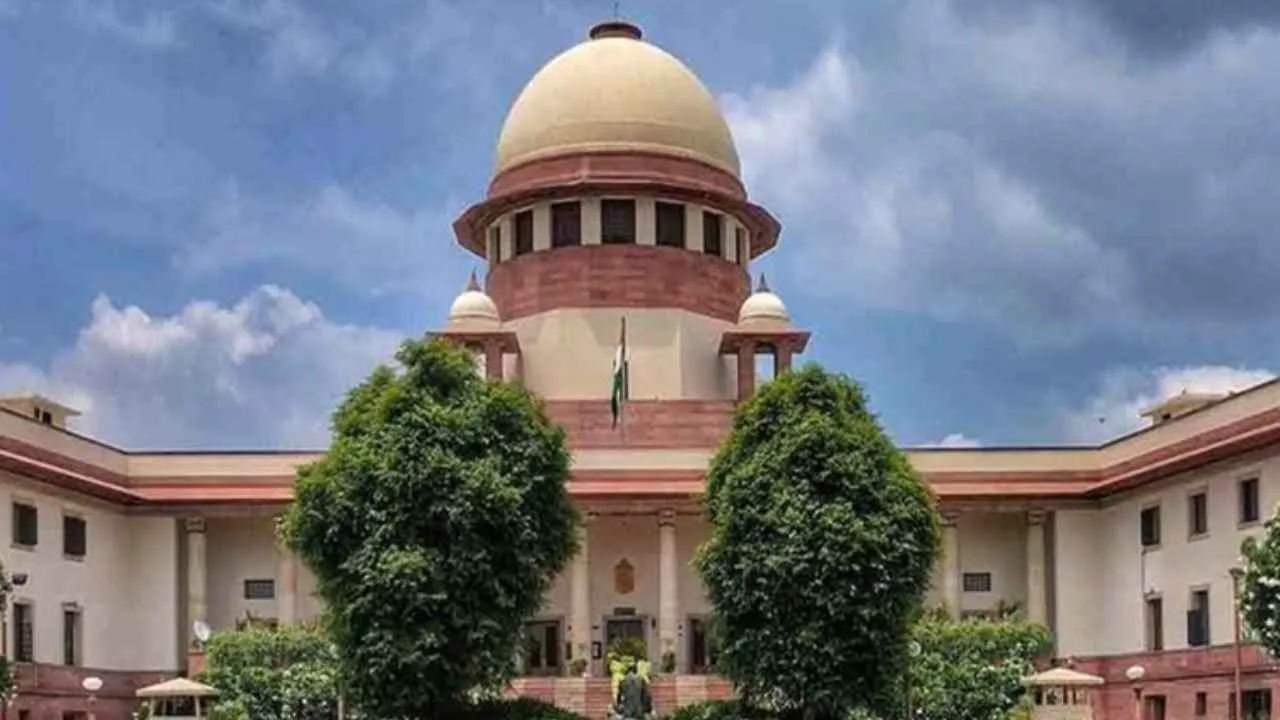
After this was introduced, there were many who challenged it in the Supreme Court. The Supreme Court has refused to stay the new system while hearing a challenge against it. The court has asked the Centre, RBI and NPCI to respond within four weeks. The case has raised questions about the legal basis of the new charge and its impact on merchants.
What Did The Supreme Court Decide On UPI MDR?
The Supreme Court of India has said no and refused to put an interim stay on the new MDR framework for specified UPI person-to-merchant (P2M) transactions above 2,000.
So, the rollout is still planned and going on like it has to be. The new UPI MDR framework will be implemented as it was going to on 15 October 2026.
Also, for better understanding, the court has asked the Centre, RBI and NPCI to respond with needed documents to the challenge. The time granted by the SC is within four weeks.
The Centre has maintained that MDR is neither a tax nor a fee collected by the government. Instead, the amount will remain within the payment ecosystem.
For now, the October 15 implementation date remains unchanged. It will only change if the court or government announces any further changes.
What Is The New UPI MDR Framework?
The new UPI MDR framework brings changes to how certain merchant transactions are charged. While customers are not required to pay a separate fee, the framework introduces specific MDR rates, caps and exemptions for different types of UPI payments.
|
Feature
|
Framework Details
|
|
MDR Rate
|
0.4% MDR applies to specified Person-to-Merchant (P2M) UPI transactions above ₹2,000.
|
|
MDR Cap
|
Capped at ₹300 for high-value transactions of ₹75,000 and above.
|
|
Who Pays?
|
It is strictly a merchant-side charge; customers do not pay it directly.
|
|
UPI App Charges
|
Payment apps are prohibited from imposing separate platform or convenience fees under this framework.
|
|
Person-to-Person (P2P) UPI
|
Continues to remain 100% free, regardless of the transfer amount.
|
|
Merchant Payments Up To ₹2,000
|
Remain completely exempt from the standard MDR framework.
|
|
Specified Merchant Payments Above ₹2,000
|
Subject to the standard 0.4% MDR.
|
|
Transactions Of ₹75,000 And Above
|
MDR is capped at a maximum of ₹300 per transaction.
|
|
Small Merchants
|
Eligible vendors earning up to ₹1 lakh/month via UPI QR payments remain under zero MDR.
|
|
Customer Charges
|
The new MDR cannot be separately collected or passed on to customers.
|
How Will The New UPI MDR Impact You?
For most UPI users, there is no immediate change in the amount debited from their bank accounts.
Key Impact On UPI Users
-
No separate customer charge: The 0.4% MDR is a merchant-side charge and is not supposed to be separately collected from customers.
₹10,000 payment example: A ₹10,000 eligible merchant payment would attract ₹40 MDR, but customers should not pay this ₹40 separately.
Higher-value payments: The impact could be more visible for larger UPI purchases.
Merchant decisions: Some merchants may decide how to handle the additional processing cost.
Merchant concerns: Some traders and fuel-pump dealers have raised concerns about accepting higher-value UPI payments once the framework begins.