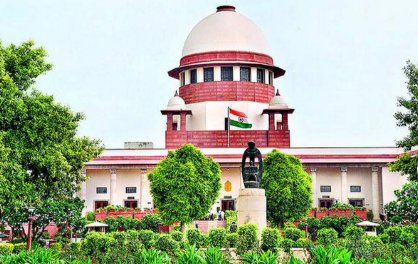
Supreme Court Delhi Protest Hearing: The Supreme Court on Sunday directed authorities to ensure that peaceful and unarmed protesters are not illegally detained and that Delhi Metro and railway services continue to operate normally, unless restrictions are necessary to maintain public order. The directions came during a special hearing on petitions concerning police action, alleged detentions and restrictions imposed in Delhi amid protests against Chief Election Commissioner Gyanesh Kumar.
A bench of Justices Joymalya Bagchi and V. Mohana also directed authorities to review barricades across the national capital and ensure the free movement of people, subject to traffic regulations. The court further said that internet services should remain undisturbed, while clarifying that authorities can exercise their statutory powers where required by law.
Also Read l NEET PG 2026 Counselling LIVE
Supreme Court Directs No Illegal Detention of Peaceful Protesters
During the special Sunday hearing, the Supreme Court said there should be no detention except in accordance with the procedure established by law, particularly in relation to peaceful and unarmed gatherings outside areas where prohibitory orders are in force.
The direction came after petitions raised allegations of preventive detention and police action against protesters, political leaders, lawyers, journalists and other individuals during Saturday's demonstrations in Delhi.
Delhi Metro, Rail Services to Function Normally
The Supreme Court also directed authorities to ensure that metro and rail facilities function normally, unless restrictions are required because of a disturbance to public order.
The issue came before the court after allegations that public transport services had been significantly restricted during the protests despite an earlier Supreme Court direction against a complete prohibition on metro and railway services.
The court's latest direction seeks to balance security requirements with the need to ensure that residents and commuters can continue to use essential public transport facilities.
Supreme Court Orders Review of Delhi Barricades
The bench directed authorities to review the need for barricades across Delhi, keeping law-and-order and traffic conditions in mind.
The court said that the free movement of people should be permitted subject to traffic regulations. The directions come amid extensive security arrangements and barricading in several parts of Delhi following the protests.
The court also directed authorities to remove boards or notices concerning the imposition of Section 163 around the Supreme Court premises, if they had not already been removed, to ensure that lawyers and litigants did not face apprehension about accessing courts.
Internet Services Should Remain Undisturbed
The Supreme Court further said that internet facilities should remain undisturbed.
However, the bench clarified that the direction does not take away the administration's statutory powers under applicable laws. Authorities can continue to act under the law if circumstances warrant such action.
The court's direction came amid complaints concerning disruptions to communication and public services during the protests.
Why Did the Supreme Court Hear the Delhi Protest Case?
The special hearing followed petitions challenging restrictions imposed in Delhi during protests against Chief Election Commissioner Gyanesh Kumar.
One petition sought contempt proceedings against officials over alleged non-compliance with the Supreme Court's earlier directions regarding metro and railway services. Another petition challenged the preventive detention of opposition leaders and other individuals during the protests.
The petitions raised concerns over alleged excessive police action, detention of peaceful protesters and restrictions on movement and public transport. These allegations are subject to the court proceedings and have not been finally adjudicated.
Supreme Court on Right to Peaceful Protest
The hearing also involved the constitutional balance between the right to peaceful assembly and the state's responsibility to maintain public order.
The Supreme Court's directions emphasise that restrictions on movement and public assembly must remain within the framework of law. Peaceful and unarmed gatherings cannot be subjected to detention outside the applicable legal restrictions and procedures.