What is a Group of Rats Called?
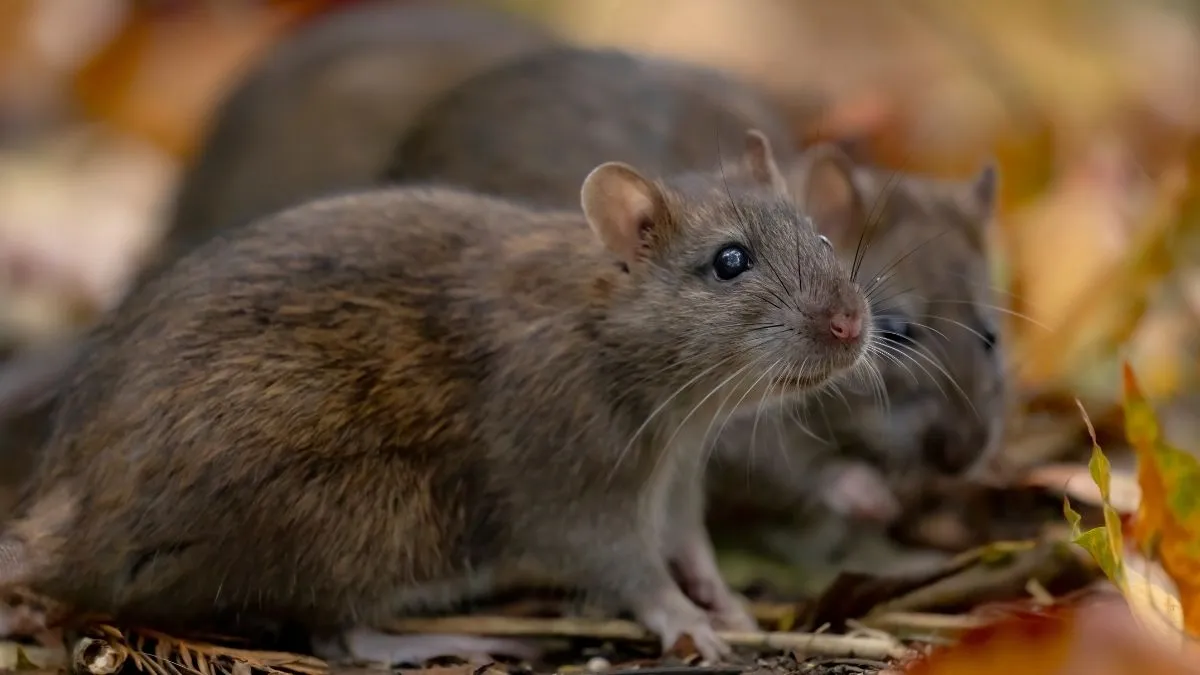
What is a group of rats called is a question that reveals the creative and sometimes dramatic history of the English language. With cities like New York and Chicago facing increased rodent activity predicted for 2025, as per reports, the collective term for a group of rats has never been more relevant to understand these clever, fast-reproducing animals.
Key Points
- A group of rats is most commonly called a "mischief."
- "Colony" describes rats nesting together in a family group.
- "Horde" describes a large, overwhelming group of rats.
What is a group of rats called? The English language is full of quirky and imaginative collective nouns, and the terms for groups of animals are often among the most fascinating. While many people are familiar with the term for a group of cats, the collective noun for a group of rats is equally descriptive and certainly memorable.
In a world where urban rodent populations remain a consistent challenge, with groups of rats invading millions of homes each year seeking food and shelter as weather patterns change, the way we refer to their collective presence is rooted in both their historical reputation and their natural behavior.
The most evocative and popular collective noun for these very social and smart rodents is "mischief," which is a word that perfectly describes them. People who are interested in the history of the English language and the nature of these common animals will find it more interesting to learn about the origins and other ways to use this collective noun.
What is a Group of Rats Called?
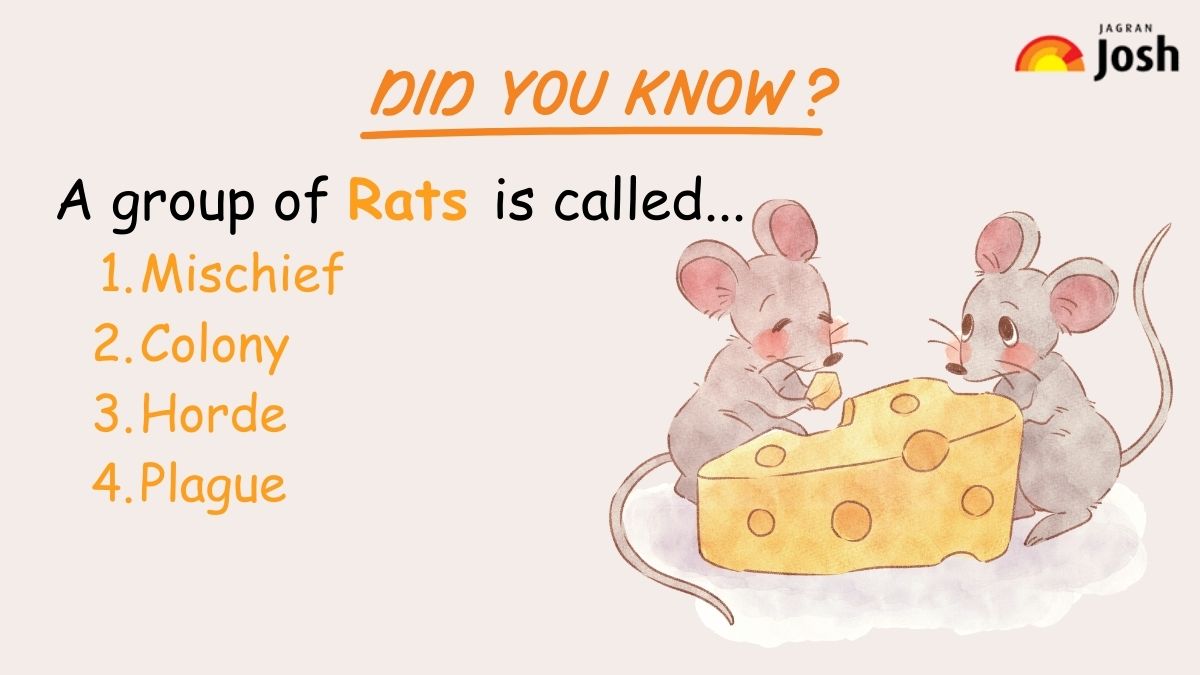
The primary and most distinctive collective noun for rats is a mischief. This term dates back to the time when many collective nouns were coined and is thought to reflect the notorious behavior of these rodents, which often involves gnawing on wires, spoiling food, and generally causing trouble.
| S.No. | Collective Noun for Rats | Context |
| 1 | Mischief | The most popular and traditional term, reflecting their troublesome nature. |
| 2 | Colony | Used in a scientific or biological context for a group living together in one nest or territory. |
| 3 | Horde | Describes a large, often overwhelming or intimidating gathering of rats. |
| 4 | Plague | Used for an extremely large group that is causing nuisance, damage, or spreading disease. |
Also Read - What is the Scientific Name of a Cat?
Other Collective Nouns for a Group of Rats
While a "mischief" is the fan-favorite, other terms are also recognized and used, primarily to describe different forms of congregation or behavior. A group of rats is also called a Colony when referring to their nesting structure, as rats are highly social animals that live in organized family groups in burrows. The term Horde is used to emphasize a large, overwhelming movement of rats, such as when they are driven out of sewers by floods or heavy winter weather.
Find Out - What is a Group of Flamingos Called?
What is a Group of Mice Called?
Like their larger cousins, mice are also social animals and have charmingly appropriate collective nouns. The most common and widely recognized term for a group of mice is also a mischief.
Mischief
This term is shared with rats and is popular in common usage and trivia, likely due to their shared reputation for causing small-scale chaos indoors.
Nest
This term is often used specifically for a family unit of mice, such as a female and her young (pups) in the small, compact structure they build for shelter and breeding.
Colony
This scientific term describes a larger group of mice living together in a defined area, especially in laboratory settings or large wild populations.
Do You Know - What is a Group of Ravens Called?
The words for a group of rats, like "mischief" or "colony," are great for both learning about the strange world of English vocabulary and keeping track of urban pest control. These collective nouns not only give us an interesting fact about language, but they also paint a picture of these smart animals living and working together in close-knit groups.

Harshita Singh is an education and general knowledge journalist with over 5 years of experience in educational writing. Specializing in US affairs and GK, Harshita has a track record of breaking down intricate geopolitical and historical subjects into clear, digestible insights for learners. Her strong background in text analysis, coupled with a Bachelor of Arts (Hons) in English from the University of Delhi, helps her produce authoritative, thoroughly researched content that empowers readers to engage confidently with global current affairs. For inquiries or academic insights, you can reach out to her directly at harshita.singh@jagrannewmedia.com.

-1791204928321_t.webp)