What is the Brahmaputra Called in China? Know Its Name, Origin, Route and Facts
What is the Brahmaputra called in China? Know the Yarlung Zangbo name, origin, route, tributaries, length, and important facts about this transboundary river.
The Brahmaputra River is one of the major rivers of India. It is also an important river of the Himalayan region and flows through more than one country.
However, the river is known by different names in different places. But do you know What is Brahmaputra called in China?
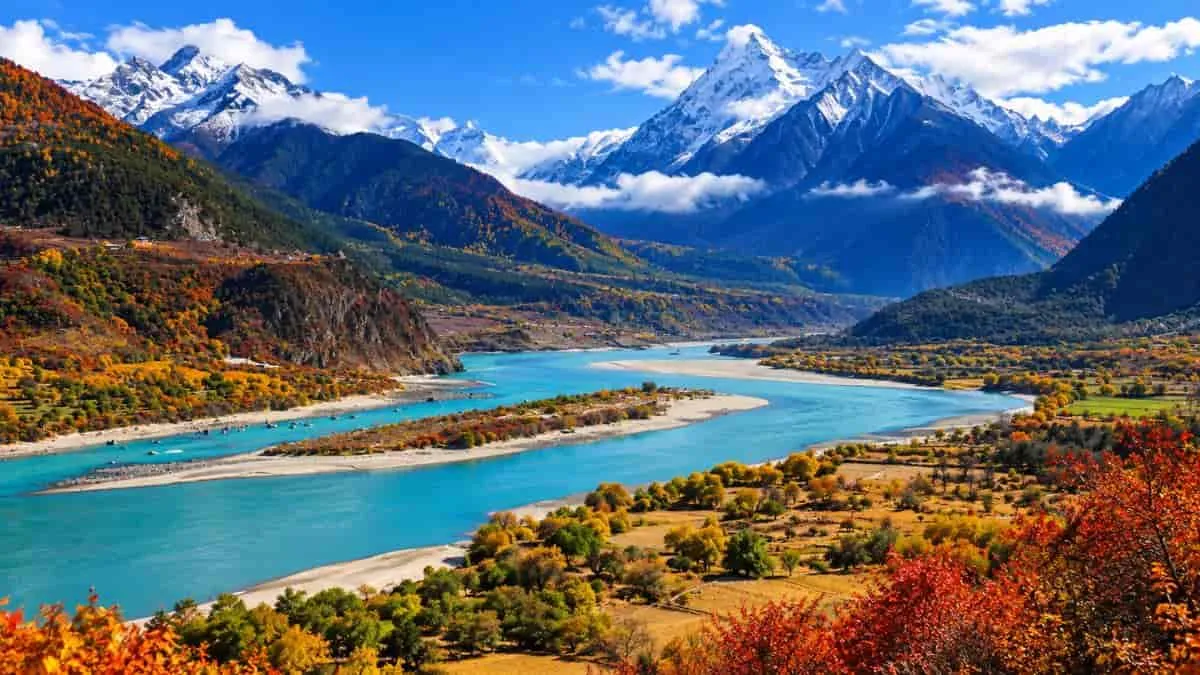
The Brahmaputra is called as the Yarlung Zangbo River in China. It is also known as Yarlung Tsangpo in English.
It passes through Tibet, China, and then into Arunachal Pradesh, India. Once it comes into India, it is called as Siang. It is known as Brahmaputra in Assam further downstream.
This makes the Yarlung Zangbo and Brahmaputra to be different names of the same river system.
What is the Brahmaputra Called in China?
In China, the Brahmaputra is known as the Yarlung Zangbo River. Yarlung Tsangpo is another English spelling of the river.
Is Yarlung Zangbo the Same as the Brahmaputra?
Yes, the Yarlung Zangbo and Brahmaputra are both of the same river system. The river is called something different when it flows through the various regions.
It can be understood in the following way:
-
Yarlung Zangbo is the source of Siang, which flows into Dihang and then to Brahmaputra and finally to Jamuna.
The upper section of the river is in Tibet and is known as the Yarlung Zangbo. It is called the Siang when it passes into Arunachal Pradesh. Some part of its course is also known as the Dihang.
The Siang joins with the Dibang and the Lohit rivers in Assam, and it is then called the Brahmaputra.
This alteration in the course of the river and change in its name is described by the Central Water Commission of the Government of India.
Where Does the Yarlung Zangbo River Originate?
The Yarlung Zangbo River originate from the Angsi Glacier (and the associated Chemayungdung and Jema Yangzong glacier sources) located in western Tibet, near Mount Kailash and Lake Manasarovar in the Himalayas.
The source area is located at a high elevation, around 5,590 metres above sea level, and after flowing through Tibet, it enters India through Arunachal Pradesh and flows through Assam and Bangladesh before it joins the Bay of Bengal.
Brahmaputra River Names in Different Places
The same river has different names in different regions.
| Country/Region | Name of the River |
| Tibet, China | Yarlung Zangbo / Yarlung Tsangpo |
| Arunachal Pradesh, India | Siang |
| Part of Arunachal Pradesh | Dihang |
| Assam, India | Brahmaputra |
| Bangladesh | Jamuna |
These names can sometimes be confusing for students.
The easiest thing to remember is that these names refer to different sections of the same major river system.
Yarlung Zangbo vs Brahmaputra: Key Facts
| Feature | Facts |
| Name in China | Yarlung Zangbo |
| Another English name | Yarlung Tsangpo |
| Location in China | Tibet |
| Source | High Himalayan region of Tibet |
| Approximate river-system length | About 2,900 km |
| Name in Arunachal Pradesh | Siang |
| Other name in part of Arunachal Pradesh | Dihang |
| Name in Assam | Brahmaputra |
| Name in Bangladesh | Jamuna |
| Famous natural feature | Yarlung Zangbo Grand Canyon |
| Type of river | Transboundary river |
What is the length of the Yarlung Zangbo-Brahmaputra River?
The total length of the Brahmaputra River is approximately 2,900 kilometers (about 1,800 miles).
Length by Country
-
Tibet (China): About 1,600 to 1,700 km (known as the Yarlung Tsangpo)
-
India: About 916 km (flows through Arunachal Pradesh and Assam)
-
Bangladesh: About 284 km (known as the Jamuna before joining the Ganges)
Tributaries of the Brahmaputra River System
The Brahmaputra receives water from several rivers in northeastern India. Here is the tributaries of the Brahmaputra River system is given below:
Left Bank Tributaries of the Brahmaputra River
The left bank tributaries of the river system of the Brahmaputra basin are:
-
Lhasa River
-
Nyang River
-
Parlung Zangbo River
-
Kolong River
Right Bank Tributaries of the Brahmaputra River
The right bank tributaries are:
-
Kameng River
-
Manas River
-
Beki River
-
Raidak River
-
Jaldhaka River,
-
Teesta River
-
Subansiri River
Why Is the Brahmaputra Important to Assam?
The Brahmaputra plays a major role in the life and geography of Assam.
Its water supports:
-
Farming
-
Fishing
-
Wildlife
-
Wetlands
-
River islands
-
Local communities
However, the river can also cause serious floods, especially during the monsoon.
Why Is the River Called a Transboundary River?
The Yarlung Zangbo-Brahmaputra is a transboundary river.
A transboundary river is a river whose waters cross the borders of two or more countries.
The river flows through:
-
China
-
India
-
Bangladesh
This makes the river important not only for one country but for the entire region.
Water, floods, farming, wildlife and the environment are all connected to the river's journey across national borders.
Why Is the Yarlung Zangbo Important?
The Yarlung Zangbo not only is important to nature but also to people.
1. It is a major river of Tibet.
The river flows across southern Tibet and is one of the most important rivers in the region.
It is important water for the communities, agriculture and the environment.
2. It changes its name to Brahmaputra when it reaches India.
The river does not stop in China.
It passes through Tibet, into the State of Arunachal Pradesh and is called the Brahmaputra in Assam.
One of the important rivers in the northeastern part of India is Brahmaputra.
3. It Supports Agriculture
River water plays a vital role in agriculture.
In Tibet, the agriculture is developed in the valleys of the river and suitable crops like barley, wheat and Potatoes are cultivated.
4. It Supports Wildlife
Numerous animals are native to the Tibetan and Himalayan area, and are seen around the wider river region.
These include:
-
Snow leopard
-
Tibetan antelope
-
Blue sheep
-
Tibetan wild ass
-
Tibetan fox
-
Marmot

Prabhat Mishra is a Subject Matter Expert and digital journalist with an extensive background in the competitive exam landscape and over 4 years of experience in education, national and international news, and current affairs. Over his tenure with top knowledge platforms like Mentorship India, IAS BABA, IAS SARTHI, and now Jagran Josh, he has a deep understanding of government exams like UPSC and State PCS, including UP and Bihar, as he has already qualified for the UPPCS 2022 Mains and Bihar 68th Mains. With his core expertise in history, polity, geography & current affairs, he specialises in creating well-researched, aspirant-centric content and simplifying complex topics for competitive examinations.