Which Flower Is Known As The Moonflower?
The flower most famously known as the Moonflower is the Ipomoea alba, or Moonvine. This tropical beauty is celebrated for its vast, fragrant, trumpet-shaped white flowers. Unlike most blooms, the Moonflower unfurls its blossoms only at dusk and closes them at dawn, reflecting moonlight and attracting nocturnal pollinators like the Sphinx moth.
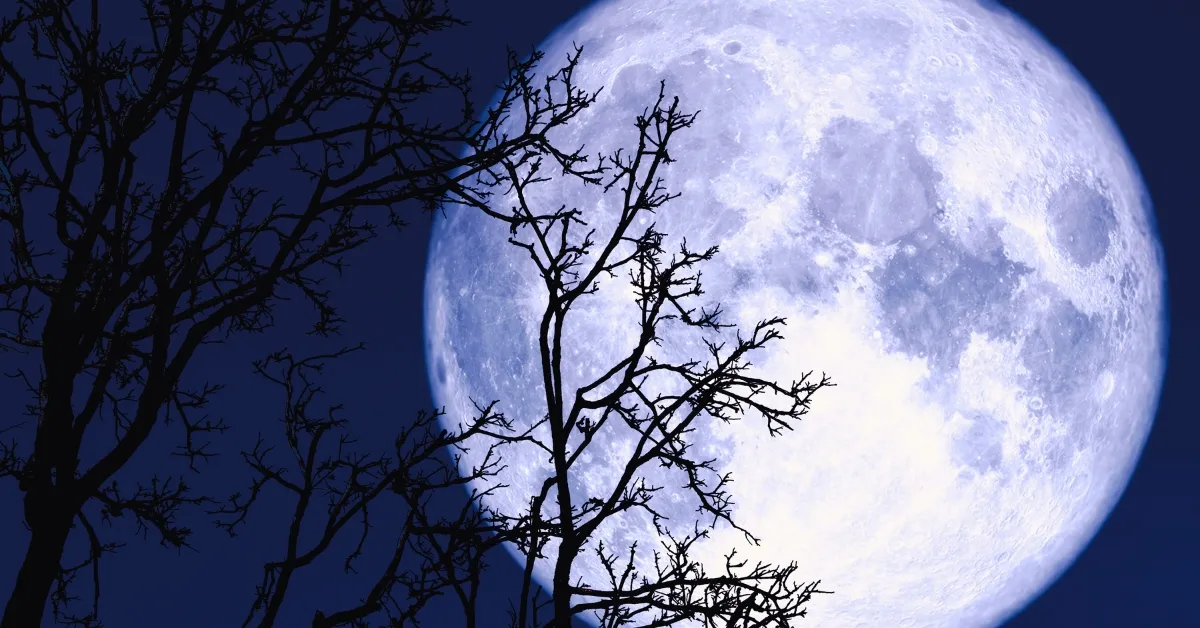
The world of flowers is truly amazing, with so many kinds of blooms. Think about all the different shapes, colours, and smells you can find. Scientists estimate that there may be over 400,000 flowering plant species worldwide. Some flowers have wonderful nicknames. For example, the beautiful Dianthus is sometimes called the Pinks. And the Gerbera daisy is often known simply as the African Daisy. But do you know which flower is famous for only opening at night? This mystery flower also has a strong, sweet scent. It looks like a bright white trumpet in the dark. In this article, we'll take a look at the fascinating flower known around the world as the Moonflower. We will explore its unique habits and what makes it so special.
ALSO READ| Which Flower Is Known As The Herb Of The Sun?
Which Flower Is Known As The Moonflower?

The Ipomoea alba is known as the Moonflower. The Moonflower (Ipomoea alba) is a beautiful, night-blooming vine. It is native to tropical and subtropical regions worldwide, including the Americas and Asia, but is widely cultivated elsewhere. You often find it growing in warm, humid climates. Its physical characteristics are quite striking: it has large, heart-shaped leaves and produces huge, fragrant, trumpet-shaped white flowers that can measure up to 6 inches (15 cm) across.
It is called the Moonflower because its blossoms open only in the evening after the sun sets, stay open throughout the night, often reflecting the moonlight, and close by dawn. Its brilliant white colour makes it highly visible under the moon.
YOU MIGHT BE INTERESTED| Which Flower Is Known As The Flame Of The Forest?
10 Lesser-Known Facts About the Moonflower
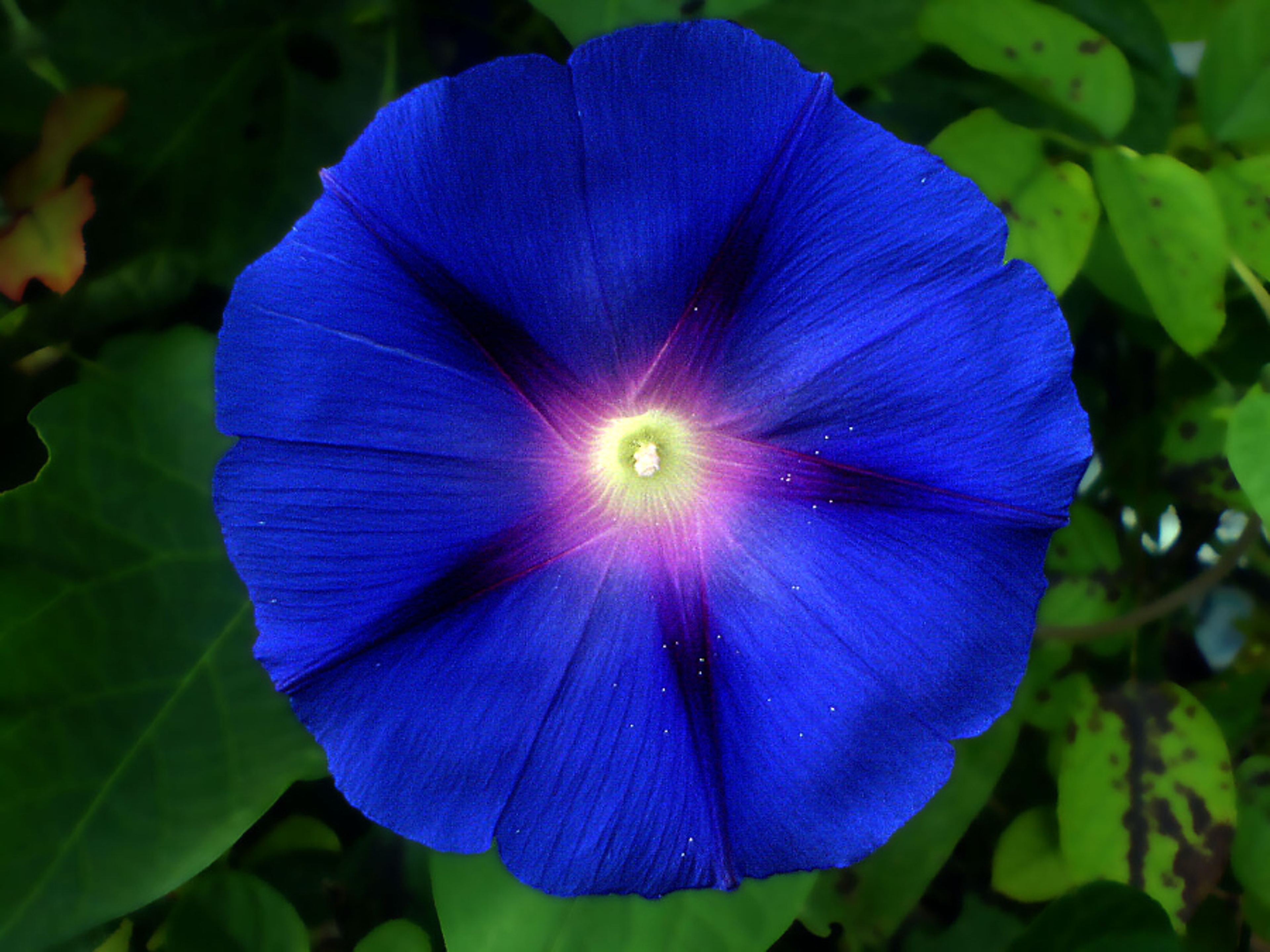
- The flowers open very quickly, sometimes in just a few minutes, as part of an event called nyctinasty.
- It's primarily pollinated by night-flying moths, like the giant Sphinx moth.
- The intense, sweet fragrance is strongest at night to attract its nocturnal pollinators.
- It's a vigorous perennial vine, meaning it lives for more than two years and climbs on supports.
- All parts of the plant are considered toxic if ingested, especially the seeds.
- It belongs to the same plant family as the familiar Morning Glory (Convolvulaceae).
- In parts of Asia, its leaves and stems are sometimes cooked and eaten as a vegetable.
- Before opening, the flower buds have a slight greenish tint.
- The vine can grow very quickly, sometimes adding up to 10 feet in a single season.
- While Ipomoea alba is the most famous, other plants, like Datura, are sometimes also called Moonflowers.
Which Flower Is Known As The Moonflower?

The most common flower, known as the Moonflower, is the Ipomoea alba. This is a fast-growing, night-blooming vine. It belongs to the morning glory family and produces large, bright white, trumpet-shaped blossoms. Other plants, like Datura species, are also sometimes called moonflowers, but Ipomoea alba is the widely accepted one.
What Is Another Name For A Moonflower?
Another popular common name for the Moonflower (Ipomoea alba) is the Moonvine. Because it is a relative of the Morning Glory, it is also frequently called the Tropical White Morning Glory or Night-Blooming Morning Glory. The name simply refers to its habit of blooming after sunset.
Is Moonflower Found In India?
Yes, the Moonflower (Ipomoea alba and related species such as Ipomoea muricata) is found in India. While it is native to the tropical Americas, it has been widely introduced. It is now naturalised across many tropical and subtropical regions worldwide, including India, where it is often grown as an ornamental vine.
IN CASE YOU MISSED| Which Flower Is Known As The Queen Of The Night?
Why Is It Called A Moonflower?
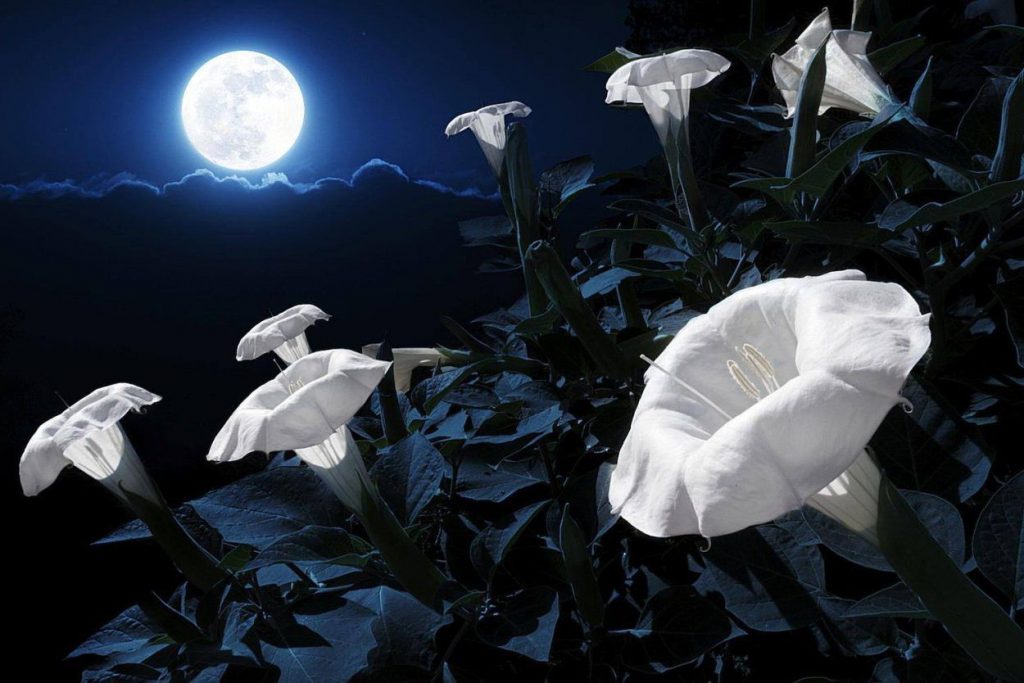
It is called the Moonflower because of its unique nocturnal blooming habit. The spectacular white flowers unfurl only at dusk or after sunset, staying open throughout the night. Their bright white petals make them seem to glow or reflect the moonlight in a nighttime garden, only to close again the following morning.
WHAT'S NEXT | Which Flower Blooms All Year Round?

Kriti Barua is a skilled digital journalist and communications professional with 4+ years of experience, currently writing for the General Knowledge section at Jagran New Media. She has established herself as a subject matter expert in History, Geography, Trending National and International News, Sports, Science, and Defence, producing clear, reliable, and search-optimised content that connects with readers worldwide.
Kriti holds a BA degree from Delhi University and a one-year diploma in TV Production and Journalism, an academic background that adds research depth and strong storytelling instincts to her writing. Her experience spans brand writing, content marketing, and digital media, giving her a sharp understanding of what makes content both helpful to readers and visible in search.
At Jagran New Media, she applies this expertise to national and international news coverage, query-based articles, and in-depth pieces across her specialist subject areas. Her content is defined by easy language, factual accuracy, strong keyword strategy, and reader-friendly storytelling.