Why Does the President of India Give Speech on August 14 And The Prime Minister on August 15?
The President of India, as the ceremonial Head of State, delivers an address to the nation on the eve of Independence Day, August 14. On August 15, the Prime Minister, the Head of Government, addresses the nation from the Red Fort.
Key Points
- The President of India addresses the nation on August 14 at 7:00 pm IST.
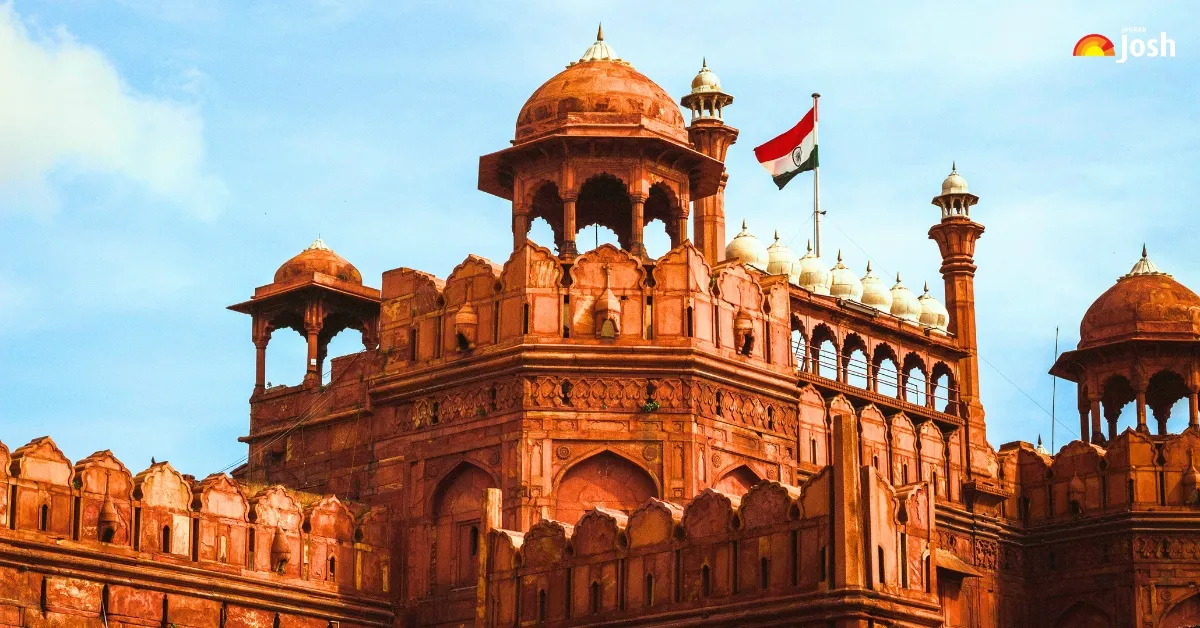
- The Prime Minister raises the flag and speaks from the Red Fort on August 15.
- This dual tradition is rooted in historical events and constitutional roles.
On August 15, 1947, India marked its Independence Day after 200 years of colonialism by the British Empire. The importance of this day to all Indians is such that each year the occasion is filled with an air of patriotism and unity. With school kids being distributed sweets and parades held at the Red Fort in Old Delhi, it's a huge festival for 1.4 billion people.
Do You Know Why the President Speaks on August 14 and the Prime Minister on August 15?
Whereas most people turn their attention to see the Prime Minister raising the flag on the morning of August 15, there is yet another tradition that takes place the previous day. The President of India delivers a speech to all the citizens through television and radio at 7:00 pm on August 14 every year.
But do you know why the President speaks on August 14, whereas the Prime Minister speaks on August 15? Let us see what makes this dual tradition different from others historically and constitutionally.
Why Does the President of India give a speech on August 14, And The Prime Minister on August 15?
This two-day tradition is rooted directly in the Constitution of India and our democratic framework.
The Constitutional Role Difference
The President and the Prime Minister are quite different from each other in the Indian democratic system. The President is the Constitutional Head of the State, representing the entire country. The Prime Minister is the Head of the Government, heading the elected executive government.
Role Division in Indian Democracy
| Designatory Title | Office Holder | Event Date & Venue | Nature of Address |
| Head of State | President of India | August 14 Eve (Rashtrapati Bhavan) | Non-political reflection on national unity, achievements & values. |
| Head of Government | Prime Minister of India | August 15 Morning (Red Fort) | Executive roadmap, policy achievements & future government plans. |
Historical Tradition Since 1947
- August 14 Eve Address: On August 14, 1947, the Constituent Assembly met before midnight to celebrate independence. Since then, a tradition has evolved where the Head of State addresses the nation on the eve of Independence Day (August 14) in order to establish a peaceful atmosphere.
- August 15 Red Fort Address: On August 15, 1947, Pandit Jawaharlal Nehru raised the Indian tricolour flag for the first time from the Red Fort. This tradition has been maintained by each Prime Minister to date.
President Droupadi Murmu's Speech: Key Highlights, Schedule, and Broadcast Details
On the eve of Independence Day, President Droupadi Murmu addresses the nation in the traditional way from the Rashtrapati Bhavan.
Schedule and Broadcast Details
- Date: Friday, August 14.
- Time: 7:00 P.M. Indian Standard Time.
- TV Coverage: All DD Television Channels (DD National, DD News, and DD India).
- Radio Coverage: All India Radio (Akashvani) National Network.
- Language Sequence: First, the speech will be aired in Hindi, and then the English version will be aired right after that. Translations into other languages will follow at 9:30 P.M. IST on DD Regional Channels and Akashvani Stations.
Key Themes Covered in the Speech
The speech by the President usually contains information regarding important national events and topics, which include the following:
- Saluting the Freedom Fighters: Recognition of the sacrifice that has been made by the courageous freedom fighters who have laid down their lives for the freedom of our country.
- Development in Economy and Society: Details of the development of rural areas, women empowerment, welfare of tribals, and education.
- Science and Technology: Commendation of the success of ISRO missions, defence manufacturing, and digitalisation.
- International Relations: Significance of international relations, green energy, and the environment.

Kriti Barua is a skilled digital journalist and communications professional with 4+ years of experience, currently writing for the General Knowledge section at Jagran New Media. She has established herself as a subject matter expert in History, Geography, Trending National and International News, Sports, Science, and Defence, producing clear, reliable, and search-optimised content that connects with readers worldwide.
Kriti holds a BA degree from Delhi University and a one-year diploma in TV Production and Journalism, an academic background that adds research depth and strong storytelling instincts to her writing. Her experience spans brand writing, content marketing, and digital media, giving her a sharp understanding of what makes content both helpful to readers and visible in search.
At Jagran New Media, she applies this expertise to national and international news coverage, query-based articles, and in-depth pieces across her specialist subject areas. Her content is defined by easy language, factual accuracy, strong keyword strategy, and reader-friendly storytelling.