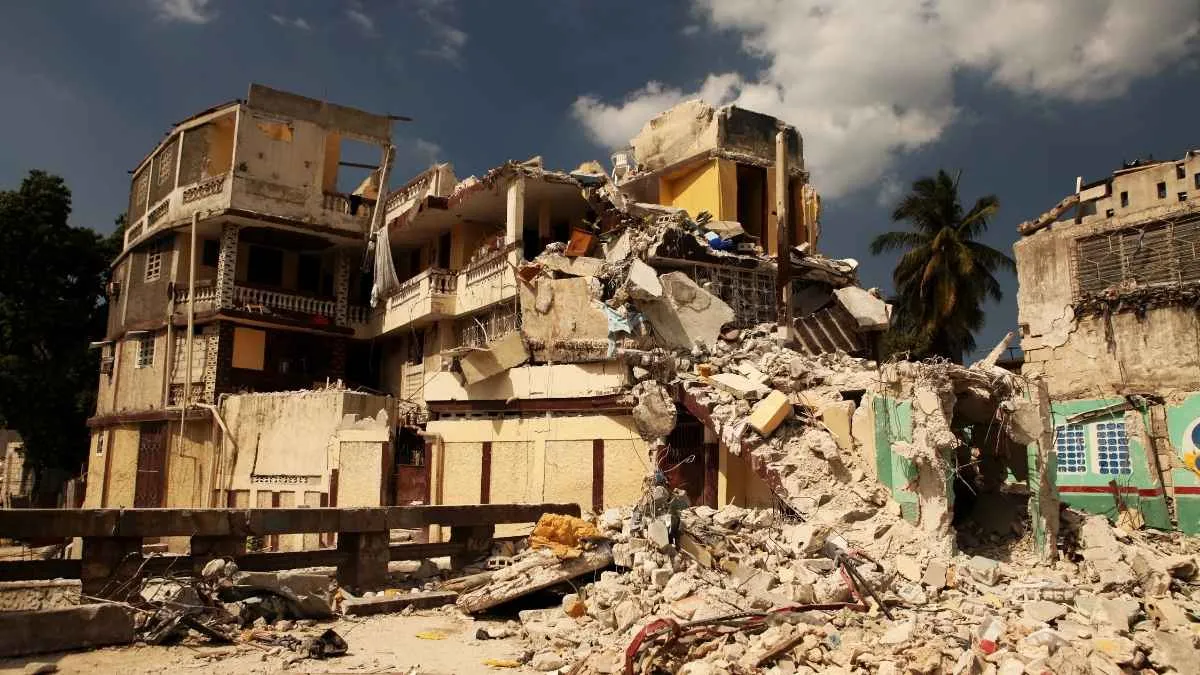
The biggest earthquakes in Asia stem from complex fault systems stretching along the Pacific Ring of Fire. Official records from the United States Geological Survey (USGS) and Earthquake Track document thousands of annual tremors across the continent.
Most tremors usually pass unnoticed. But some major oceanic ruptures have produced tremors over magnitude 8.5.
Studying about such large historic earthquakes helps scientists measure stress buildup in the earth and helps city planners design safer homes and bridges. And this article lists out some of the most notable earthquakes that Asia has witnessed till date to improve your General Knowledge.
7 Most Powerful Earthquakes Recorded in Asia till Date
All the historical seismological data compiled by the USGS hints that Asia has experienced some of the deadliest earthquakes in global history. Some of those biggest tremors have been mentioned below along with their impact:
|
Rank
|
Year
|
Location or Epicenter of Earthquake
|
Magnitude (Mw)
|
Key Impact and Disruption
|
|
1
|
2004
|
Sumatra-Andaman, Indonesia
|
9.1–9.3
|
Triggered a massive Indian Ocean tsunami.
|
|
2
|
2011
|
Tōhoku, Japan
|
9.1
|
Reshaped coastal landforms and damaged reactors.
|
|
3
|
1952
|
Kamchatka, Russia
|
9.0
|
Sent severe tsunami waves across the Pacific.
|
|
4
|
2025
|
Kamchatka, Russia
|
8.7–8.8
|
Preceded by major foreshocks off the coast.
|
|
5
|
1950
|
Assam-Tibet (India-China)
|
8.6
|
Generated widespread mountain landslides.
|
|
6
|
2012
|
Off Northern Sumatra
|
8.6
|
Rare, high-magnitude intraplate strike-slip event.
|
|
7
|
2005
|
Nias-Simeulue, Indonesia
|
8.6
|
Destroyed extensive infrastructure across islands.
|
Tectonic Drivers: Why Asian Fault Zones Are So Active
Four dominant tectonic plates are the Eurasian, Indo-Australian, Pacific, and Philippine Sea plates are continually grind against each other beneath Asia.
-
Subduction Trench Friction: Heavy oceanic crust sinks beneath lighter continental plates which build immense friction until a sudden powerful snap causes a megaquake.
Continental Collision: The Indian Plate drives northward into Eurasia at 40 - 50 mm annually. The drive maintains persistent subterranean strain across the Himalayan arc.
Focal Depth Impact: Shallow hypocenters located less than 30 kilometers beneath the surface concentrate destructive kinetic energy directly onto ground structures.