Flash Flood Risk Today in India: IMD Alerts 4 States and 33 Districts; What Is a Flash Flood?
The India Meteorological Department issued urgent flash flood risk warnings across 4 states and 33 districts due to intense monsoon rain. Authorities advise residents along vulnerable river basins to track real-time flood forecasts, move to safety, and understand localised flash flood risks.
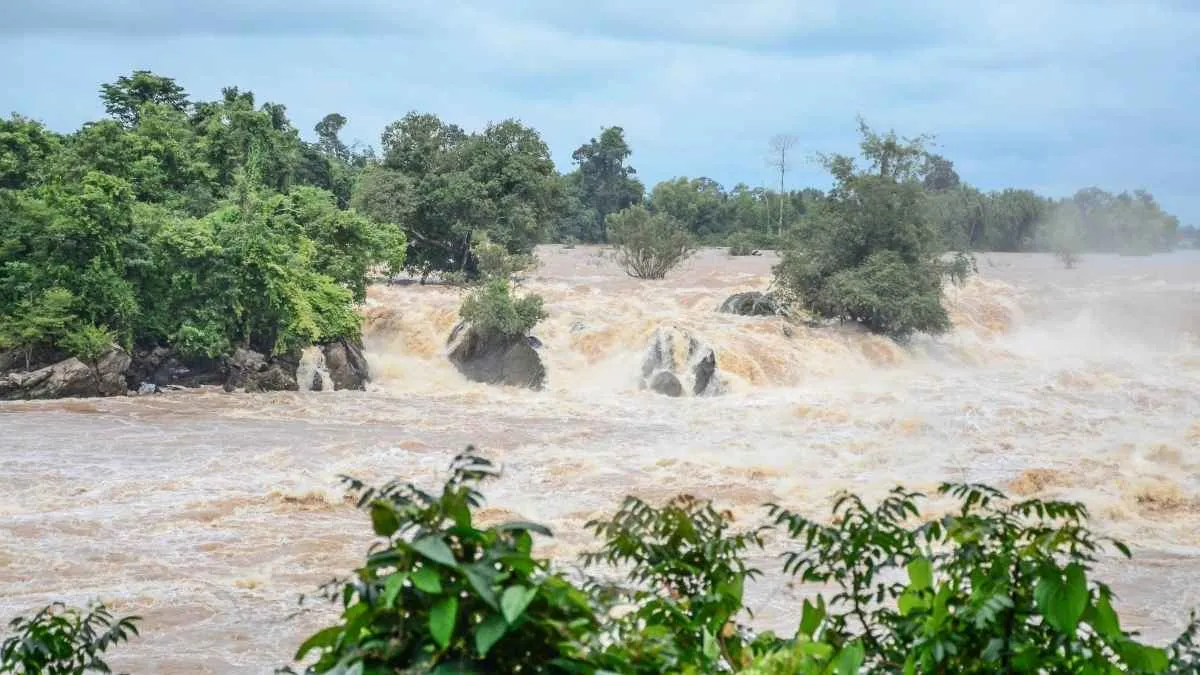
The India Meteorological Department (IMD) released a new flash flood risk alert today in India. The IMD flood alert for today is warning people in heavy rainfall states and districts to prepare for fast-rising water levels of rivers.
As per the new flood warnings, 4 states and 33 districts in India, that include Odisha (9 districts), Coastal Andhra Pradesh (14 districts), Chhattisgarh (4 districts), and Telangana (6 districts), are on alert.
Nonstop late-monsoon rains continue to drench the streets and fields. Meanwhile, the water warnings from CWC inform us about river water levels rising to the danger mark and crossing the flood alert level in central and south India.
What is a Flash Flood and Why is the Current Risk So High?
A flash flood is an abrupt and fast movement of water due to heavy rainfall occurring in a short period of time. Normally, it occurs within six hours or even within minutes.
Flash floods do not give any warning signs before they occur, unlike floods in rivers that take days to form.
At present, the danger level is very high owing to weeks of rain brought about by the monsoons, which have made the soil very wet like a saturated sponge.
The CWC states that soil in around 33 districts of India is already saturated with water. Therefore, when fresh rains fall, the water does not infiltrate into the soil but rather flows on top of the soil and into the town.
What are Official Bulletins of Flash Flood Risk Today in India?
Government water agencies are constantly tracking rainfall and river water levels around the clock to counter the damage caused by flash floods and severe weather events.
IMD Flash Flood Risk Alert Today in India
IMD is responsible for tracking hourly rainfall and water runoff that directly or indirectly affect India. And this is what the IMD flood alert is for today September 23rd 2026.
| S. No. | States Under Weather Alert | Total Affected Districts | List of Districts Under High Flash Flood Risk Today |
| 1 | Odisha | 9 | Koraput, Malkangiri, Rayagada, Nabarangpur, Gajapati, Ganjam, Kalahandi, Kandhamal, Puri |
| 2 | Andhra Pradesh | 14 | Srikakulam, Vizianagaram, Visakhapatnam, Anakapalli, Kakinada, East Godavari, West Godavari, Eluru, NTR, Krishna, Guntur, Bapatla, Palnadu, Prakasam |
| 3 | Chhattisgarh | 4 | Bastar, Sukma, Dantewada, Kondagaon |
| 4 | Telangana | 6 | Bhadradri Kothagudem, Nalgonda, Suryapet, Khammam, Mahabubabad, Warangal |
📷 Highest Rainfall Recorded in the Last 24 Hours on 23rd September 2026
— India Meteorological Department (@Indiametdept) September 23, 2026
Stay updated with the latest weather observations and forecasts from IMD.#Rainfall #HeavyRainfall #WeatherUpdate #IMD #IndiaWeather #RainfallObservation pic.twitter.com/8JKH9NUnJU
CWC and NDMA Weather Alerts Today in India
| Govt Agency | What They Track | High-Risk Areas |
| CWC Flood Forecasting Portal | River water levels and dam releases | Ganga, Brahmaputra, and Godavari river basins |
| NDMA Sachet Portal | Mobile phone text alerts | High-risk towns and villages in alerted states |
Local emergency and rescue teams advise everyone in these areas to avoid crossing small streams, underpasses, and low bridges when it rains heavily.
What are Simple Safety Rules to Follow During a Flood Alert
If your district is on the warning list, taking quick steps can keep you and your family safe:
-
Go to higher ground at once: In case you find water flowing into streets and areas around your house, don’t wait for the government alerts and go to higher grounds straight away.
-
Stay away from any moving water: It takes only 6 inches of fast-moving water to sweep you off your feet while 2 feet of water is enough to make your car float
-
Visit official sites for updates: Check government alerts or visit IMD and CWC websites through your phone.
-
Prepare your basic survival kit: Collect drinking water, torchlight, mobile charging power banks, medicines, and documents in a plastic packet.
How to Keep Track of Weather Updates
In light of weather patterns that include heavy rainfall, the best way to ensure your safety would be to constantly monitor official weather forecasts. If you happen to reside near river basins and hills, then make sure to visit the IMD Flash Flood Bulletin website as well as the website of the CWC.

Harshita Singh is an education and general knowledge journalist with over 5 years of experience in educational writing. Specializing in US affairs and GK, Harshita has a track record of breaking down intricate geopolitical and historical subjects into clear, digestible insights for learners. Her strong background in text analysis, coupled with a Bachelor of Arts (Hons) in English from the University of Delhi, helps her produce authoritative, thoroughly researched content that empowers readers to engage confidently with global current affairs. For inquiries or academic insights, you can reach out to her directly at harshita.singh@jagrannewmedia.com.


-1790143806331_t.webp)
-1790063845090_t.webp)


![[OUT] SSC CGL City Slip 2026 Live Updates: Download Tier 1 Exam City Slip, Direct Link Here](https://img.jagranjosh.com/images/2026/September/2192026/SSC-CGL-City-Slip.jpg)