10 Railway Stations in India With Unbelievable Colonial History
Discover 10 historic railway stations in India with fascinating colonial-era stories, architecture and links to the British Raj.
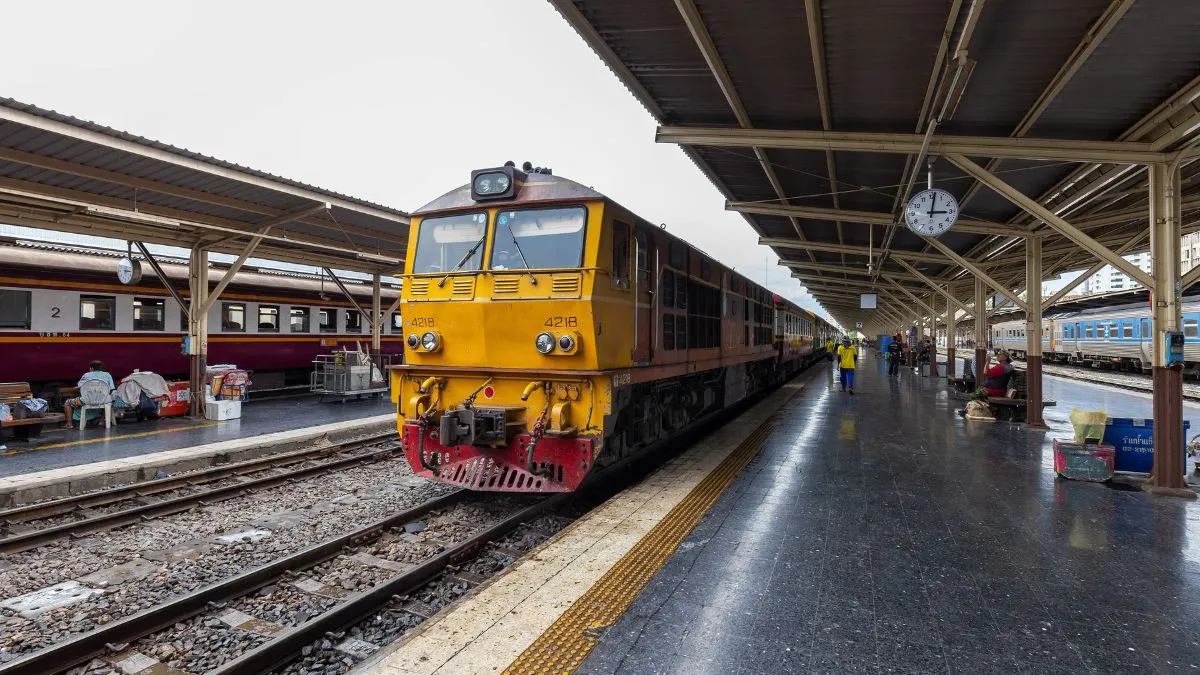
India’s railway network was developed rapidly during the British colonial period and became an important part of the transport and economic system. Several railway stations built during this era still stand today. From grand Gothic buildings to hill stations connected by heritage railways, these stations are in India’s colonial history. Keep reading to know in detail.
1. Chhatrapati Shivaji Maharaj Terminus, Mumbai
Chhatrapati Shivaji Maharaj Terminus was Originally known as Victoria Terminus. It was named after Queen Victoria. The construction began in 1878 and was completed in 1888. It became a UNESCO World Heritage Site in 2004. It was designed by British architect Frederick William Stevens. The architecture combines Victorian Gothic Revival and traditional Indian architectural elements.
2. Howrah Junction, Kolkata
The Howrah Junction is one of India’s oldest major railway stations. The first passenger train from Howrah to Hooghly ran in 1854. The station became an important railway gateway to eastern India. The development of Howrah junction was closely linked to the expansion of the East Indian Railway during British rule.
3. Madras Central, Chennai
Madras Central is now known as Puratchi Thalaivar Dr M.G. Ramachandran Central Railway Station. The station was opened in 1873. It was designed by British architect George Hardinge. The station became an important railway link connecting Madras with other parts of British India.
4. Royapuram Railway Station, Chennai
Royapuram Railway Station was opened in 1856. It is among the oldest surviving railway stations in India. The first railway service from the station connected Royapuram with Arcot. It was an important early railway link in the Madras Presidency.
5. KSR Bengaluru City Junction
Bengaluru’s railway station was developed during the British period. The first railway line connecting Bengaluru with Jolarpettai opened in the 19th century. The railway played an important role in connecting the city with the wider Madras Presidency.
6. Lucknow Charbagh Railway Station
Lucknow Charbagh Railway Station was opened in 1914. It was built during the British colonial period. Its architecture combines Mughal, Rajput and European influences. The grand red-and-white structure resembles a palace.
7. Ghum Railway Station, West Bengal
Ghum Railway Station is located on the famous Darjeeling Himalayan Railway. It is located at around 2,258 metres. It is one of the highest railway stations in India. The railway was developed during the British period, during the 1880s. It became a UNESCO World Heritage Site in 1999.
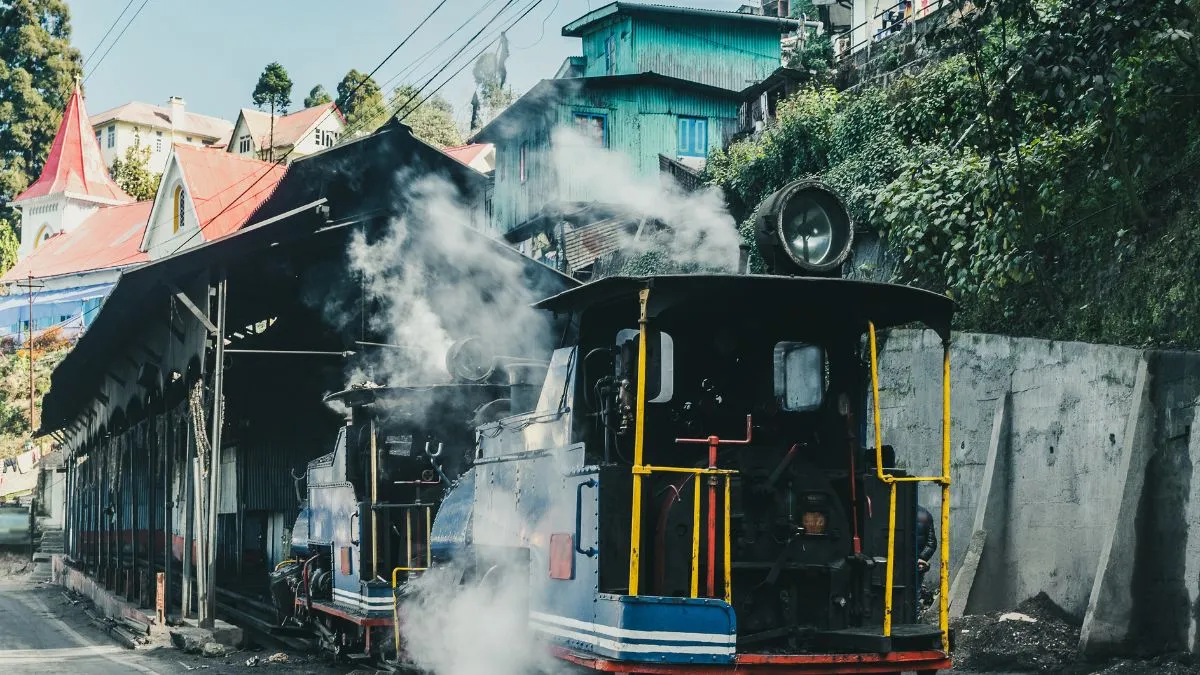
8. Darjeeling Railway Station, West Bengal
Darjeeling Railway Station is part of the historic Darjeeling Himalayan Railway. The railway was created to connect the hill town of Darjeeling with the plains. It played an important role in transporting people and goods through the mountainous region. Its famous toy train continues to operate as a heritage attraction. The railway is one of India’s most important surviving examples of colonial-era hill railway engineering.
9. Kanpur Central Railway Station, Uttar Pradesh
Kanpur became an important railway centre during British rule. Kanpur's railway connections expanded as the British developed transportation networks across northern India. Kanpur’s location made it an important link between major cities such as Delhi, Kolkata and other parts of northern India. The station later became one of India’s busiest railway stations.
10. Delhi Junction, Delhi
Delhi Junction also known as Old Delhi Railway Station was opened in 1903. The station was developed during the British period as Delhi became an important administrative centre. It remains one of Delhi’s major railway stations.
Colonial-Era Railway Stations in India
| Railway Station | City | Colonial Connection |
| Chhatrapati Shivaji Maharaj Terminus | Mumbai | Built as Victoria Terminus |
| Howrah Junction | Kolkata | East Indian Railway expansion |
| MGR Chennai Central | Chennai | Opened in 1873 |
| Royapuram Railway Station | Chennai | Opened in 1856 |
| KSR Bengaluru City | Bengaluru | Railway expansion under British rule |
| Charbagh Railway Station | Lucknow | Built during British period |
| Ghum Railway Station | West Bengal | Darjeeling Himalayan Railway |
| Darjeeling Railway Station | Darjeeling | Colonial-era hill railway |
| Kanpur Central | Kanpur | Major British-era railway link |
| Delhi Junction | Delhi | Opened in 1903 |
Which Is India’s Oldest Surviving Railway Station?
Royapuram Railway Station in Chennai is widely recognised as one of India’s oldest surviving railway stations. It was opened in 1856 as a part of the early railway network of the Madras Presidency. The historic station building still survives.

Jasreet Kaur is a journalist with over 3 years of experience in digital media and news content creation. She specializes in covering Trending News, including major National and International developments, with a focus on delivering accurate, engaging, and reader-friendly stories. Prior to this, she worked with Zee News as a Content Writer, where she gained extensive experience in news reporting and content strategy. Driven by curiosity, credibility, and a passion for impactful journalism, Jasreet aims to contribute to informed public discourse while supporting positive growth in organizations, society, and the world.

-1790591290590_t.webp)
![List of World Cup Winners [1975-2026] - ODI and T20](https://img.jagranjosh.com/images/2026/09/28/template/image/List-of-World-Cup-Winners-ODI-and-T20-1790591214432.webp)





![[Link Active] RRB NTPC UG CBT 2 Answer Key 2026 LIVE: Download CEN 07/2025 Response Sheet PDF](https://img.jagranjosh.com/images/2026/September/2492026/RRB-NTPC-UG-CBT-2-Answer-Key-2026.jpg)