Uri Attack Surgical Strikes 10th anniversary: What happened the night India crossed LoC to attack Pakistan Terror Pads
On September 18, 2016, heavily armed terrorists targetted an Army administrative base near Uri in Jammu and Kashmir. According to the Defence Ministry’s account, the attackers opened fire and used incendiary ammunition, causing fires in temporary Army shelters. The attack resulted in 19 Indian soldiers being killed.
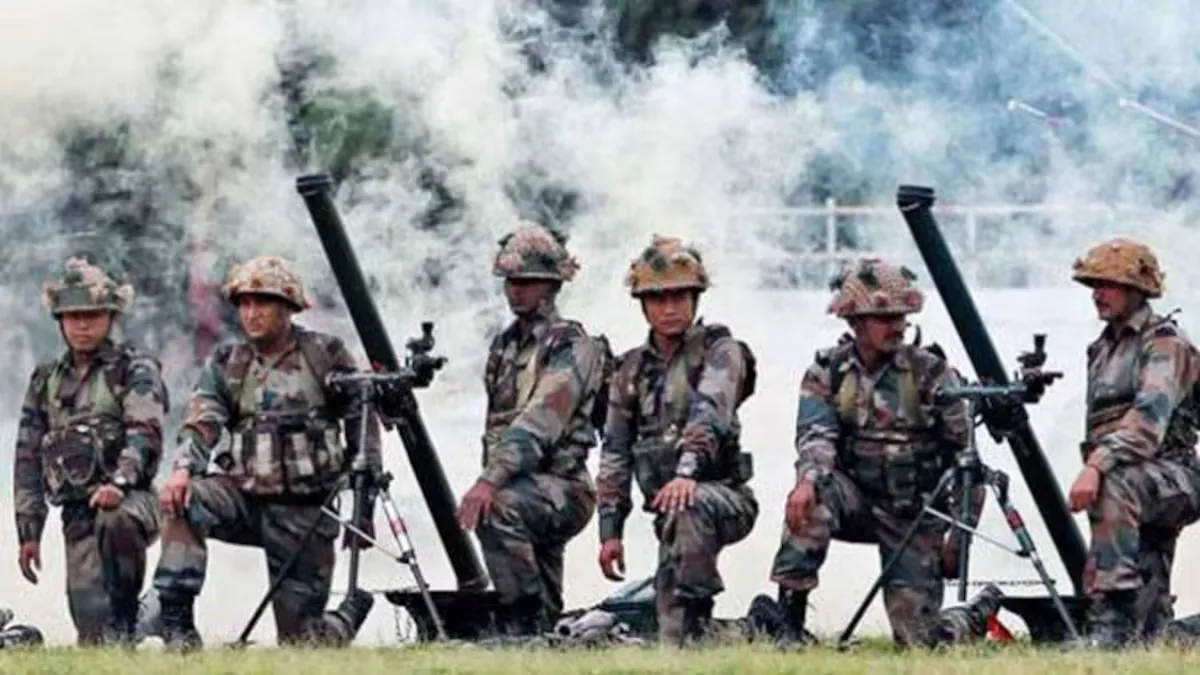
Ten years ago, on September 29, 2016, India announced that its Army had conducted surgical strikes against terrorist launch pads across the Line of Control (LoC) in Pakistan-occupied Jammu and Kashmir. The operation came 11 days after the deadly Uri terror attack and became a crucial leap in India’s counter-terrorism strategy.
What happened in the Uri attack?
On September 18, 2016, heavily armed terrorists targetted an Army administrative base near Uri in Jammu and Kashmir. According to the Defence Ministry’s account, the attackers opened fire and used incendiary ammunition, causing fires in temporary Army shelters. The attack resulted in 19 Indian soldiers being killed.
The attack caused massive tensions between India and Pakistan and accentuated demands for counter-measures against terrorist infiltration across the LoC.
India announces surgical strikes
On September 29, the then Director General of Military Operations (DGMO) declared that Indian Army Special Forces had conducted strikes against several terrorist launch pads along the LoC.
According to the formal statement, the Army secured “specific and credible” intelligence about terrorist teams stationed at launch pads and preparing to infiltrate Jammu and Kashmir and execute attacks. The operation was regarded as a pre-emptive action targetted to prevent those attacks.
The strikes happened during the night of September 28-29. Contemporary accounts reported that Indian Special Forces surpassed the LoC and targeted multiple launch pads. The operation was formally recognised by India, making the announcement itself a notable departure from the low-profile nature of cross-LoC military operations.
Why the 2016 surgical strikes were significant
The surgical strikes became an important reference point in India’s publicly stated counter-terrorism policy. The government showcased the operation as a proof that India could execute targeted military action against terrorist infrastructure while communicating its response openly.
Later, The Indian government has connected the 2016 operation with later counter-terrorism actions, including the 2019 Balakot airstrike and Operation Sindoor in 2025. Prime Minister Narendra Modi, speaking ahead of the 10th anniversary, regarded the 2016 operation as a crucial milestone in India’s counter-terrorism approach.
From Uri to Balakot and Operation Sindoor
The response to Uri was a ground-based operation involving Special Forces. In February 2019, following the Pulwama terror attack, India executed carried out an airstrike at a Jaish-e-Mohammed facility in Balakot, Pakistan.
Operation Sindoor in 2025 showcased another stage in the evolution of India’s military response to terrorism. The sequence illustrates how India’s publicly acknowledged counter-terrorism operations have involved different military capabilities depending on the circumstances.
A decade after Uri, the 2016 surgical strikes remain a defining event in the evolution of India’s stated approach to cross-border terrorism and military retaliation.
Three Operations, Different Capabilities
The three operations — the 2016 surgical strikes, the 2019 Balakot air strike and Operation Sindoor in 2025 — were carried out in varied military circumstances and engaged distinct operational capabilities, targets and goals achieving cross-border terrorism.

At Jagran Josh, she specialises in writing explainers and analytical stories on international news and current affairs. Over the years, she has developed strong expertise in leveraging digital and multimedia tools, along with SEO best practices, to enhance the speed, reach, and impact of her stories.

-1790669648063_t.webp)