Who is Known as the Father of Modern Philosophy?
Who is known as the Father of Modern Philosophy? Learn about the Father of Modern Philosophy, his ideas, famous works, and how his thinking shaped modern philosophy.
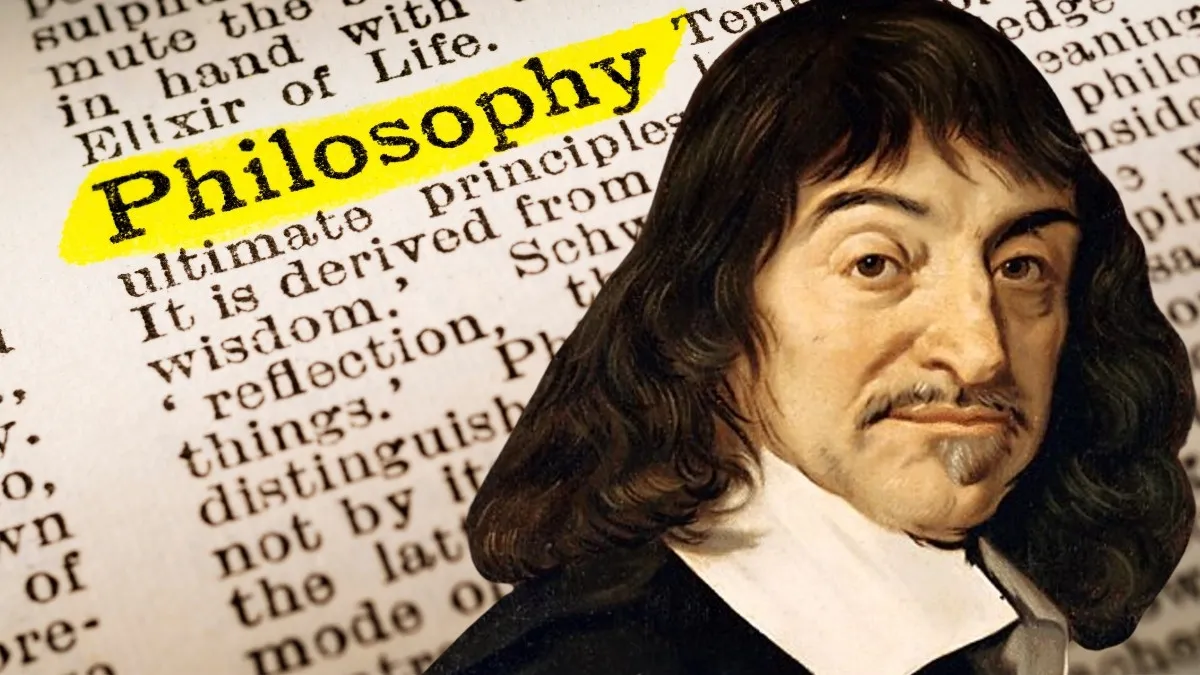
Who is Known as the Father of Modern Philosophy? Modern philosophy emphasizes logic, skepticism, and science in philosophical analysis.
The person known as the Father of Modern Philosophy is René Descartes, French philosopher, scientist, logician, and mathematician who revolutionized ways of thinking.
Descartes was one of those who brought modern philosophy out of old traditions into a rational perspective.
As noted in educational studies published by reputable institutions such as UNESCO, critical thinking and reasoning, which were important aspects of modern philosophy introduced by Descartes, are fundamental abilities in today’s education system.
Who is Known as the Father of Modern Philosophy?
René Descartes is often referred to as the Father of Modern Philosophy because of his innovative style of thinking that incorporated doubt and reason.
Descartes was born in the seventeenth century when philosophy was dominated by traditions and authority.
The philosopher argued that knowledge could only be constructed through rigorous and logical reasoning rather than being taken for granted.
Hence, his rationalism laid the foundation of modern philosophy in which reasoning and facts gained precedence over faith.
The contribution of the philosopher to philosophical thought is immense and has extended far beyond philosophy and into the realm of sciences and education.
Why is René Descartes Known as the Father of Modern Philosophy?
Descartes was given the name 'Father of Modern Philosophy' due to the method of doubt which he pioneered.
According to him, before coming upon any sort of conclusions, everything should be doubted that can be questioned to achieve the truest knowledge.
Thus, the saying "Cogito, ergo sum" came into being. The meaning of which was: 'I think, therefore I am'. This one-sentence summary by him proved the existence of man through the act of thinking.
The method introduced by him revolutionized philosophical thinking altogether as now people started analyzing things before believing in anything.
Not only his philosophy but his works were instrumental in laying down the foundation of modern science as well.
Furthermore, he played an important role in setting philosophy away from religion.
What is René Descartes Most Famous for?
René Descartes is most famous for his statement “Cogito, ergo sum,” which means “I think, therefore I am.”
This idea became one of the most important concepts in philosophy. It suggests that thinking is proof of existence, making human consciousness central to knowledge. This was a major shift from earlier beliefs that relied more on external authority.
Apart from philosophy, Descartes also made contributions to mathematics and science. He developed Cartesian coordinates, which are still used in geometry today. His work connected philosophy with science, making him a multi-talented thinker.
His writings, especially Meditations on First Philosophy, continue to be studied by students worldwide. These works explain his ideas about doubt, knowledge, and existence in a clear and logical way.
Conclusion
Descartes is referred to as the Father of Modern Philosophy since he revolutionized the thinking process concerning knowledge and truth.
Descartes emphasized the aspects of logic, doubt, and reasoning. Even in modern times, Descartes' contribution continues to have relevance, and that is why he is viewed as one of the most important philosophers of all time.

Alisha Louis is a US content specialist with over 3 years of experience in journalism and storytelling. A graduate with a Bachelor’s degree in Journalism and Mass Communication (BJMC), Alisha has focused her career on covering trending news and major educational developments across the United States. Her sharp eye for detail, combined with a strong journalistic point of view, helps her break down complex American educational topics into accessible, engaging narratives for a global audience. Dedicated to delivering timely and trustworthy reporting, she brings a fresh and insightful perspective to the evolving US academic landscape.

-1790821876209_t.webp)