GK: National Parks in Andhra Pradesh
Explore the National Parks in Andhra Pradesh — from the sweeping gorges of Papikonda to the sacred hills of Sri Venkateswara. Discover rich biodiversity, rare wildlife, dense forests, and protected ecosystems that make Andhra Pradesh one of India's most important conservation landscapes.

National Parks in Andhra Pradesh: Andhra Pradesh is a state of temples, golden beaches, and other historical sites of interest. It is also one of the most ecologically significant states of South India. It flows over the Eastern Ghats and the Deccan Plateau, and there is a great diversity of plants and animals within the state over several conservation areas - including some of India's most expansive and least-explored national parks.
A great diversity of ecosystems is preserved in the National Parks in Andhra Pradesh: the dramatic river gorges of the Eastern Ghats, to the serene forest-covered hills of Tirupati. It can be a wildlife, nature photographer or even an eco-traveller, Andhra Pradesh has out of this world natural experiences to the extent that it may be competing with any destination in India. In this article, we have provided a complete list of National Parks in Andhra Pradesh.
Also Read: National Parks in Andaman & Nicobar Islands
National Parks in Andhra Pradesh: Quick Facts
Before exploring each park in detail, here is a snapshot of the national park landscape in Andhra Pradesh:
-
Total Number of National Parks: 3 Notified National Parks
-
Largest National Park: Papikonda National Park (1,012.86 sq. km)
-
Smallest National Park: Rajiv Gandhi (Rameswaram) National Park (2.40 sq. km)
-
Zone: All parks fall under the South Zone
-
Key Habitats: Tropical Moist Deciduous Forests, Dry Deciduous Forests, Riparian Forests, and Eastern Ghats Scrublands
-
Flagship Species: Tiger, Sloth Bear, Indian Giant Squirrel, Mugger Crocodile, Spot-billed Pelican
Also Read: National Parks in Madhya Pradesh
List of National Parks in Andhra Pradesh
The following table provides the notified area and administrative details for all national parks in the state, sourced from official government records:
| S.No. | Name of National Park | Notification Year | Area (Sq. Km) | Zone |
| 1. | Papikonda National Park | 2008 | 1,012.86 | South |
| 2. | Rajiv Gandhi (Rameswaram) National Park | 2005 | 2.40 | South |
| 3. | Sri Venkateswara National Park | 1989 | 353.62 | South |
Source: MoEFCC / EIACP Portal, Government of India
Detailed Overview of National Parks in Andhra Pradesh
Each national park in Andhra Pradesh has its own ecological identity, which is dependent on the geography of the area, the quantity of rainfall that the area gets and other special varieties of biodiversity that it supports. The secured areas have been described in the following:
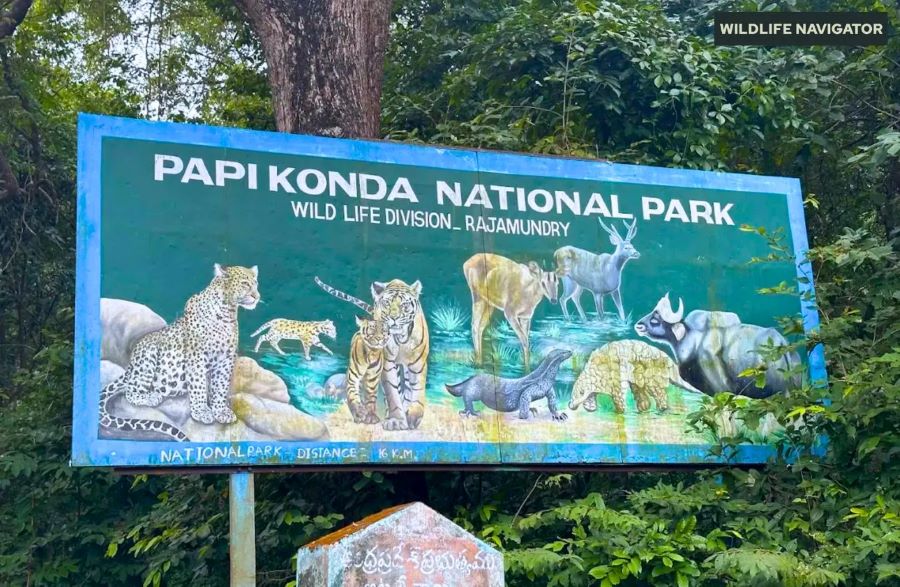
1. Papikonda National Park
Source: wildlifenavigator
-
Location: West Godavari, East Godavari & Khammam Districts
-
Area: 1,012.86 sq. km
-
Notified: 2008
Papikonda National Park is the largest national park in Andhra Pradesh and also among the most biodiverse reserves of the whole of South India. It is located on the shore of the Godavari River. This park is dramatic in the gorges, steep hills and dense tropical moist deciduous forest which forms its way down to the river valley.
Best Time to Visit: October to March | Nearest City: Rajahmundry (approx. 90 km)
Key Wildlife at Papikonda National Park
| Category | Species / Details |
| Mammals | Tiger (Project Tiger buffer zone), Leopard, Sloth Bear, Indian Bison (Gaur), Sambar Deer, Barking Deer, Wild Boar, Indian Giant Squirrel |
| Reptiles | Mugger Crocodile, Indian Star Tortoise, Indian Rock Python, Monitor Lizard |
| Birds | Malabar Pied Hornbill, Crested Serpent Eagle, Oriental Honey Buzzard, Spot-billed Pelican |
| Flora | Teak, Terminalia, Bamboo, Boswellia, Wild Turmeric, and over 150 species of medicinal plants |
Also Read: Which is the World's Only Floating National Park?
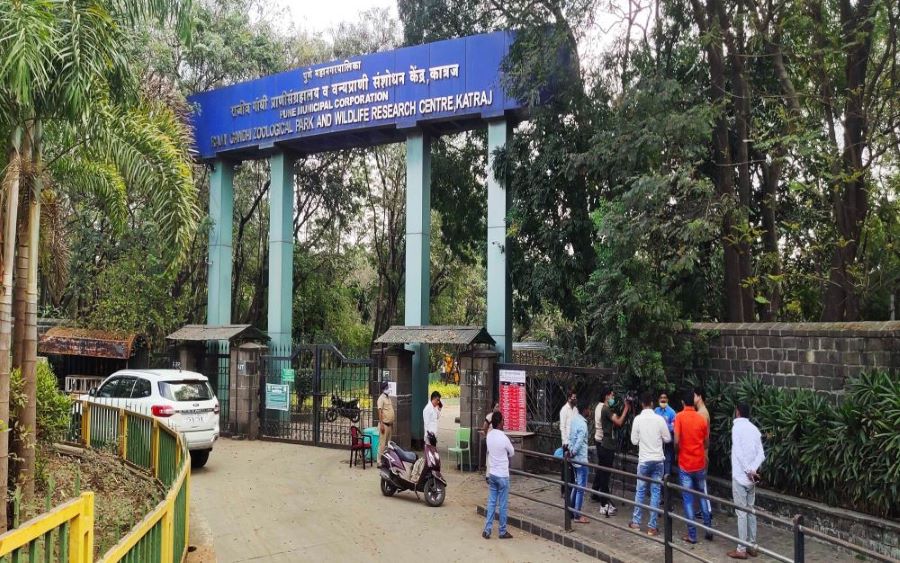
2. Rajiv Gandhi (Rameswaram) National Park
Source: nationalparktravel
-
Location: Kurnool District
-
Area: 2.40 sq. km
-
Notified: 2005
Rajiv Gandhi National Park, which is also known as Rameswaram National Park, is the smallest national park in Andhra Pradesh - and, perhaps, in India, as well. Even though it is covering a relatively small area of 2.40 sq. km, the influence on the ecology of the area that this park has is quite impressive.
The park incorporates some of the dry Deccan scrub ecosystem that has been experiencing increasing pressure of agriculture and urbanisation and is located in the rocky and semi arid environment in the Kurnool district. It is a major gene pool safe haven to a number of plant and animal species that have adapted to the hot and arid climate in the Rayalaseema region.
Best Time to Visit: November to February | Nearest City: Kurnool (approx. 25 km)
Key Wildlife at Rajiv Gandhi National Park
| Category | Species / Details |
| Mammals | Indian Fox, Striped Hyena, Jackal, Porcupine, Small Indian Civet |
| Reptiles | Indian Monitor Lizard, Russell's Viper, Rat Snake |
| Birds | Painted Sandgrouse, Indian Roller, Brown Fish Owl, various raptors |
| Flora | Dry deciduous scrub, Acacia, Euphorbia, Hardwickia binata, and drought-resistant xerophytic plants |
3. Sri Venkateswara National Park
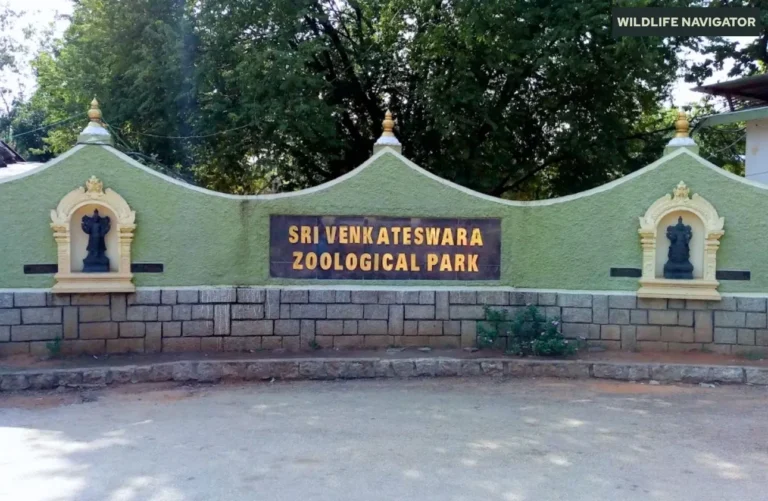
Source: wildlifenavigator
-
Location: Chittoor & Kadapa Districts
-
Area: 353.62 sq. km
-
Notified: 1989
Sri Venkateswara National Park is one of the oldest and most celebrated protected areas in Andhra Pradesh. Established in 1989, the park forms the core of the Sri Venkateswara Biosphere Reserve and is inextricably linked to the sacred Tirumala hills — home to the famous Tirumala Venkateswara Temple, one of the most visited pilgrimage sites in the world.
It is spread across the southern part of the Eastern Ghats, the park is characterised by dense tropical dry deciduous forests interspersed with shola-type grasslands at higher elevations. The rugged terrain and diverse microclimates make it a hotspot for endemic species — plants and animals found nowhere else in the world.
Best Time to Visit: September to March | Nearest City: Tirupati (park adjoins Tirumala hills)
Key Wildlife at Sri Venkateswara National Park
| Category | Species / Details |
| Mammals | Leopard, Sloth Bear, Indian Wild Dog (Dhole), Sambar Deer, Cheetal (Spotted Deer), Nilgiri Langur, Bonnet Macaque |
| Birds | Indian Peacock, Red Spurfowl, Malabar Whistling Thrush, Crested Hawk-Eagle, Sri Lanka Frogmouth (rare), White-bellied Treepie |
| Reptiles | King Cobra, Russell's Viper, Bronzeback Tree Snake, Indian Chameleon |
| Flora | Red Sanders (Pterocarpus santalinus — endangered and endemic), Sandalwood, Terminalia, Bamboo, and over 1,400 plant species |
What is the Red Sanders Connection with Sri Venkateswara National Park?
The Sri Venkateswara National Park is a global park because it is the primary habitat of the Red Sanders (Pterocarpus santalinus), a critically endangered timber tree, found everywhere in the Southern Eastern Ghats.
Red Sanders is an extremely needed species in the world at large, and the park is taking the centre stage in preventing the poaching of this indispensable species. This is attributed to the fact that the Forest Department and the conservation organisations have an effective network of proactive anti-poaching throughout the park.
In conclusion, the National Parks of Andhra Pradesh are ecologically good and the loveliest of the reserved regions in South India. These parks together are the size of the Eastern Ghats and Deccan sceneries, which conserve invaluable biodiversity of the thundering river gorge of Papikonda, the sacred, Red-Sanders-clad hills of Sri Venkateswara and the dry scrublands of the dry scrublands of compact, dry scrublands of Rajiv Gandhi. For more such articles, visit Jagran Josh regularly!

Prabhat Mishra is a Subject Matter Expert and digital journalist with an extensive background in the competitive exam landscape and over 4 years of experience in education, national and international news, and current affairs. Over his tenure with top knowledge platforms like Mentorship India, IAS BABA, IAS SARTHI, and now Jagran Josh, he has a deep understanding of government exams like UPSC and State PCS, including UP and Bihar, as he has already qualified for the UPPCS 2022 Mains and Bihar 68th Mains. With his core expertise in history, polity, geography & current affairs, he specialises in creating well-researched, aspirant-centric content and simplifying complex topics for competitive examinations.


-1791106861750_t.webp)