Which Country is the Largest Producer of Natural Gas in the World?
Discover which country is the largest producer of Natural Gas in the World? This article analyses the top energy producer of Natural Gas country, their annual production volumes, and the technology shifting global dominance. Also check the top 5 Natural Gas Producing Countries in the World.
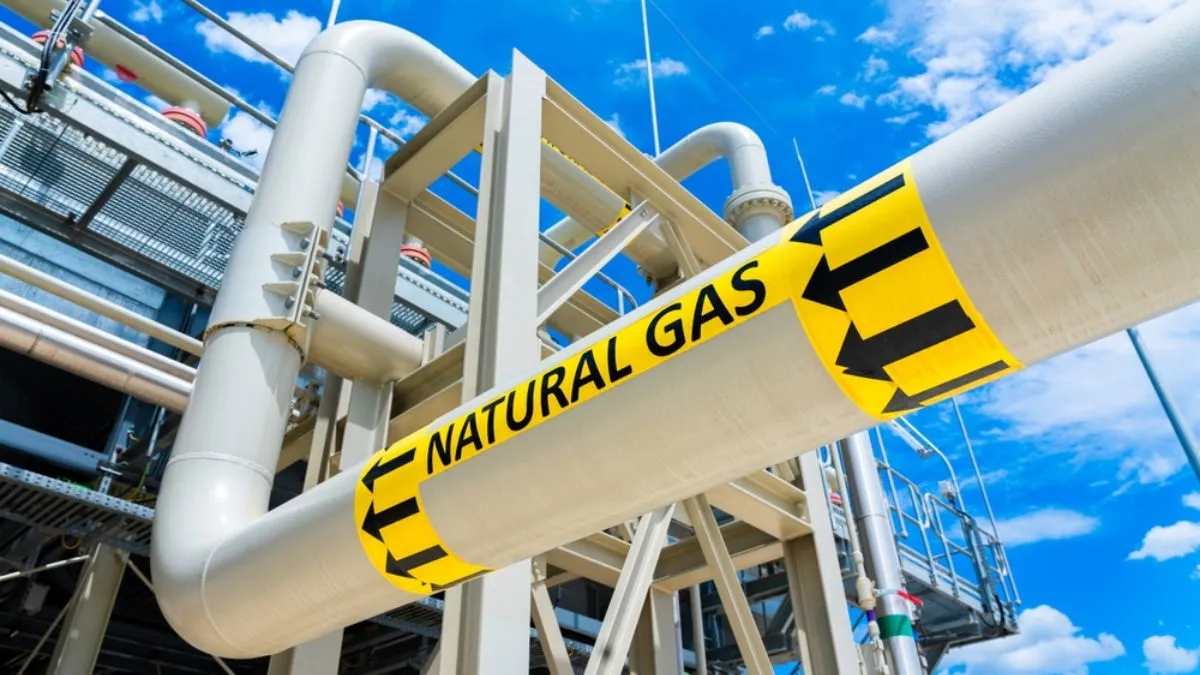
Natural Gas is a fossil fuel and a non-renewable energy source, which is formed from ancient organic matter, primarily composed of methane (CH4). As the global energy landscape shifts toward lower-carbon alternatives to coal, natural gas has emerged as a cornerstone of the modern power grid. It is efficient, versatile, and powers everything from massive industrial plants to the stove in your kitchen. Across the world, many countries have evolved to produce natural gas. But with global energy security at the forefront of international policy in 2026, do you know which country is the largest producer of natural gas in the world? In this article, we analyse the latest data from Global Firepower to identify the largest producer of Natural Gas in the World. Let’s dive into the data to find out.
Also Read: List of Top 10 Countries Producing Natural Gas In Billion Cubic Metres
Which Country Is the Largest Producer of Natural Gas in the World?
The United States is the country which is the largest producer of natural gas in the world, with around 1,029,000,000,000 Annual Production Volume (Cu.M). The U.S. has maintained a commanding lead for over a decade, largely fueled by the "Shale Revolution." By leveraging advanced horizontal drilling and hydraulic fracturing (fracking) in regions like the Permian Basin and the Marcellus Shale, the United States currently produces over 1 trillion cubic meters of natural gas annually.
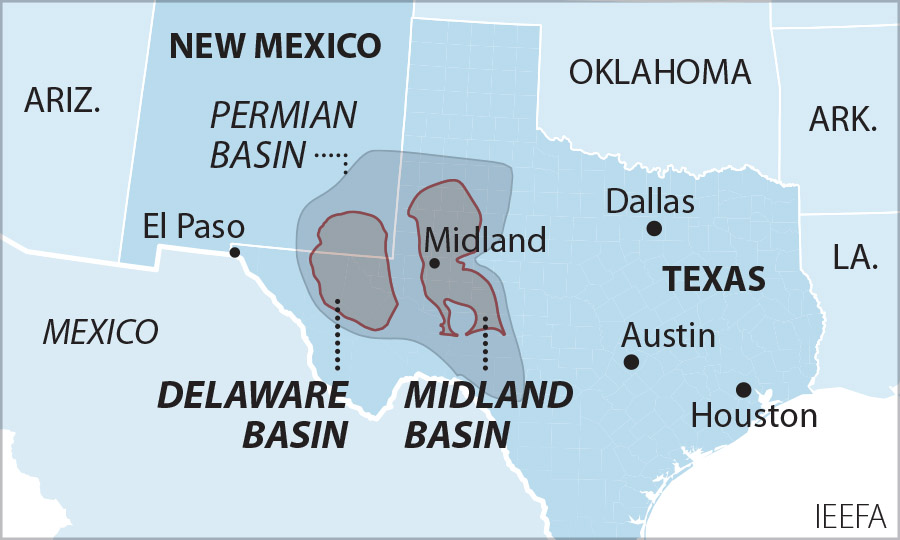
Source: ieefa
According to data from Global Firepower and recent 2026 energy outlooks, the U.S. accounts for nearly 25% of the total global supply. It is not just a production giant; it has also become the world's leading exporter of Liquefied Natural Gas (LNG), providing a critical energy lifeline to markets in Europe and Asia.
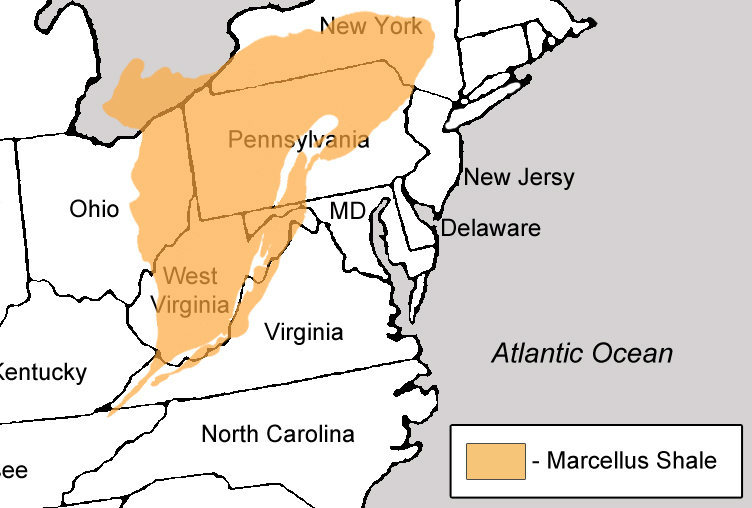
Source: universalroyaltyco
The top five natural gas-producing states of U.S. is a total U.S. natural gas production in 2023 were:
-
Texas—9.75 Tcf—25.8%
-
Pennsylvania—7.49 Tcf—19.8%
-
Louisiana—4.30 Tcf—11.4%
-
West Virginia—2.90 Tcf—7.7%
-
New Mexico—2.89 Tcf—7.6%
Top Natural Gas Producing Countries in the World
While the U.S. holds the crown, a handful of other nations control the vast majority of the world's reserves and output. The following table represents the top producers based on the latest reports from Global Firepower and the EIA:
| Rank | Country | Annual Production Volume (Cu.M) | Global Market Share |
| 1 | United States | 1,029,000,000,000 | ~25% |
| 2 | Russia | 617,830,000,000 | ~17% |
| 3 | Iran | 263,280,000,000 | ~6% |
| 4 | China | 225,341,000,000 | ~5% |
| 5 | Canada | 187,686,000,000 | ~4.5% |
Source: Global Firepower Natural Gas Production
Also Read: Where Is The World's Largest Natural Gas Field?
Natural Gas Production in India
In India, natural gas production is a key pillar of the government's "Gas-Based Economy" vision. Production is centred in offshore fields like the Krishna-Godavari (KG) Basin and onshore regions in Assam and Gujarat. Major players like ONGC and Reliance Industries have significantly ramped up domestic output to reduce import dependency. Despite this growth, India remains a massive importer of LNG to satisfy its industrial appetite and the expansion of City Gas Distribution (CGD) networks, which bring piped natural gas (PNG) directly to households.
How is Natural Gas Produced?
Natural gas isn't just "found"—it requires sophisticated engineering to bring it to the surface:
1. Exploration & Drilling: Geologists use seismic surveys to find gas trapped in rock formations deep underground. Wells are then drilled thousands of feet down.
2. Extraction: In "conventional" reservoirs, the gas flows easily. In "unconventional" shale, horizontal drilling and fracking are used to release the gas from tight rock.
3. Processing: Raw gas is sent to a processing plant to remove impurities (like water and CO2) and separate "Natural Gas Liquids" (NGLs) like propane and butane.
4. Liquefaction (Optional): To ship gas across oceans, it is cooled to -162°C (-260°F), turning it into LNG, which occupies 600 times less space than its gaseous form.
Also Read: List of Top Natural Gas Reserves by Country: Check Name and World Share
Uses of Natural Gas in Daily Life
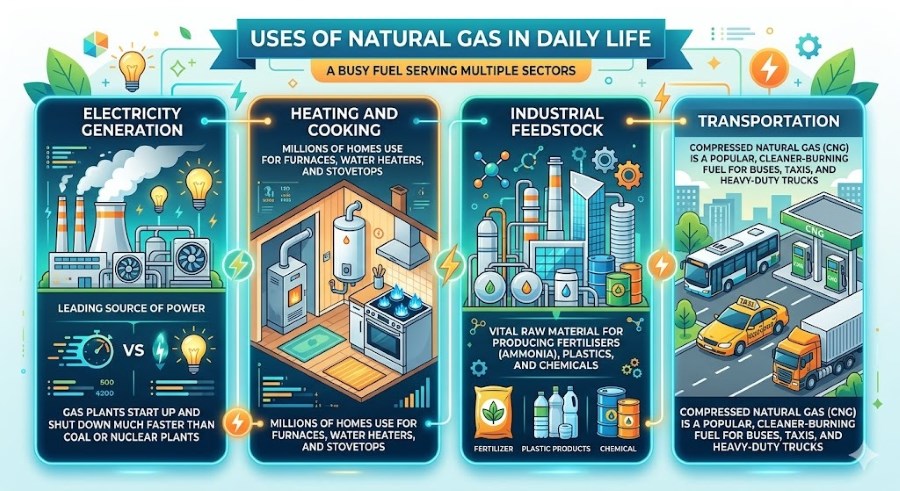
Sourc: AI Generated
Natural gas is an incredibly "busy" fuel, serving multiple sectors:
-
Electricity Generation: It is the leading source of power in many developed nations because gas plants can start up and shut down much faster than coal or nuclear plants.
-
Heating and Cooking: Millions of homes use natural gas for furnaces, water heaters, and stovetops.
-
Industrial Feedstock: It is a vital raw material for producing fertilisers (ammonia), plastics, and chemicals.
-
Transportation: Compressed Natural Gas (CNG) is a popular, cleaner-burning fuel for buses, taxis, and heavy-duty trucks.
Interesting Facts About Natural Gas
-
The "Rotten Egg" Smell: Like LPG, natural gas is naturally odorless and colorless. Utility companies add mercaptan to give it that distinct smell so you can detect a leak instantly.
-
The "Blue" Bridge: It is often called a "bridge fuel" because it emits significantly less CO2 than coal, helping nations transition toward renewable energy.
-
Deep Storage: Natural gas can be stored underground in depleted oil reservoirs or salt caverns to ensure there is enough supply during peak winter months.
-
Lighter Than Air: Unlike LPG, which settles on the ground, natural gas is lighter than air and will dissipate upward if a leak occurs in an open area.
The United States remains the undisputed leader in natural gas production as of 2026, a position that has fundamentally reshaped global trade and energy geopolitics. However, with nations like Qatar and Russia expanding their LNG infrastructure, the race for energy dominance is far from over. Understanding who controls the flow of natural gas is essential for grasping the future of global heating, electricity, and economic power.

Prabhat Mishra is a Subject Matter Expert and digital journalist with an extensive background in the competitive exam landscape and over 4 years of experience in education, national and international news, and current affairs. Over his tenure with top knowledge platforms like Mentorship India, IAS BABA, IAS SARTHI, and now Jagran Josh, he has a deep understanding of government exams like UPSC and State PCS, including UP and Bihar, as he has already qualified for the UPPCS 2022 Mains and Bihar 68th Mains. With his core expertise in history, polity, geography & current affairs, he specialises in creating well-researched, aspirant-centric content and simplifying complex topics for competitive examinations.





![[LIVE] GDS 1st Merit List 2026: इंडिया पोस्ट जीडीएस पहली मेरिट लिस्ट Link जल्द, रिजल्ट PDF में ऐसे चेक करें अपना नाम](https://img.jagranjosh.com/images/2026/October/11102026/GDS-Merit-List-2026.jpg)