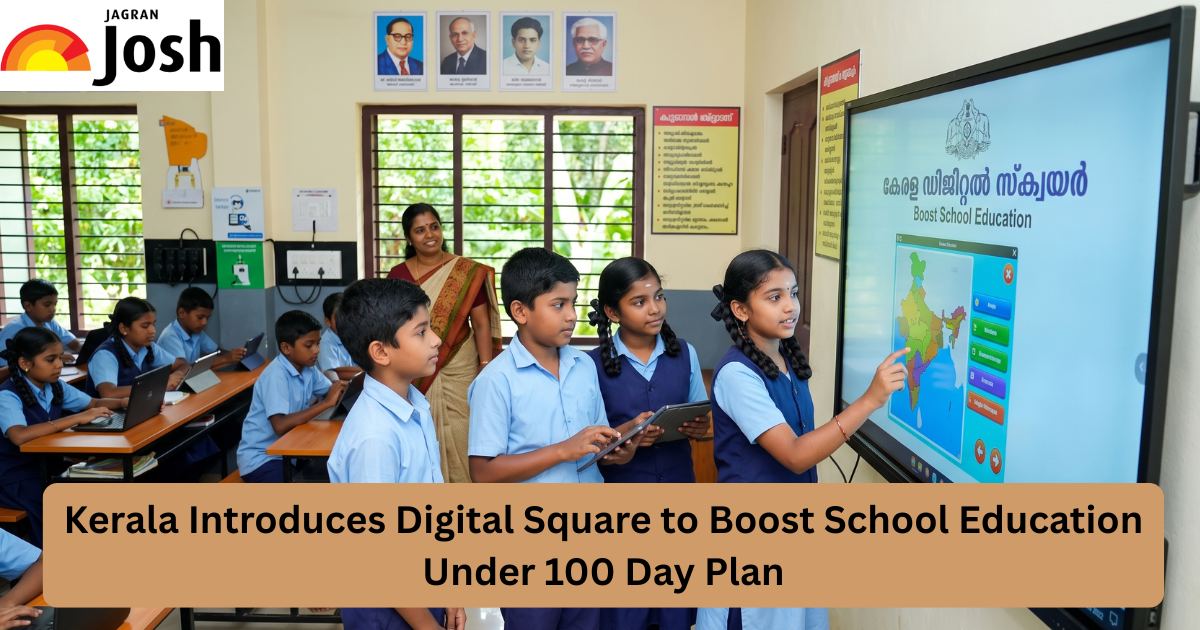
Kerala has launched a new education programme called Digital Square to bring technology into primary school classrooms in a simple and useful way. The initiative was introduced by Kerala Infrastructure and Technology for Education also known as KITE. It is part of the state government's 100 day action plan for the education sector. The programme was inaugurated by General Education Minister N Samsudeen during a statewide orientation workshop in Malappuram. More than 4000 headmistresses from schools in all 14 districts joined the event through an interactive video conference. The main aim of digital square is to improve digital learning among young students and help them use technology with confidence from an early stage. Read the article to know more details.
What Digital Square Will Bring to Classrooms
Under this scheme government and aided primary schools that already have the needed hardware will receive a special software package. This package is built on Free and Open Source software which means schools can use quality digital tools without depending on costly commercial products. The software includes learning and creative applications such as GCompris for education, e-Cube for language and tools for music, digital painting and animation. It will also introduce children to ideas like animation, visual effects, gaming and comics from the primary level. KITE CEO K. Anvar Sadath said the package also includes digital safeguards and filtering tools to make the learning environment safer for young learners.
Why This Step Matters for Students and Schools
Digital Square is not only about using computers in class. It is also meant to build self learning, creativity and a fun style of education through gamified learning. The programme has been designed to create an inclusive learning space for all children. It includes accessibility features such as audio support for visually impaired students and high contrast options for Children with Special Needs. Along with Digital Square Kerala has also launched other key education initiatives. These include Cyber Safety Protocol 2026 which asks schools to form cyber safety committees to protect students from AI related risks and online threats. The state has also introduced Tharapadham to track learning outcomes and attendance and School Wiki-thon to strengthen local knowledge sharing. In addition the government plans to expand Little KITEs IT clubs to upper primary schools so students can build digital skills even earlier.