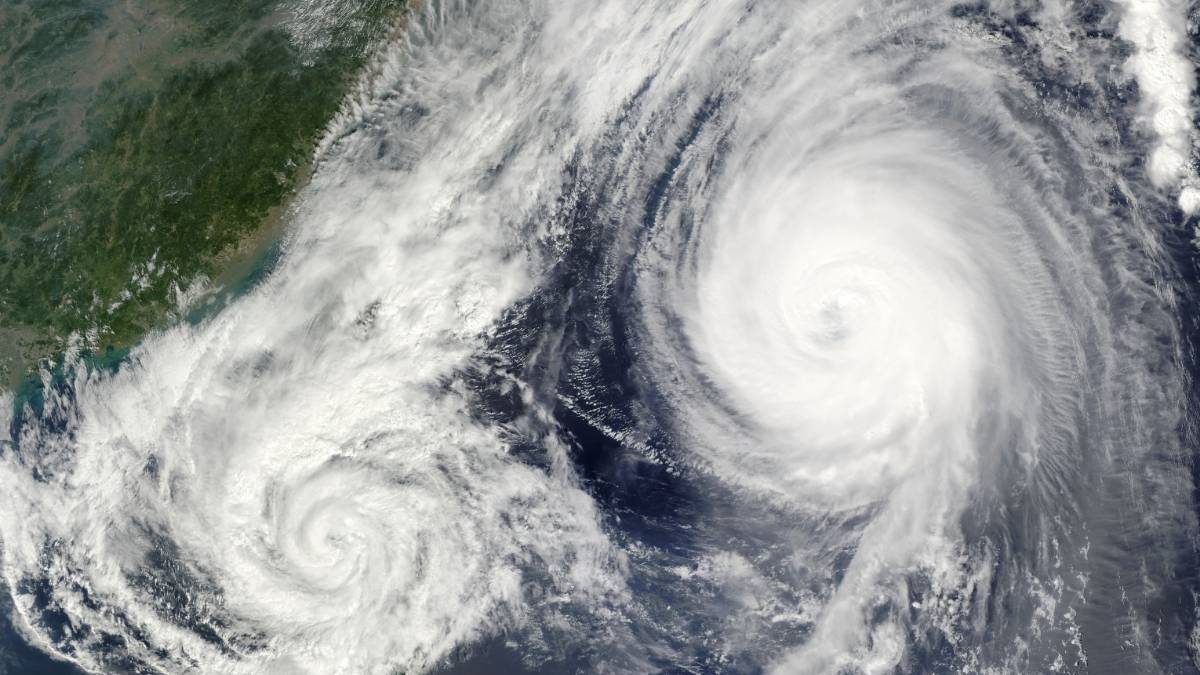
Big storms thousands of miles away in the Pacific Ocean are disrupting rain patterns across India. When powerful typhoons form near Japan or the South China Sea they pull moist air away from South Asia. The El Niño effect at the same time warms up the central Pacific Ocean.
The India Meteorological Department (IMD) monitors these distant changes due to their direct impact on monsoon in India.
They weaken the storm clouds that normally accumulate over the Bay of Bengal. And Pacific typhoons paired with El Niño mean extended dry spells during the rainy season. The dry spell hurt farmers when their crops need consistent water.
Let’s learn more about how Indian Monsoon is getting affected by these strongest El Niño conditions since 1877 hereonwards.
How Pacific Storms Pull Monsoon Winds Away from India
Strong typhoons in the Pacific Ocean act like giant vacuum cleaners. They draw in moisture from hundreds of miles around to feed their own cloud walls.
They start trapping monsoon winds coming across the equator as and when these tropical storms start to form.
So instead of heading toward the Bay of Bengal and mainland India that wet air gets pulled eastward into the Pacific Ocean.
The low pressure rain systems without that moisture laden winds fail to build up across northern states in India.
Related Stories
-
Pacific typhoons bend seasonal wind paths. In a way they steal rain clouds meant for Indian states.
Weeks pass without low pressure rain systems forming in the Bay of Bengal during monsoon.
The monsoon cannot get back on track until those Pacific storms weaken and dissipate.
How El Niño and Pacific Storms Hurt Local Crop Belts in India
El Niño happens when surface waters in the central and eastern Pacific become unusually warm. This shifts regular air currents, changes the rainfall predictability around the globe.
India mainly gets hit from two sides when El Niño occurs during a year with heavy typhoon activity.
The warming of oceans weakens normal monsoon winds. And the typhoons steal whatever moisture remains.
|
Weather Event
|
Where It Happens
|
Main Effect on Indian Rain
|
|
El Niño
|
Central and Eastern Pacific Ocean
|
Slows down monsoon winds and cuts total seasonal rainfall
|
|
Pacific Typhoons
|
Western Pacific Ocean
|
Pulls wet air eastward and delays Bay of Bengal rain systems
|
|
Indian Ocean Dipole
|
Indian Ocean
|
Warm water near Africa can sometimes help offset monsoon rain losses
|
Key Weather Concepts for Exams and Daily Life
If you are a student preparing for general knowledge tests then take note of these three climate factors in mind to understand the impact of warm Pacific Ocean and El Niño on rainfall in India a little better:
-
Walker Circulation: A large loop of rising and sinking air across the Pacific. El Niño weakens this loop and dries out parts of Asia.
-
Bay of Bengal Depressions: Low pressure storm spots that carry rain inland to central and northern Indian farms.
-
Monsoon Break: A period of several days or weeks during the rainy season when precipitation stops almost entirely.
When Pacific typhoons pull air away and El Niño dries out trade winds India's monsoon loses its main sources of strength. These two events show how connected global weather really is.